
Private equity is no longer a category call
MLC’s Rachael Lockyer says private equity outcomes now depend far more on manager selection than broad asset allocation.


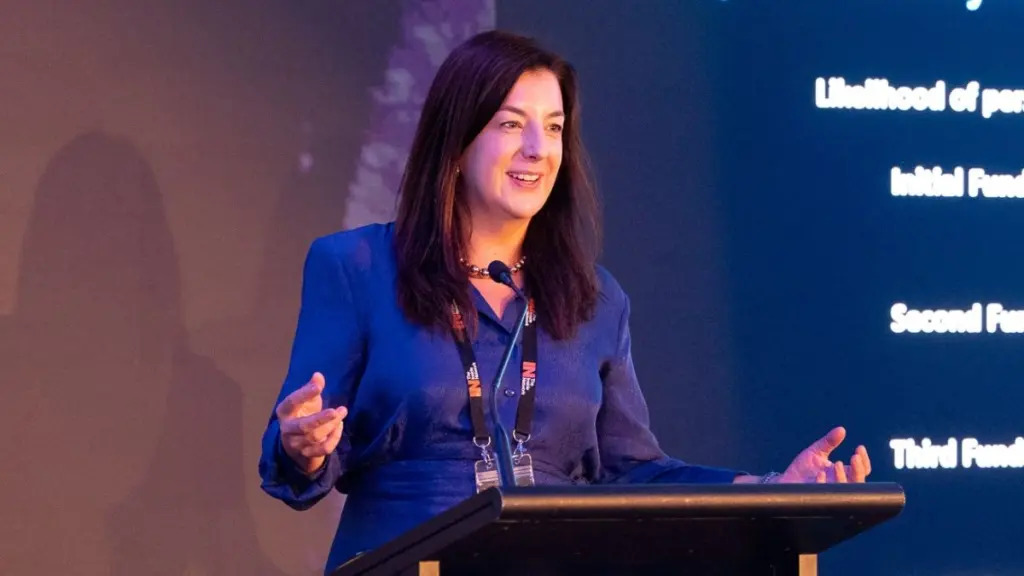
MLC’s Rachael Lockyer says private equity outcomes now depend far more on manager selection than broad asset allocation.
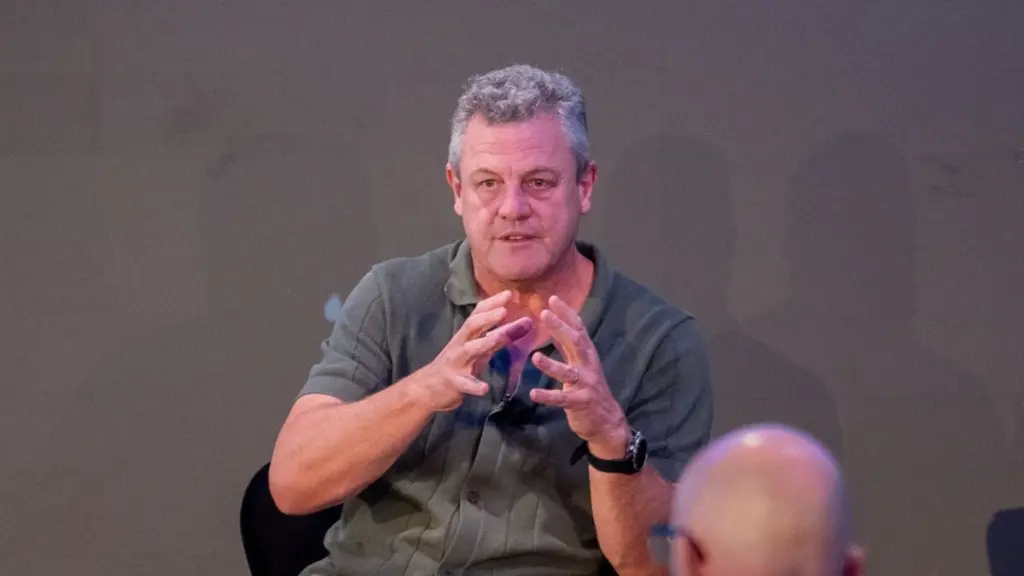
StepStone’s Phil Cummins says technology’s biggest value creation is increasingly happening in private markets, and that has major implications for how investors think about equity exposure.
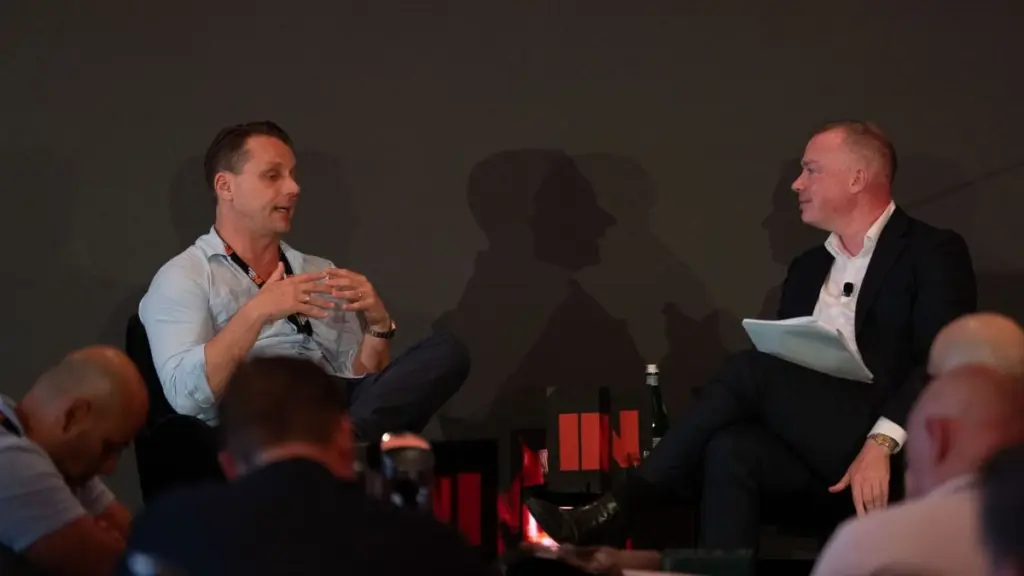
Roc Partners’ Michael Lukin says the real opportunity sits in overlooked businesses, not crowded markets.
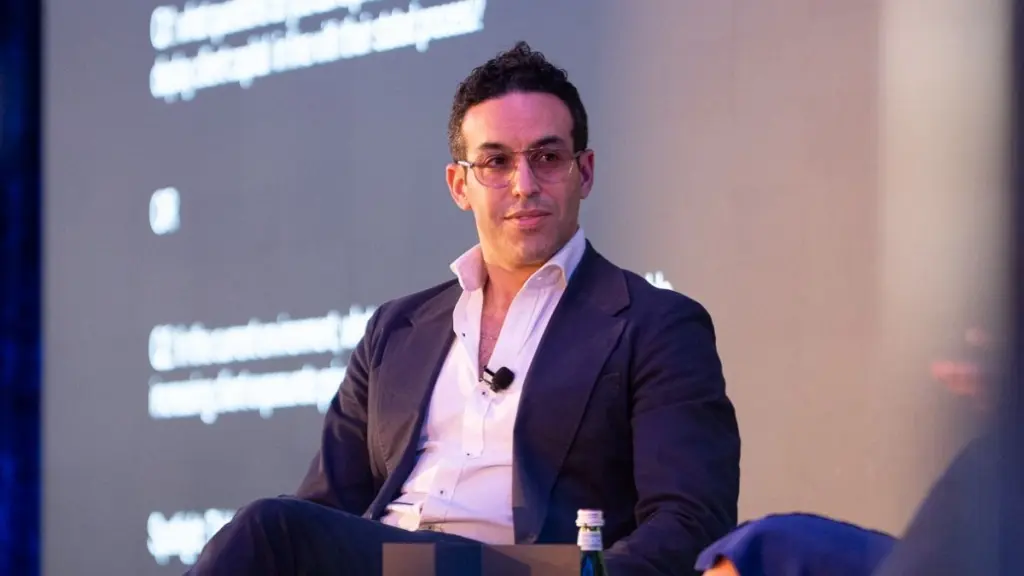
Alceon’s Zac Midalia says the next winners in private equity will combine traditional dealmaking with AI-led operational change.

For David Chan, portfolio manager at MLC Asset Management, the challenge in private equity goes beyond picking assets, it’s about mastering governance, portfolio construction, and alignment to capture true alpha.
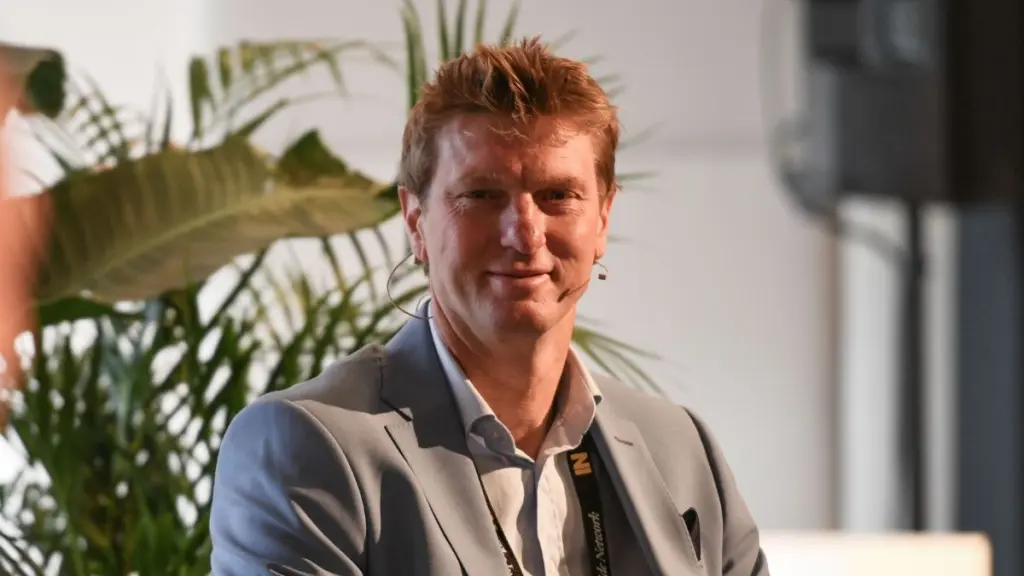
With 60,000 small‑cap businesses and little institutional competition, Fortitude sees the lower mid‑market as private equity’s true growth frontier.

Explore how a quiet revolution in private equity valuations, exits and discounts is reshaping risk, liquidity and opportunity in client portfolios.

Alternative investments have well and truly left the fringes of the investment world and settled into the mainstream. But what exactly are they?

With an abundant opportunity set, less competition for deals, lower entry prices, wide exit windows and the potential for higher exit prices – what’s not to like about lower mid-market private equity?
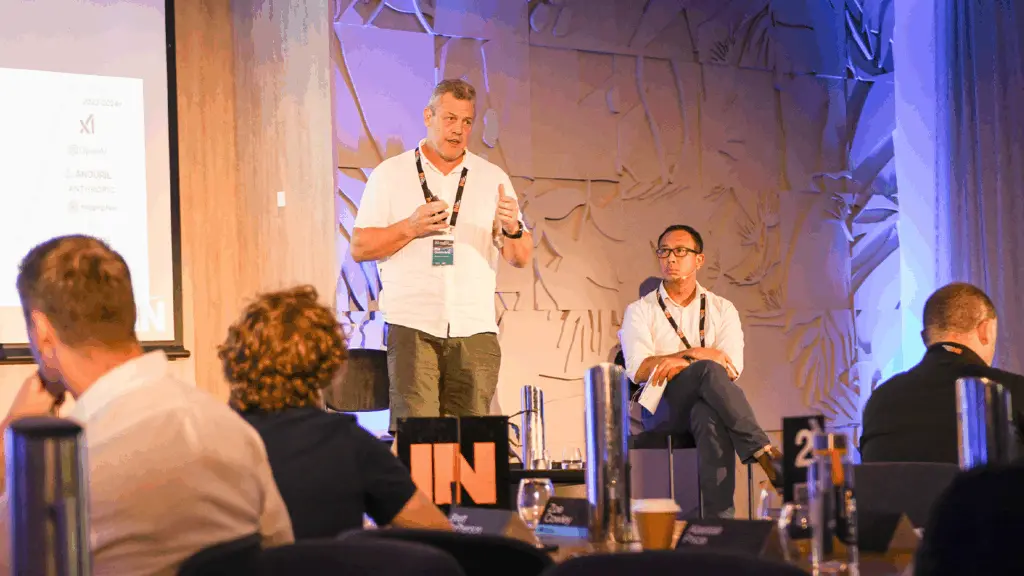
The conversation on venture capital at the Investment Leaders Forum held at Crystalbrook in Byron Bay pulled no punches. StepStone Group’s Phillip Cummins and LGT Crestone’s Kevin Wan Lum offered delegates a rare window into how venture capital is evolving — and why access, diversification and discipline matter more than ever.
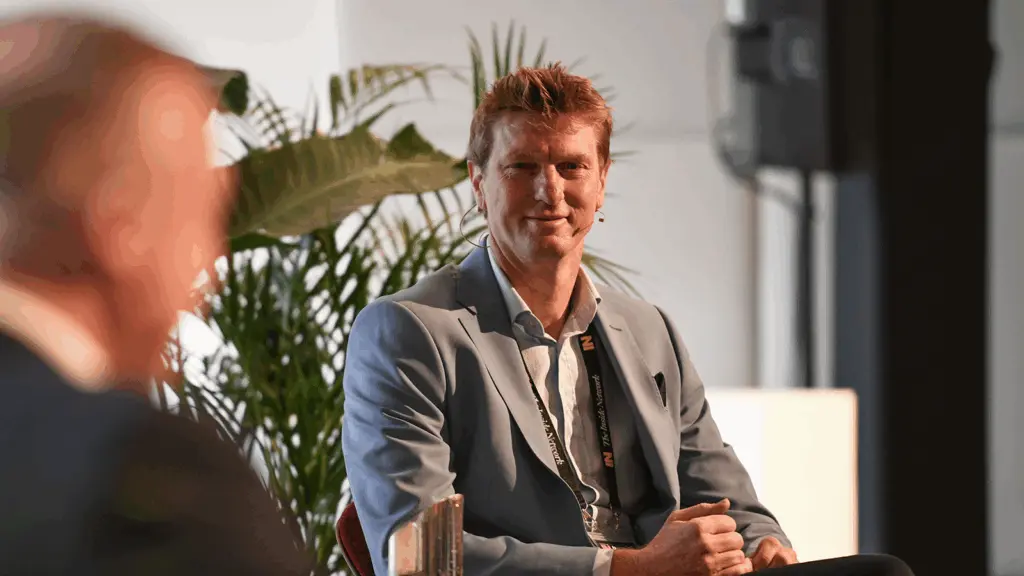
Nick Miller prefers swimming with the tide. He definitely realised this when swimming around Hong Kong Island as part of a six-person relay team that set a world record for that feat; but in practice, it guides his private equity (PE) investment philosophy.

Australian investors have poured money into private equity (PE) investments in recent years, but asset valuations are prone to the same combination of multiple and margin compression, and interest-rate pressure, that affects the listed markets. A big chunk of the pile of PE value is potentially facing high fire risk.
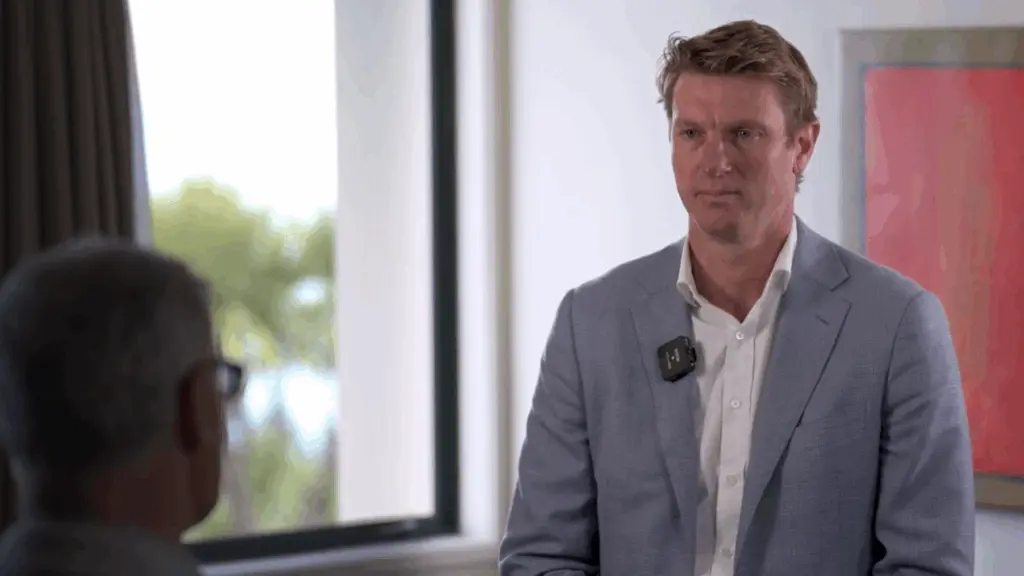
What the Brisbane-based lower-mid tier private equity group is pulling off is emblematic of the success private equity players are enjoying in recent times. But each PE player has their own unique strategy that largely defines just how well they’re doing.
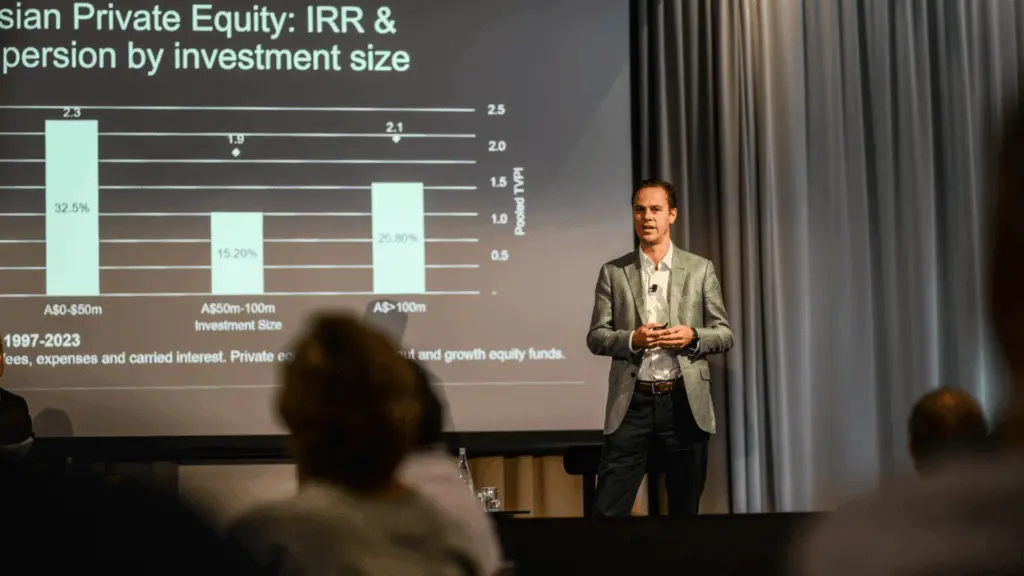
Companies are eschewing publicly listed markets in favour of private ownership, which has warped the availability of information to investors. For those with access, the advantage is heightened in certain sectors.
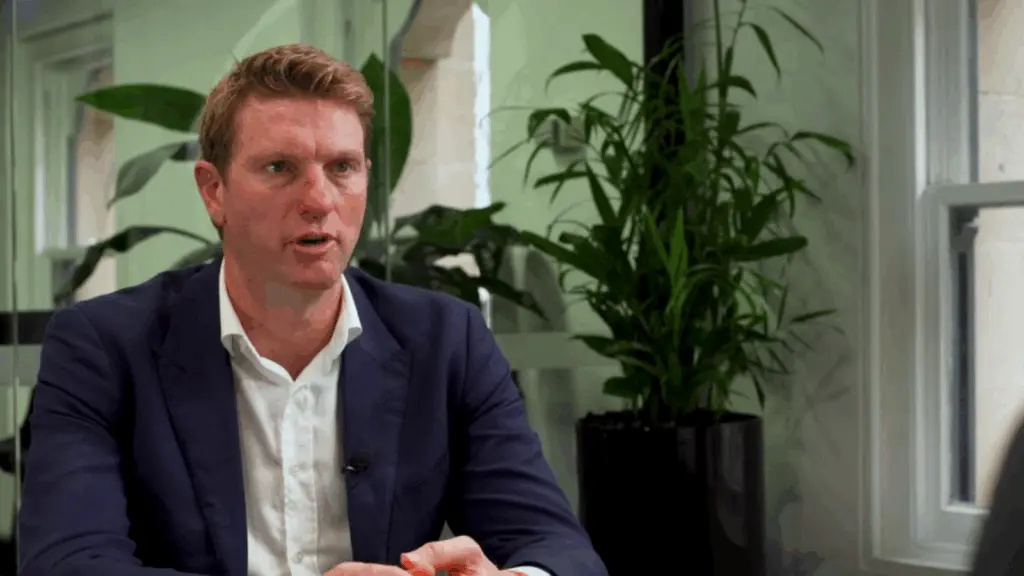
The phenomenal growth of private equity’s big players has left a yawning gap in the lower-mid market, which enterprising players like Fortitude Investment Partners are all-too keen to step in to and take advantage of.
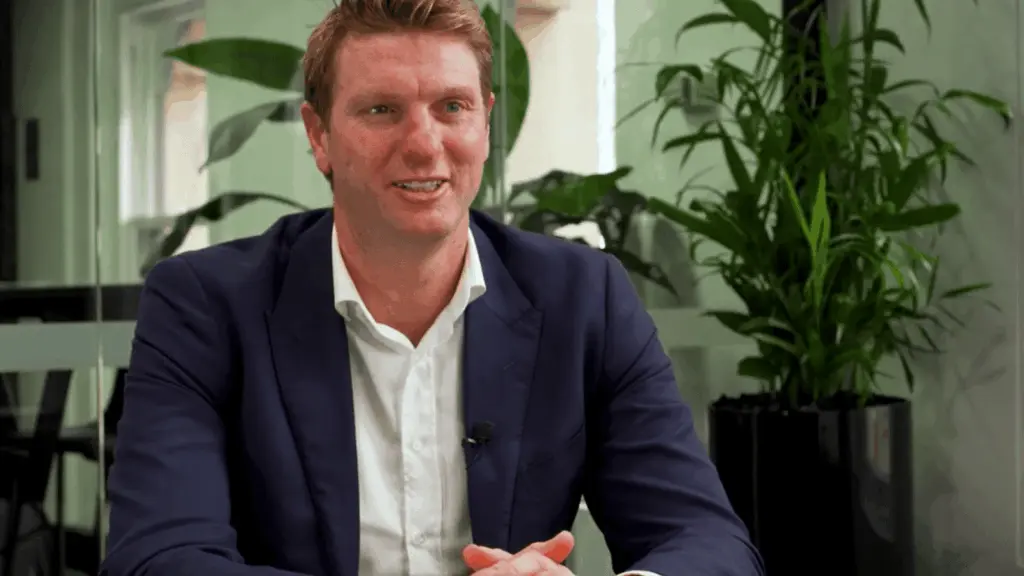
The Brisbane-based private equity team has made a point of seeking out investee companies that are well equipped to handle a slow-motion recovery in the domestic economy.

The Brisbane-based private equity team is backing the further expansion of its New Zealand-based Action Adventures, which has just made its second US company acquisition.

“There are a range of different ways to invest in the energy transition thematic,” Fortitude explains, adding that the opportunities on the periphery often present the greatest value.
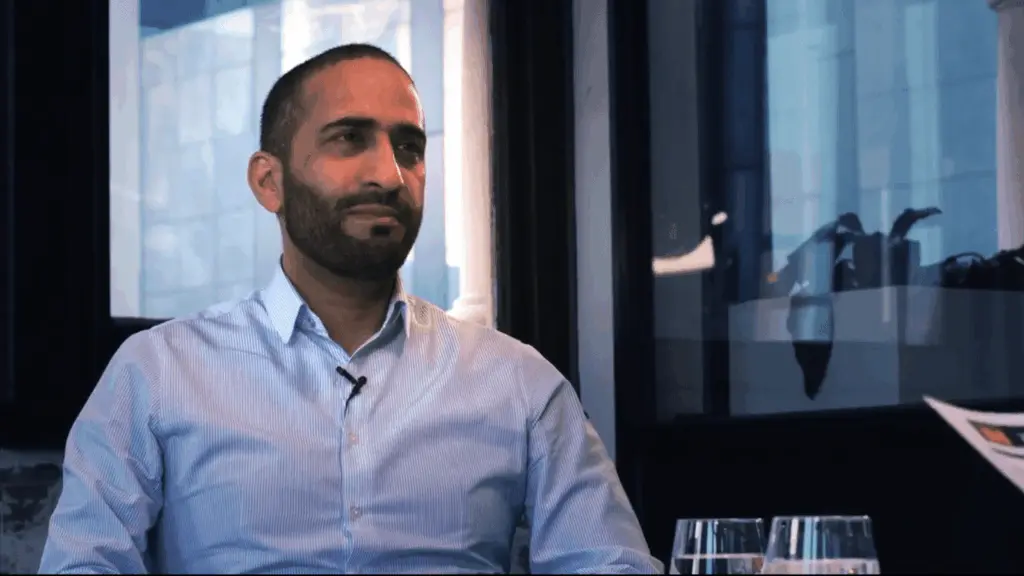
Cashed-up baby boomers in the market for yield are finding that it’s increasingly being delivered by non-listed assets with a palatable risk profile. And that’s not the only tailwind behind the burgeoning sector.

The NZ science and technology investors are onto their fourth fund, which is shaping up as their biggest yet. Savvy investment and active ownership have been key ingredients so far, along with support from the NZ government.