
Property recovery is underway yet healthcare is still catching up
Healthcare property’s entry point is closing. Barwon’s Tom Patrick says the next 18 months are the ones that matter



Healthcare property’s entry point is closing. Barwon’s Tom Patrick says the next 18 months are the ones that matter

As alternatives move further into client portfolios, platforms are being asked to solve research, execution and transparency challenges.

As alternatives move further into client portfolios, advisers need to understand the structure, liquidity and governance behind each strategy.

Many portfolios feel diversified but aren’t, and the hidden cost of that comfort only reveals itself in the next market shock.

A major transition is underway from “broken” buyout models towards growth capital with lower deal sizes and longer terms.

The private credit asset class recently been garnering a good deal of press coverage, potentially causing concern for investors who are trying to determine how — and where — to invest. Here, we explore Thinktank, its history and operations to help investors understand what our fund provides in an evolving and often complex space.

Private credit may be booming, but according to Joe Unwin, head of portfolio management at Apostle Funds Management, the volume of capital flooding into the asset class is becoming a problem. Speaking at the Investment Leaders Forum in Byron Bay, Unwin warned that not all growth is healthy—and not all yield is worth chasing.

Many Australian investors continue to focus on income-generating investments. However, with ongoing market volatility, it’s worth thinking carefully about the way that you allocate to income-generating investments in a portfolio.

Nick Miller prefers swimming with the tide. He definitely realised this when swimming around Hong Kong Island as part of a six-person relay team that set a world record for that feat; but in practice, it guides his private equity (PE) investment philosophy.

If the holy grail of investing lies in the concept of non-correlated return streams with which to build truly diversified portfolios, insurance-linked securities (ILS) should emerge as one of the options for investors; but they are still not well-understood. That was the message that John Wells, co-founder and chairman of London-based Leadenhall Capital Partners, had for The Inside Network’s recent Alternatives Symposium.

With private credit garnering plenty of media attention lately, it’s important for investors to understand the underlying variations across this asset class. Lauren Ryan from non-bank lender Thinktank discusses some key points about private credit funds and how they work, as well as some key differences between them.

Private markets is clearly a rapidly growing part of the investment ecosystem, with the Australian Securities and Investments Commission (ASIC) recently citing data showing global private capital assets under management (AUM) having tripled over the past decade, to reach an estimated US$14.6 trillion ($23.2 trillion).
And within that, infrastructure is the asset class that is streeting all others in terms of growth, driven by a colossal and multi-pronged funding task.

The Australian image of the taciturn farmer, hard at work completely out of the spotlight, carrying a large part of the nation’s gross domestic product (GDP) on the shoulders of resilient rural families, has a similar feel to the investment performance of the land on which they work. Agricultural land is the quiet achiever of the Australian investment landscape.

In an evolving investment landscape, alternative assets are no longer a fringe consideration—they have become an essential component of a well-structured portfolio. Advisers are increasingly looking beyond traditional equities and fixed income to seek diversification, uncorrelated returns, and improved resilience.

Thematic investing has long been a source of fascination for investors, offering the promise of outsized returns driven by major structural shifts. Yet, as three seasoned professionals—Jamie Nemtsas of Wattle Partners, Will Hamilton of Hamilton Wealth Partners, and Peter Johansson of JCE Advisory—discussed, the reality is far more complex.
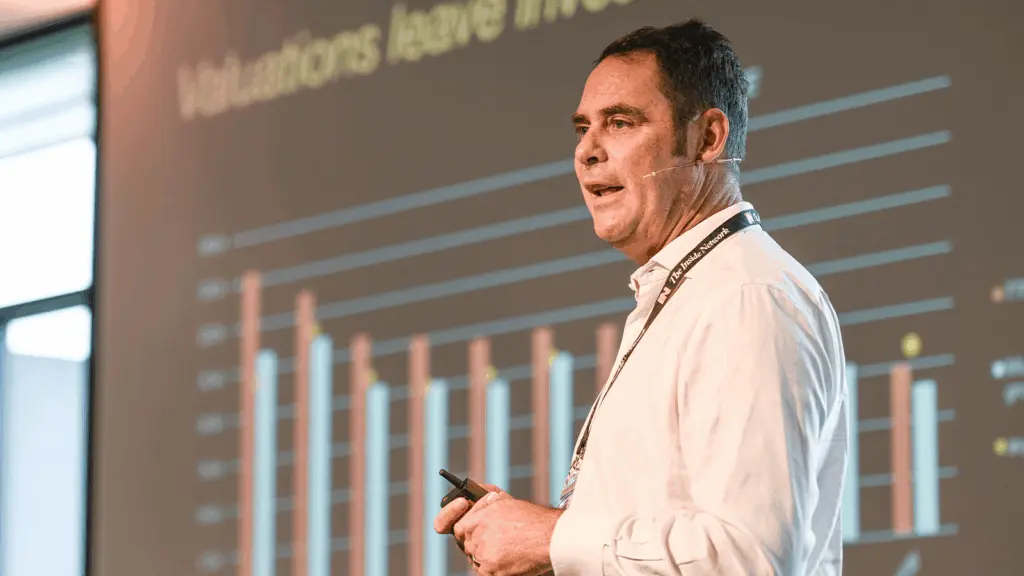
Equity markets continue to defy expectations, but investors face mounting risks as valuations stretch to historical extremes. Hugh Selby-Smith, co-CIO of Talaria Capital, recently presented his insights at The Inside Network’s Alternatives Symposium, warning that today’s market environment demands a critical reassessment of diversification strategies.
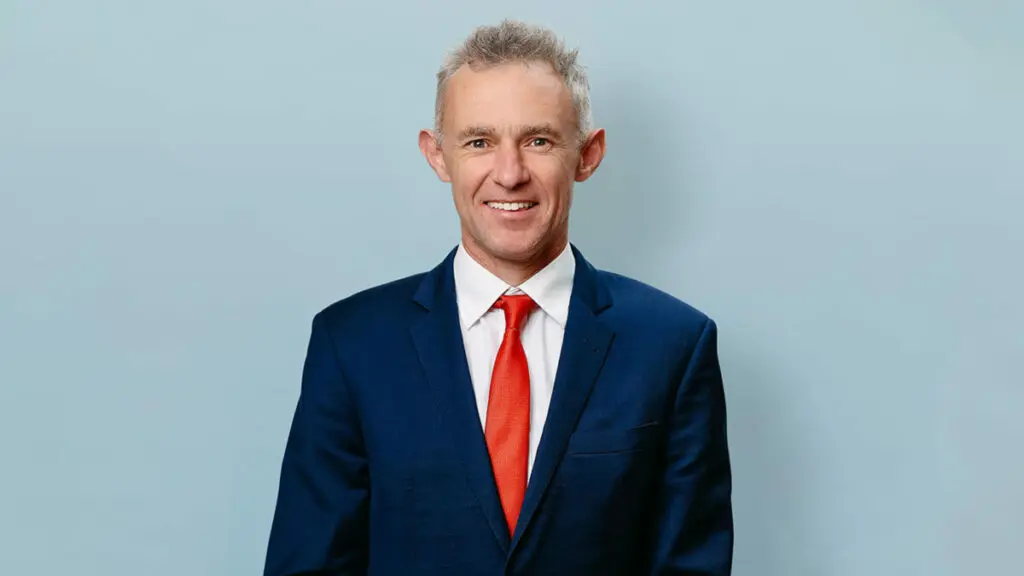
Institutional investors have increasingly turned to alternative assets as a means of improving portfolio resilience, managing risk, and capitalising on opportunities unavailable in public markets. Australian Retirement Trust (ART) has been a key participant in this shift, developing a strategic approach to investing in unlisted assets that balances risk and opportunity.

The world of alternative investments is at a crossroads. As markets defy expectations and liquidity concerns take centre stage, investors find themselves forced to rethink how they deploy capital in an increasingly complex environment.

Bringing together our insiders community to share perspectives, debate strategies, and refine their approach to portfolio construction is always an enlightening exercise.

Private credit investing has seen exponential growth in recent years, fueled by structural shifts in financial markets and a growing demand for flexible, non-bank lending solutions. Private credit is no longer a niche – it’s a major force in the market.