
Alternatives research gets harder as private markets open up
As alternatives move further into client portfolios, advisers need to understand the structure, liquidity and governance behind each strategy.



As alternatives move further into client portfolios, advisers need to understand the structure, liquidity and governance behind each strategy.

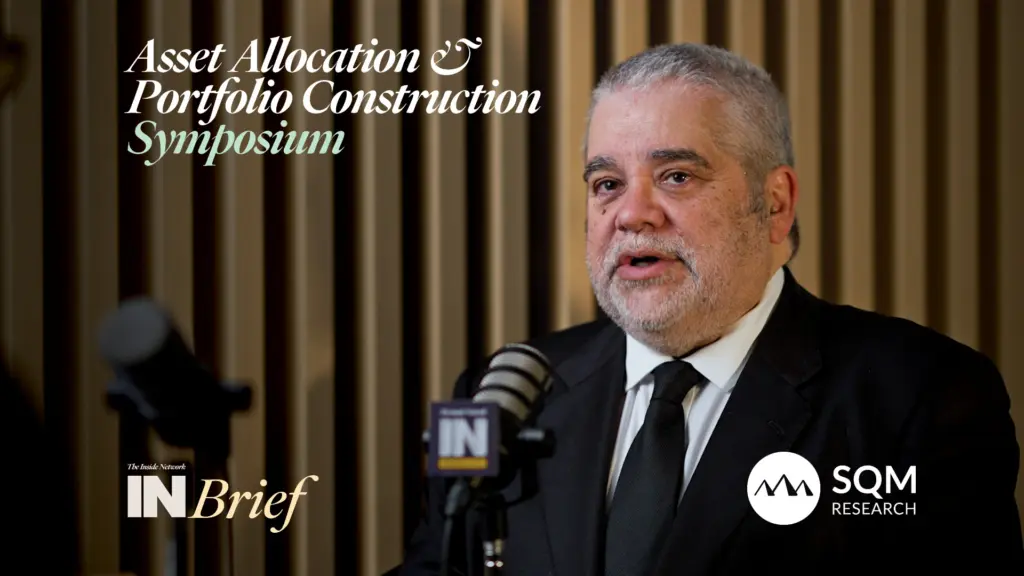
The landscape for alternative investments in Australia is expanding rapidly, and with it comes both opportunity and complexity, says research house SQM.
It will be brief, geographically limited and may not come at all, but if SQM Research’s prognostications are again correct there may be reason for aspiring property buyers to smile early next year.

Why Powell went for a double-dip on the guide rate at the world’s most important reserve bank, sans the presence of a significant economic event that would typically predicate it, remains a mystery. What is clear, though, is the near-term direction of rates in US.

If managers present a fund that has a convoluted structure and can’t be described with clarity and transparency, what hope does an adviser have in then explaining it to their clients?
It’s an unlikely source of good news: property vacancy rates are up and rental asking rates have softened slightly. But SQM’s Louis Christopher warns against interpreting the change as a sign that the rental crisis has turned.
All major cities had an increase in national property listings during the month of February, but when you pan out and look at the YoY figure, some eye-popping trends emerge.

The nation’s rental crisis is deepening, with available dwellings across major cities at just one per cent and the asking price for rents reaching eye-watering levels. According to SQM, seasonal factors are also coming into play.

After a minor blip in 2022 residential property prices are once again soaring to new heights, driven largely by the asking price for houses in major capital cities. But not all is gold for sellers in the country.

It may not be a boom, but the marked increase in new listings, total listings and aggregate asking price for properties across the country in September reflects a healthy spring market according to the researcher.

As the impacts of rising interest rates continue flowing through the economy, credit remains one of the most reliable and attractive ways to add defensiveness to a portfolio, strategists from SQM Research and ICG told a recent Inside Network symposium.

Rate hikes are causing anxiety for Australian mortgage holders, with new research showing seven out of 10 worry about missing repayments. As large numbers of fixed-rate mortgages expire, analysts say distressed property selling is likely to pick up from its thus-far benign levels.

The domestic economy is reaching a tipping point, says SQM Research’s Louis Christopher, with the property market only a step behind. Valuation increases across the country are set to be wound back as unemployment and falls from the fixed rate cliff lead to forced sales.

The company has expanded its managed fund and property research offering to include an ASX top 200 listed companies ratings service for the Australian financial advice community.

Sydney-based advice and technology group Sequoia Financial Group has forged a strategic partnership with ratings agency SQM Research in a high-profile vote of confidence for the provider.

The current economic cycle is too changeable to set any portfolio to autopilot, according to Mason Stevens’ Jacqueline Fernley. Counterpoints to conviction are needed, and the devil’s advocate should be your friend.

Economists agree the outlook for house prices in 2023 is largely dependent on upcoming interest rate decisions by the Reserve Bank of Australia, and signs of weakness are already appearing. Complicating matters further, borrowers face an impending fixed-rate cliff.

As interest rates creep north, advisers extoll the virtue of investing away from the family home and into a diversified suite of assets.