Australian small-caps: Benchmarks, fees and a quant’s playground
At the recent Investment Leaders Forum, Scott Bennett brought data, deadpan wit, and a surprisingly sharp message for anyone paying passive fees in small caps.


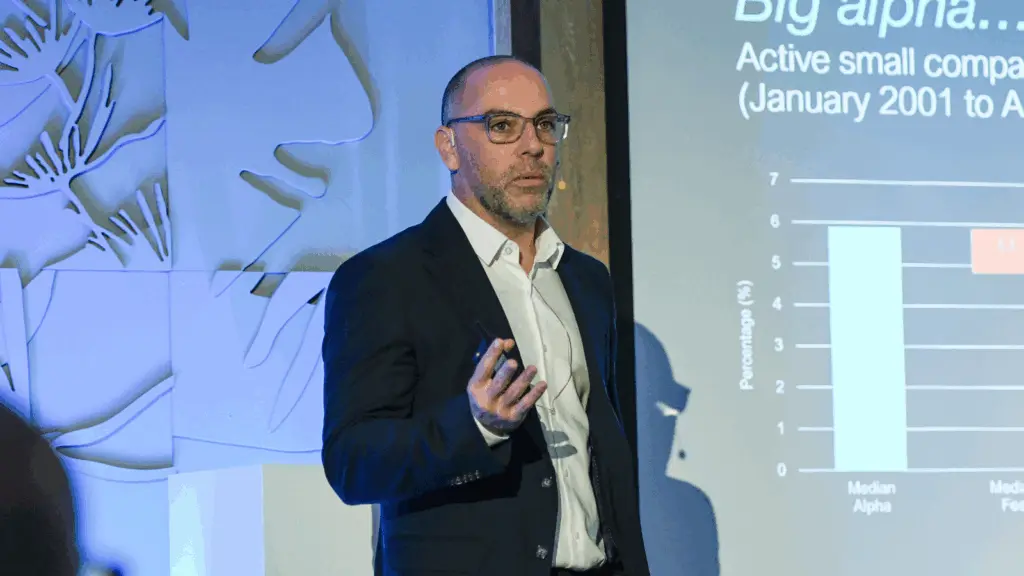
At the recent Investment Leaders Forum, Scott Bennett brought data, deadpan wit, and a surprisingly sharp message for anyone paying passive fees in small caps.

The first quarter of 2025 was a challenging one for US equities, but Francis Gannon from Royce Investment Partners, part of Franklin Templeton group of companies, says the conditions for small-caps to flourish may be forming.

The rise of passive investment makes tremendous sense, especially when the index being tracked is on the large cap side. Move down the index, however, and it can pay to have someone sorting out the winners from the losers.

The small-cap space can be rife with risk, as emotion and understanding wrestle with common sense practice. But with a systematic style overlaid to provide flexibility, diversification and liquidity, the benefits become clear.

The historic outperformance of big tech stocks in the US may look like a global outlier, but many developed markets (including ours) have high levels of concentration risk. That may not be the case for long, with a likely softening interest rate environment set to re-order indexes around the world.

Toohey notes that on top of softening inflation, small caps will also be buoyed by enhanced consumer sentiment and a better lending environment. “The sector now looks extremely attractive,” he says.

Small caps are coming back from a tough year, while opportunities abound in the IPO market and founder-led businesses according to Ausbil small and microcap portfolio manager Arden Jennings.
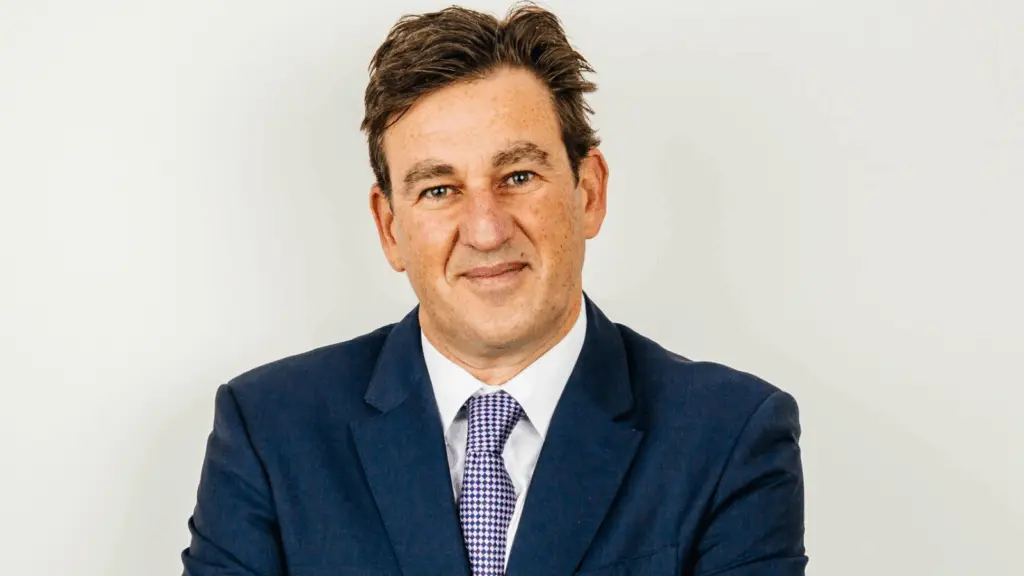
After posting a 16.6 per cent average annual return since 2014 and 31.8 per cent in FY20/21, the Cyan 3G Fund lost 35.8 per cent in FY21/22. So how does it feel, as a fund manager, when things head south in dramatic fashion? The fund’s co-founder, Dean Fergie, speaks to The Inside Network’s James Dunn.

Small cap investing has considerable upside, which the long-term returns data shows. But many small caps are less than quality grade, and the managers picking them can be rife with bias.

Valuing companies and their potential for growth is a slippery, convoluted process. Quality is a key metric, according to Loomis Sayles, but other factors play an equal role.

Eschewing the traditional route, Spatium Capital founders Nicholas Quinn and Jesse Moors grew their short-holding, long-only small companies managed fund from the seeds of a separately managed account.