The next RBA hike demands sector precision, not defensive instinct
Australia’s cash rate nears 4.35, Emanuel Datt says May hike isn’t mere risk-off; real challenge is grasping how rates affect businesses.



Australia’s cash rate nears 4.35, Emanuel Datt says May hike isn’t mere risk-off; real challenge is grasping how rates affect businesses.

Recently released wages data increases the likelihood the RBA will pause its rate hiking campaign for the near term, economists say. A soft landing for the economy is far from guaranteed, but the runway is getting clearer.

Signs of rising economic optimism in Australia don’t change the narrative on the risk of recession, with chances remaining high for a deep downturn in Australia according to a new report.

Rate hikes are causing anxiety for Australian mortgage holders, with new research showing seven out of 10 worry about missing repayments. As large numbers of fixed-rate mortgages expire, analysts say distressed property selling is likely to pick up from its thus-far benign levels.
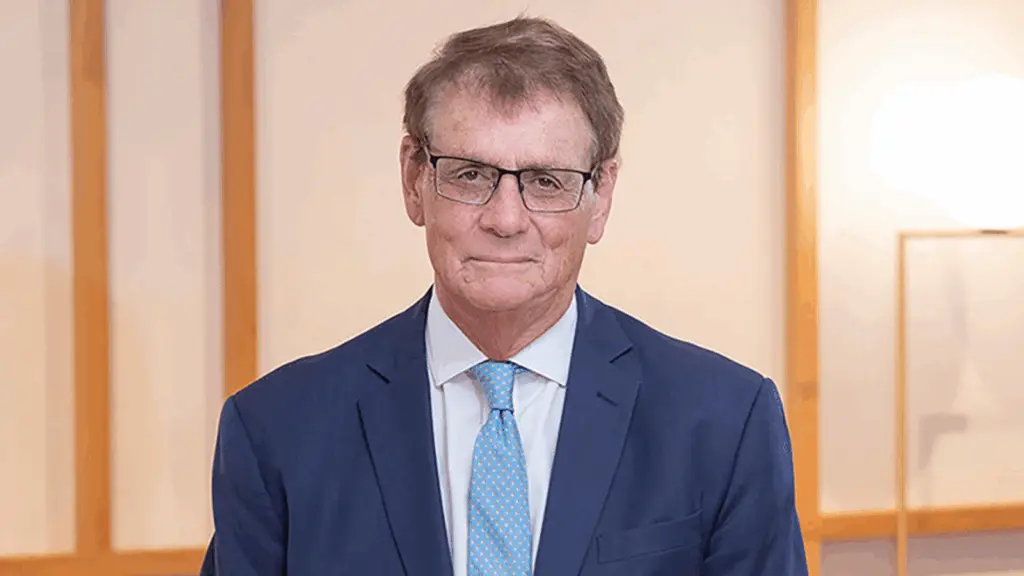
Bill Evans, who will step down next year after three decades as Westpac’s chief economist, says “deeply pessimistic” consumer sentiment despite the RBA’s recent pause is a sign of further hikes ahead.
In a recent market update Sage lamented the RBA’s recent decision to re-engage interest rake hikes after pausing only a month earlier. Policy outcomes have become confusing, the fund manager noted, with the path to a soft landing becoming even narrower.
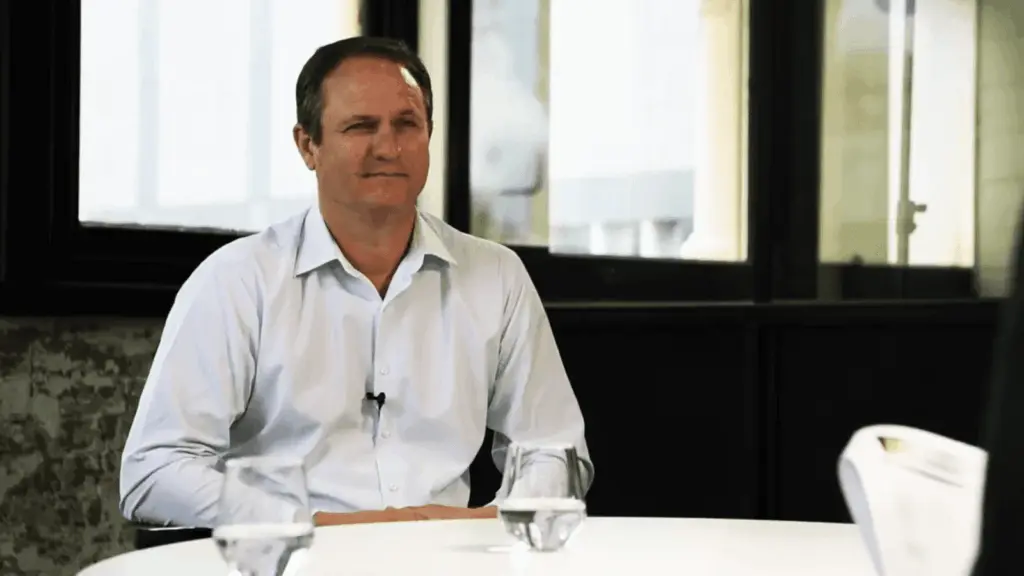
Private lending is going mainstream as soaring inflation forces mid-market businesses to consider more flexible funding options than the traditional incumbent sources.

The RBA will either take the road that equity markets are pricing in, and try to nail a smooth landing, or follow the road that bond markets anticipate and re-raise interest rates, according to Atrium’s Brendan Paul.
The average annual interest rate on banks’ one- and three- year term deposits has risen to 3.2 per cent from 0.25 per cent over the past year. With markets expecting the official cash rate to peak soon, savers looking to lock in attractive rates will find the best deals with smaller, newer banks, analysts say.

Increased traffic volumes and higher earnings have provided valuation support for the infrastructure company, ClearBridge Investments’ Shane Hurst says, with the post-COVID-19 recovery positioning the business for solid growth.
BlackRock sent a shiver through the domestic ETF market, which has tripled in the last four years to around $25 billion, slashing prices for two if its core products.

While avoiding recession is possible, the continuation of restrictive macroeconomic policies for the near term is needed to fight inflation, according to the IMF’s annual economic report card for Australia – and tax reform and stronger housing policies would also help.
Analysts agree Australia’s big four banks are entering 2023 from a position of strength as they pass on rising interest rates to borrowers. Headwinds remain, however, and the total return picture for shareholders looks more complex.

The Reserve Bank of Australia is sticking to its view that inflation will be temporary, despite its poor forecasting track record. Economists aren’t so sure.

With central banks running out of meaningful avenues to impact economies and markets rife with volatility, many investors will be tempted to dial back risk as much as possible.