Thursday 26th November 2026
Emerging markets, valuation gravity and the question of trust
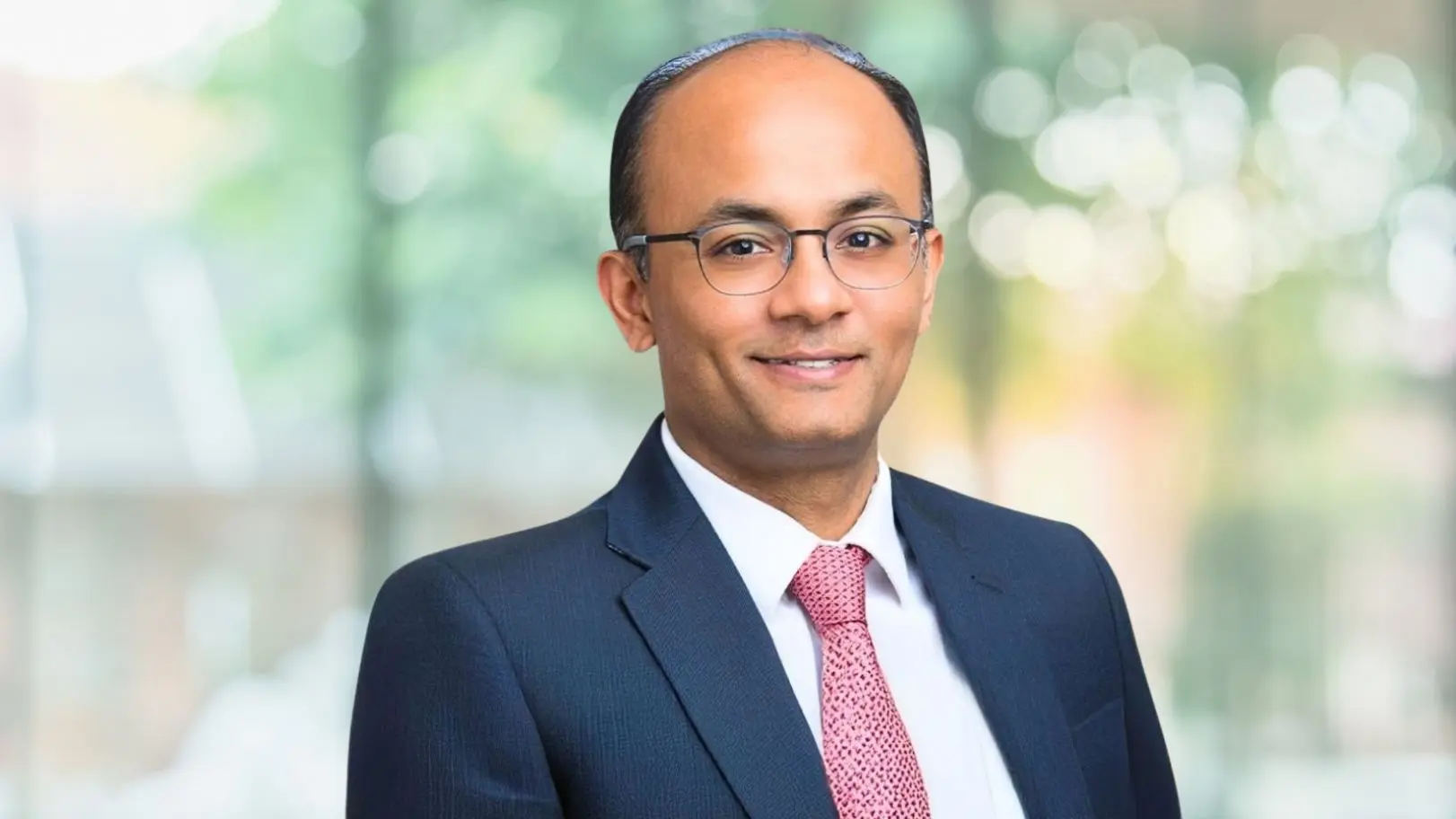
Saurav Das, head of research, emerging markets, at Orbis Investments, explains why valuations, disciplined capital and trustworthy owners shape the firm’s search across the developing world.
US equities have carried much of the returns over the past 15 years, while emerging markets have been a quieter contributor. That record can make a dedicated emerging markets sleeve a harder conversation, even as interest grows in diversifying away from concentrated US exposure.
Saurav Das, head of research, emerging markets, at Orbis Investments, believes the setting is changing and that starting valuations, improving corporate behaviour and deep enquiry into the management teams can offer investors an attractive diversifier for their portfolios.
Valuations
An engineer by education, Das draws on the language of science to describe the opportunity.
“Valuation is like gravity in the world of investing. It may seem for a while like you’re weightless, but gravity does exist and it eventually works,” he argues. “The price you pay for an asset is the single most important determinant of your long-term returns.”
He describes the gap between emerging markets and the US as “exceptionally wide two years ago”, noting that it has started to narrow while remaining large. Just as important, in his view, is how companies respond when capital flows out of a market.
“In emerging markets we see a whole host of companies that are now very disciplined on capital allocation, because they realise their shares trade at such a big discount that potential returns on share buybacks look better than what they could make reinvesting in the business,” Das said. “So in one part of the world you have a supply of paper, and in the other you have a withdrawal of paper.”
Currency adds a second dimension. Capital flows can cause emerging-market equities and currencies to rise and fall together. Das compared the current strength of the US dollar against a basket of emerging market currencies with the setting around 2000, which preceded almost a decade of strong returns from emerging markets.
“People need to remember that these things go in long cycles. Fifteen years is long enough period for most people to forget,” he notes.
The trust filter
The Orbis emerging markets strategy holds a concentrated portfolio of companies, drawn from a universe of over 1000, and Das describes the work of finding them as a search for a needle in a haystack.
An Orbis screen of companies worldwide that had compounded revenue and earnings per share at 20 per cent or more per annum over 20 years found that the hit rate was twice as high in emerging markets as in developed markets. Many of those businesses were led or controlled by families or first-generation entrepreneurs.
Concentrated ownership can also cut the other way, so the firm places one question at the front of its process.
“On behalf of our clients, our job is effectively allocating capital to management teams. The question is, based on their historical conduct, do we have a high degree of conviction that we can trust these people with our clients’ capital?” Das observes. “That is one way how you avoid the left tail and try to capture the right tail.”
NetEase, held since 2008, illustrates the approach. Das pointed to the company’s architecture of internal gaming studios competing for capital, which he said has helped it consistently deliver earnings per share growth of more than 15 per cent for over two decades, as well as to the conduct of its founder, William Ding. Despite his success, Ding remains unassuming and laser-focused on execution.
“If you are a long-term co-owner in a business, what makes or breaks it over the long term, beyond any enduring moat, is the culture of that business.”
Reading the markets
Das cautioned against treating emerging markets as one homogenous asset class, and his views on individual markets reflect the same bottom-up thinking. Orbis has been overweight Korea, for a good part of seven to eight years, favouring selected well-run focused businesses over the large conglomerates that dominate the index. Tax and governance reforms then encouraged the firm to add capital two years ago.
In China, Das notes that strong GDP growth has not translated into stock market returns, and that a low cost of capital can erode shareholder returns in industries favoured by state policy. He nonetheless sees opportunities in owner-operated businesses such as NetEase and PDD.
India presents a different picture. Orbis is underweight the market, despite Das’s respect for the discipline Indian business owners bring to the cost of capital.
“Insiders have been busy selling paper to the market, and the market has been lapping it up. So we are watching that dynamic and are happy to sit on the sidelines,” he argues. Orbis still owns a few Indian companies, mostly in financial services.
The team also weighs press freedom when assessing a market because, in Das’s words, “information is our lifeblood.”
Patience runs through the process. More than 60 per cent of the strategy’s capital now sits in companies held for five years or longer, compared with 20 per cent when Das started, and he encourages advisers to ask their own managers for the same measure.
As emerging markets return to the agenda in client reviews, that pairing of valuation discipline with a long view of the people running each business offers a measured way to frame the conversation.

Laurence Parker-Brown is head of content at The Inside Network and managing editor of The Inside Adviser and Investor Strategy News.