Friday 7th August 2026
Why lasting wealth is a habit, not a strategy

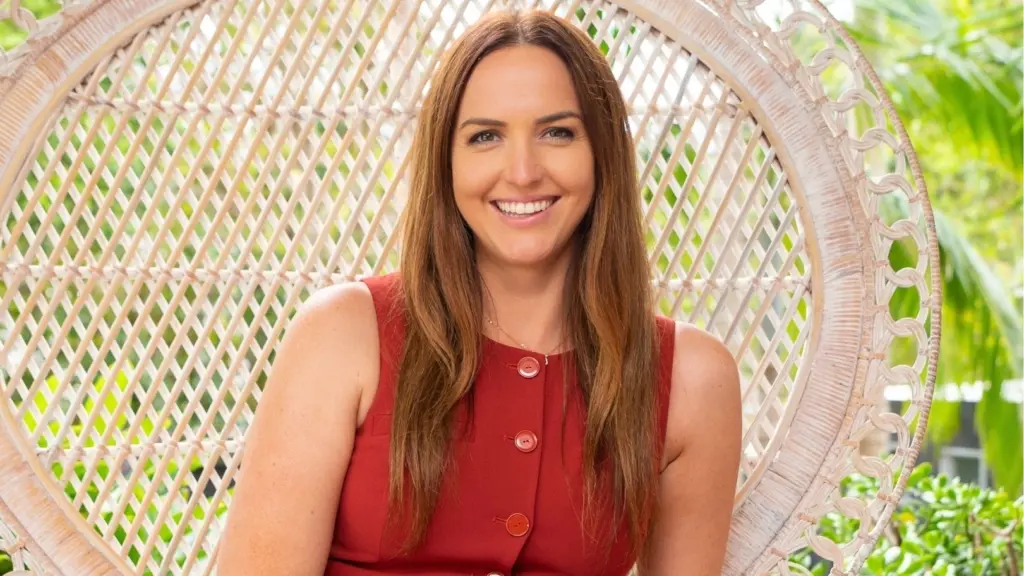
Catherine Ye trained to be an accountant before advice found her. More than a decade on, she runs Bluepond Financial Planning on a simple conviction: that lasting wealth is built less by clever strategy than by consistent habit.
Catherine Ye, a Sydney financial adviser, is up at 5:30am, at the gym, before most of her clients have opened their eyes. It is not vanity. It is the same principle she spends her days trying to teach.
“Going to the gym once won’t transform your health,” she says, “just as making one good financial decision won’t create lasting wealth.”
The discipline behind a 5:30am start is, in miniature, the discipline she believes builds a fortune. It is a conviction she took a while to arrive at, because Ye very nearly did something else entirely.
A career that clicked
Like many of her university classmates, Ye expected to become an accountant. She gave it a go. It did not take long to see the fit was wrong.
The problem was not the technical work, which she enjoyed. It was that the job left out the part of her that wanted to be around people.
“I wanted a career that challenged me intellectually but also allowed me to connect with people, build meaningful relationships,” she says.
The turning point was ordinary, and then it was not. While weighing up other paths, she went along to a careers information session on financial planning.
Advice, she saw, brought together the three things she cared about most: technical expertise, analytical thinking and building real relationships with people. “I remember leaving that session thinking, this is exactly what I’ve been looking for.”
She spent the next twelve months preparing for the move, learning what she could to set up a long career in advice. More than twelve years on, she calls it one of the best decisions she has made.
Habits over strategies
Today Ye runs Bluepond Financial Planning, her Sydney financial adviser practice, where the approach is deliberately personal.
Her clients are professionals, business owners, families and people approaching or already in retirement. And they tend to arrive at a moment when there are simply too many moving parts: superannuation, investments, insurance, tax, business succession, the transfer of wealth between generations, or a life change such as marriage, divorce or the loss of someone.
They want, she says, someone who can bring it all together and help them see the bigger picture.
Before she recommends anything, Ye wants to understand not just what a client is trying to do but why it matters to them. Two clients can present with the same goal and nothing else in common.
“That’s why I don’t believe in applying a standard solution,” she says. Advice, in her telling, is built around the individual and the life they are trying to build.
Her most firmly held view is about how wealth is actually created. Over the years she has designed the full technical repertoire, SMSFs, retirement and Centrelink strategies, trusts, tax planning, bespoke portfolios, and she is quick to say those things matter.
But the biggest change in a client’s position, she has found, tends to come from somewhere less technical. “Sustainable wealth is built through small, consistent actions repeated over many years,” she says.
The fitness comparison is not a throwaway. It is the centre of how she thinks. Compound the right habits, she argues, and clients compound more than assets: they compound confidence, resilience and options.
To me, financial advice is where heart and mind meet.
The human side, protected
Ask Ye what is hardest about the job right now and she does not reach for markets or regulation. She says time. The profession has grown more complex on every front, from compliance and legislation to investment markets and technology, and “there is always more to understand, more to observe and more to do than there are hours in the day.”
Her answer is not to work longer but to work smarter, which for Bluepond means leaning on AI and sharper internal processes to take the routine work off her desk.
What the technology is for, in her view, is protecting the part of the job that cannot be automated. “I believe AI should enhance the advice experience, not make it less personal,” she says.
Handled well, it buys back the time to sit with people. It is also the advice she would give anyone weighing up the profession. It asks you to develop both the heart and the mind, she says: the analytical discipline to get the strategy right, and the empathy to understand the person it is for.
“Clients don’t just need someone who understands finance, they need someone who understands them.”
The whole person
That reputation for care has a way of coming back. Nearly a decade into her career as a financial adviser in Sydney, Ye took a call from a senior adviser she had worked with years earlier. He was starting to think about retirement, and he had thought of her to take over his practice.
She chose instead to build her own, but the conversation stayed with her. “Your reputation is built over time, often quietly,” she says, “through the quality of your work, your professionalism and the relationships you build along the way.”
Her interests outside the office map neatly onto the ones she brings in. Fitness for discipline. Reading, across markets, psychology and the occasional fantasy novel, for curiosity. Cooking, which she treats as a small art of bringing different things together into something people enjoy, much as advice brings the pieces of a life into one plan.
And, more recently, golf, where she has found a philosophy she likes. “Every shot is a new shot,” she says. “You let it go, stay present and focus on the next one.”
Where she wants to take Bluepond over the next five years is towards technical excellence and client care, but also towards something less commercial. She wants advice to be, in part, about education, and she does not want that education reserved for people who can already afford it.
“Financial education shouldn’t be a privilege available only to those who can afford advice,” she says. It is the same instinct that gets her to the gym at 5:30am: the belief that the small, repeated, unglamorous things are what compound, for a portfolio and for a life.

Laurence Parker-Brown is head of content at The Inside Network and managing editor of The Inside Adviser and Investor Strategy News.