Monday 20th July 2026
Third Link retains Zenith rating as fee-rebate model faces scrutiny

The Third Link Growth Fund has again earned Zenith's 'Recommended' rating, backing a fund that combines a 9.09% net annual return since inception with more than $25 million donated to Australian charities through a unique fee-rebate structure.
Values-aligned funds raise an obvious question: does directing part of the fund’s revenue to a cause outside investment returns quietly cost investors performance? The Third Link Growth Fund’s latest Zenith Recommended rating is a useful case study for how advisers might answer that question in due diligence.
The Third Link Growth Fund has donated $25 million to charity since inception while delivering a net return of 9.09 per cent per annum, as of 31 May 2026. Past performance is not a reliable indicator of future returns, and the figure should be assessed against the fund’s specific risk profile and time horizon rather than taken as a standalone claim.
For advisers, the more relevant point is what the Zenith rating actually tests. It is not an endorsement of the charitable model. It is an independent assessment of the fund’s structure, management and governance, the same due diligence threshold platforms and compliance frameworks require of any fund under consideration.
How the model works
Chris Cuffe AO founded the Third Link Growth Fund in 2008. It operates as a diversified multi-manager vehicle, investing across a carefully selected group of leading active Australian equity managers.
The mechanism behind the charitable donation is structural rather than promotional. The underlying managers rebate all of their management and performance fees, and that arrangement is what funds a 1 per cent annual donation of funds under management to Australian charities, without a stated reduction in investor returns.
Advisers assessing the model should note that this depends on the underlying managers continuing to agree to the rebate; it is a voluntary arrangement, not a contractual guarantee built into the fund’s structure.
The fund currently manages approximately $140 million, a relatively small base compared with many multi-manager peers. The charities it supports focus on backing young Australians and addressing disadvantage, including improving employment outcomes for young people facing systemic barriers.
Cuffe frames the fund’s logic this way:
“We’re delighted that Zenith has maintained its Recommended rating. It reinforces our belief that investors shouldn’t have to choose between achieving attractive long-term investment outcomes and making a positive difference in the community.”
That is the fund’s own position on the trade-off. Whether it holds for a given client depends on the usual due diligence questions: fee levels relative to comparable multi-manager vehicles, the durability of the underlying managers’ fee-rebate commitments, and how the fund’s return profile compares with peers over multiple market cycles rather than a single figure since inception.
Governance evolves
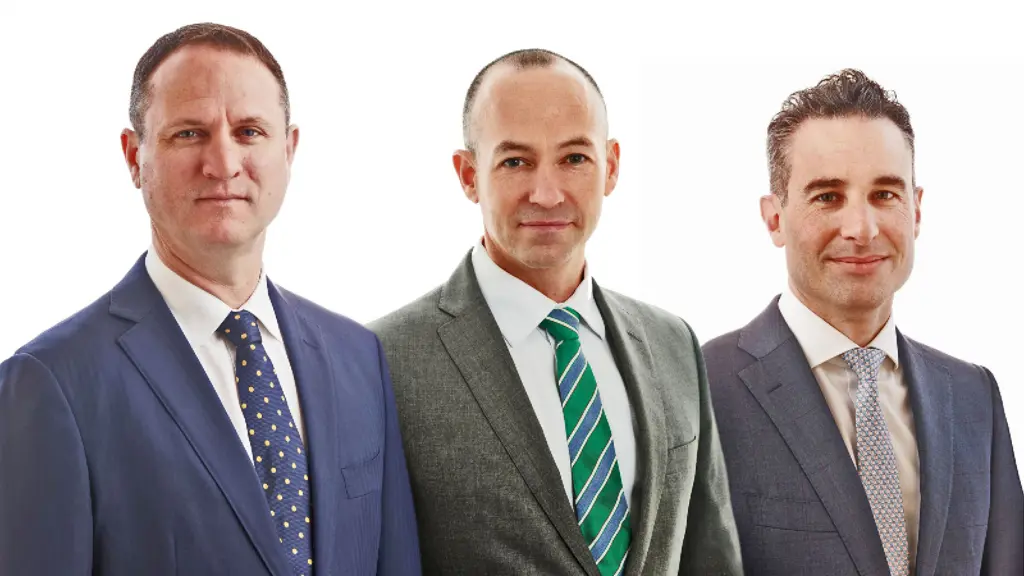
In 2025, Third Link established a formal independent Investment Committee, chaired by Cuffe and joined by industry figures Jason Coggins and David Wright. Zenith noted the development favourably, citing the additional oversight it brings to portfolio construction, manager selection and investment governance.
For advisers, that governance shift is arguably more relevant to a due diligence assessment than the charitable structure itself.
A fund built around one founder’s personal relationships with boutique managers carries key-person risk. Formalising an independent committee is a step toward reducing that dependency, and it was a factor in the fund retaining its Zenith rating.
Nina Dunn, Head of Distribution and Marketing for Third Link Investment Managers, attributes the outcome to the underlying managers rather than the platform itself.
“This recognition reflects the generosity of our outstanding underlying fund managers, who rebate their management and performance fees to help maximise our charitable impact. It’s a powerful example of the investment industry coming together to deliver strong outcomes for both investors and the community.”
The structural context
The Australian sharemarket is increasingly concentrated at the large-cap end, and a small number of stocks exert a disproportionate influence on index returns. Multi-manager models like Third Link’s are one response to that concentration, drawing on boutique managers with high-conviction, differentiated portfolios rather than tracking what the index owns most of.
That is a structural argument independent of the fund’s charitable model, and it applies to other multi-manager vehicles in the market as well.
Separately, adviser demand for values-aligned options is growing as more clients want their money to do more than generate returns. That trend is real, but it does not substitute for standard due diligence. A values-aligned structure and a well-governed, appropriately priced fund are not automatically the same thing.
What Zenith’s review covered
Zenith’s review addressed four elements of the fund’s structure:
- The differentiated multi-manager approach relative to single-manager or index alternatives.
- Cuffe’s experience and continuity as founder and portfolio manager.
- The fee-rebate arrangement and how it is structured to fund the charitable donation.
- The governance changes introduced in 2025, including the new Investment Committee.
The fund is available directly and through BT Panorama and Netwealth. For advisers evaluating it, the useful exercise is separating the charitable structure, which is a genuine point of difference, from the ordinary questions that apply to any managed fund: cost, governance, capacity and performance over time.city and performance over time.

Cristina is a contributor and content manager at The Inside Network.