Thursday 25th June 2026
KeyInvest unlocks alpha with a bold new platform
KeyInvest's new investment platform KIMI opens access to a battle-tested private credit strategy, with only 12 managers surviving a ruthless cull of more than 300 candidates. Here's what advisers need to know.
KeyInvest, the Adelaide-based member-owned friendly society that has been compounding capital since 1878, is stepping into a new chapter.
The organisation has launched KeyInvest Managed Investments, known as KIMI, a purpose-built investment platform giving financial advisers and wholesale investors access to specialist strategies in some of the market’s most structurally compelling areas.
KIMI is not a pivot born of opportunism. It is the product of 147 years of disciplined capital stewardship, member accountability, and institutional-grade due diligence, now packaged into a platform designed for today’s investment environment.
Serving around 50,000 members and regulated by APRA under the Life Insurance Act (1995), KeyInvest brings a governance pedigree that few newer entrants can match.
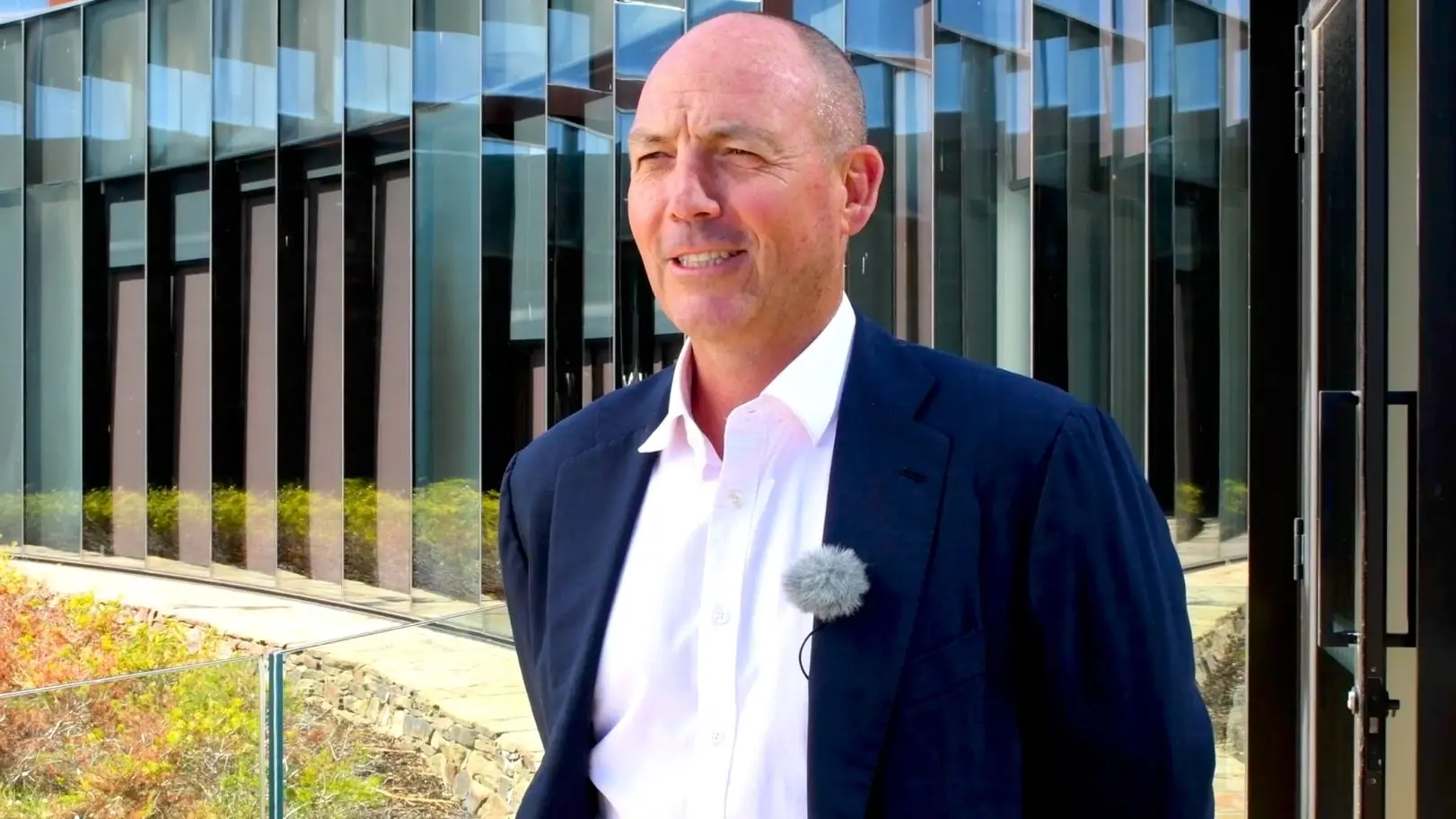
“Since 1878 we have invested through world wars, economic depressions, financial crises, and periods of extraordinary economic expansion,” says Craig Brooke, KeyInvest’s Managing Director and CEO.
“Across those cycles markets have changed significantly, but certain principles about successful investing remain consistent. Some of the most attractive opportunities exist in areas shaped by structural forces such as regulation, capital constraints, and complexity, and that is precisely where KIMI is focused.”
Proof before pitch
One of the most compelling aspects of KIMI’s launch is what the organisation did before going public.
Since 2022, KeyInvest’s own Funeral Bond has deployed up to 20% of its capital-guaranteed portfolio into the same underlying private credit strategy that anchors KIMI’s first fund. That strategy has delivered market-leading returns for three consecutive years.
“We spent three years investing our own members’ capital in this strategy before inviting others to participate,” Brooke says. “That is what genuine alignment looks like.”
It is a level of skin-in-the-game that is rare in an industry where new products are frequently launched before they have been thoroughly stress-tested. For advisers conducting due diligence, this track record inside a regulated entity represents a meaningful point of difference.
Ruthless selection, not passive market exposure
KIMI’s flagship offering, the KeyInvest Senior Debt Income Fund, targets returns of RBA Cash Rate plus 5% per annum (net of fees and costs), with regular monthly income distributions. The fund invests in senior secured loans backed by first-ranking mortgages over real assets, including property and infrastructure.
To construct the portfolio, KIMI reviewed more than 300 Australian private credit managers. Only 12 cleared the bar. As KIMI Executive Director Ciaran McAssey explained:
“By combining best-in-breed managers into a single diversified portfolio, we unlock sources of alpha that a single-manager approach simply cannot access. But that only works if you are prepared to be ruthless in who makes the cut. The majority of managers we assessed did not meet our standards, and that discipline is what protects investors.”
The timing reflects both structural tailwinds and emerging risks. Australian private credit funds under management have grown from approximately $130 billion at the end of 2021 to $225 billion by the end of 2025.
With that scale has come increased complexity and, in some cases, opacity. KIMI’s position is that the growth of the asset class makes selectivity more important, not less.
Transparency as a structural advantage
Where many private credit offerings leave advisers working with limited visibility over underlying exposures, KIMI is taking a different approach. The platform has been built with institutional-grade transparency and portfolio look-through capabilities from the ground up.
“Unlike many private credit offerings where underlying exposures remain largely opaque, KIMI has built the platform around institutional-grade transparency and portfolio look-through capabilities, allowing us to drill down to each individual deal for each of the managers,” McAssey says. “That should provide investors with greater confidence.”
For advisers who face their own obligations around disclosure and client suitability, that level of visibility is increasingly non-negotiable. The ability to examine what sits beneath the fund wrapper, rather than relying on aggregated reporting, changes the due diligence conversation materially.
Independent oversight from Atchison
Asset consultant Atchison has been appointed as investment adviser to KIMI, providing independent expertise across manager research, portfolio construction, and ongoing oversight. The appointment adds a further layer of institutional rigour to the platform’s selection and monitoring processes.
The Senior Debt Income Fund is the first of three strategies planned under KIMI’s Unlock Series, with an Australian Small Companies and a Global Small Companies strategy expected to follow as market conditions and opportunities evolve.
The fund is currently available to wholesale clients under the Corporations Act 2001, operated through KeyInvest Managed Investments Pty Ltd. KeyInvest Ltd is the parent entity and product issuer. Broader retail access through a registered scheme structure is possible in the future.
Most private credit platforms ask advisers to trust the process. KeyInvest Managed Investments asks to look at the results first.
Three years of live performance inside a regulated, APRA-overseen entity is not a marketing claim. It is a verifiable track record, built on real member capital, before a single external investor came on board. For advisers who bear their own obligations around client suitability and due diligence, that distinction matters.

Cristina is a contributor and content manager at The Inside Network.