Monday 26th October 2026
Higher for longer: capital scarcity is boosting yields in core infrastructure
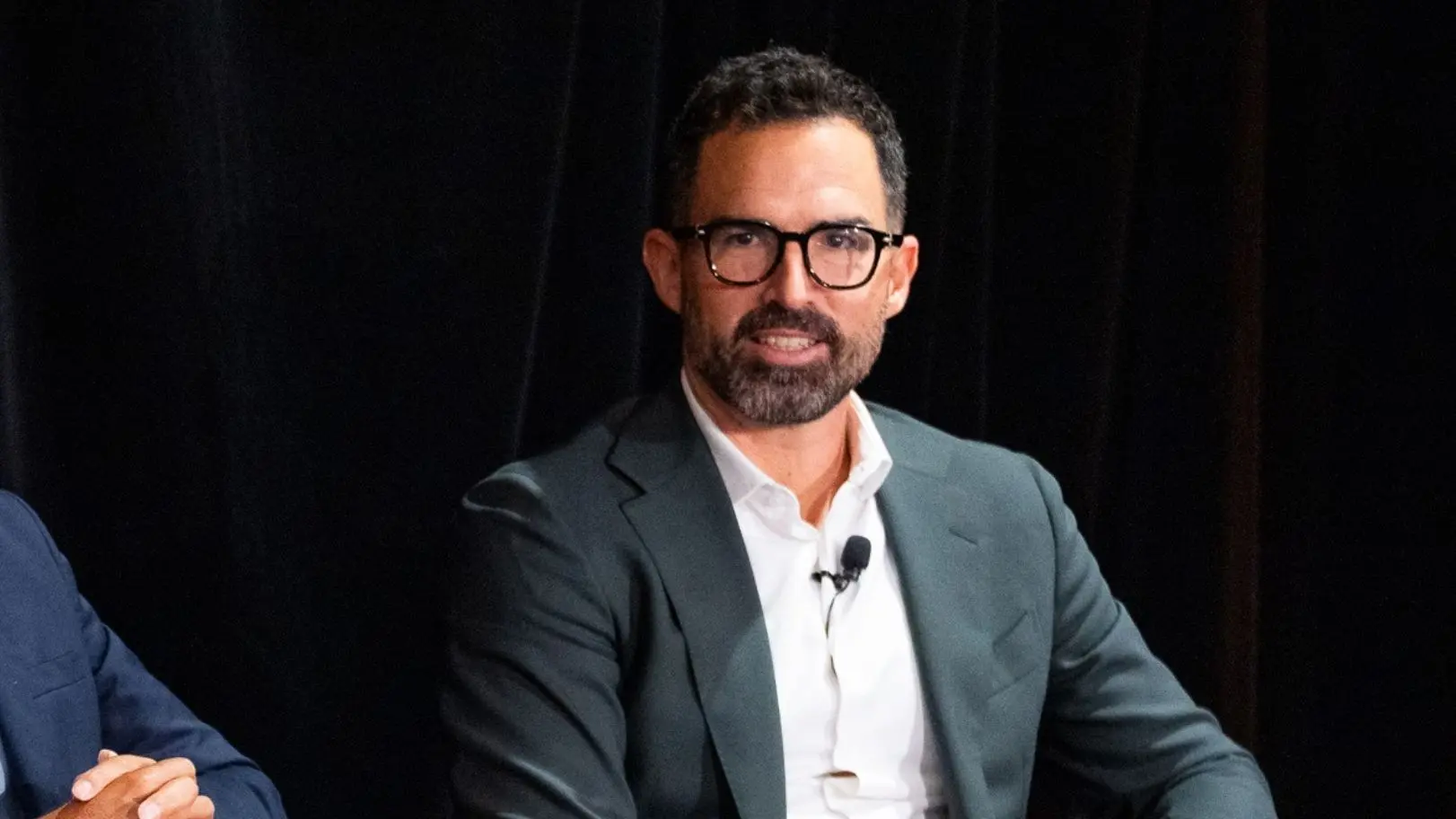
Ares Wealth Management Solutions’ Teiki Benveniste says some investors may continue to value core infrastructure on the yield environment that prevailed before 2022. Built and contracted assets are now changing hands on yields of approximately 9 to 10 per cent, and the return comes from the cash flow rather than from the sale.
Infrastructure earned its place in client portfolios during a decade of falling rates, when a long-dated, inflation-linked cash flow was worth a great deal and capital growth followed almost automatically.
Teiki Benveniste, head of Australia at Ares Wealth Management Solutions, asserts that the asset class has repriced into something quite different and that some investors are still valuing it on the old settings.
Benveniste defines core infrastructure as assets that are operational and generating contracted cashflows, provide services considered essential to economy, and benefit from structural barriers to entry that may limit competition from new assets. Connecting a new power asset to the grid in the United States takes about five years, which is five years a new entrant cannot compete.
“We are not talking about buying companies. We are talking about buying actual assets,” Benveniste says.
That is where due diligence should start. Listed infrastructure means owning companies that own assets, and a fair number of unlisted core plus strategies do the same.
“You hear managers say, well, we are going to buy a company that owns infrastructure assets, we are going to try and grow that company and then sell that company for a better price. That is really the private equity playbook,” Benveniste says.
Ares takes a different approach, seeking limited development risk, buying assets already built, online and contracted with off-takers such as Amazon, McDonald’s and Cargill on 15 and 20 year agreements at set prices, and it carries residual value at zero after a useful life of 30 to 40 years. On that basis the return is expected to be derived from contracted cash flow.
Yield
The natural question about a 9 to 10 per cent yield on a core asset is what risk produces it. “It is just the environment is giving us that return right now,” Benveniste says.
More than US$100 trillion of new infrastructure is estimated to be needed globally between now and 2040, and for the first time in years a large share of it sits in developed markets. In the United States alone he believes the requirement would be approximately US$1.5 trillion for power over five years and US$650 billion for digital.
American electricity demand was relatively flat for the past two decades as appliances and buildings became more efficient.
Electrification, the reshoring of manufacturing and the migration of ordinary computing into the cloud have ended that, and Benveniste estimates the additional generation needed over five years as roughly two and a half times what American households currently consume. About half of data centre demand is artificial intelligence, the rest is cloud.
“Even if you are an AI sceptic, that could continue to support the demand for power,” he asserts.
Governments appear to have also retreated from the project financing role they held before the 2008 global financial crisis, and private capital has filled the space since.
Contracted, not traded
Ares seeks to turn that into income by partnering with developers rather than competing with them. Developers build the asset, and once it is online and de-risked they need capital for the next one, so Ares seeks to buy assets two to three years old at yields of 9 to 10 per cent and the developer recycles the proceeds.
The portfolio holds approximately 50 such assets with contracted cash flows averaging 15 years, mostly investment-grade counterparties and asset-level gearing of 30 to 40 per cent, targeting an approximately 10 per cent yield paid monthly.
Benveniste is cautious on data centres, taking exposure through debt rather than equity on the view that equity pricing looks relatively high.
The caveat is the durability of the yield rather than the assets. The approximately 9 to 10 per cent yield exists because capital is scarce relative to the need, and capital responds to that kind of gap.
Before 2022, the same asset class traded at premium valuations for the opposite reason, with greater availability of capital chasing a limited pool of assets and pushing entry yields down to where the growth assumption did the work. Whether the current spread survives the money now moving towards the sector remains an open question.

Laurence Parker-Brown is head of content at The Inside Network and managing editor of The Inside Adviser and Investor Strategy News.