Wednesday 18th November 2026
Crypto becomes a first investment for a new generation of clients

Nearly one in four Australian investors holds or trades cryptocurrency, matching ETF ownership. CloudTech Group’s Mandy Jiang says regulation is building confidence and opening the next stage of the market.
Nearly one in four Australian investors holds or trades cryptocurrency, placing digital assets on almost the same footing as exchange traded funds (ETFs) in household portfolios. For advisers, that makes crypto an increasingly common line on a client’s fact find. It is also a growing part of the conversation about how new investors first enter the market.
Research into Australian investor behaviour finds that 2.79 million Australians hold cryptocurrency. They either hold it now or have traded it in the past 12 months. That equates to 24 per cent of investors, up from 15 per cent in 2023.
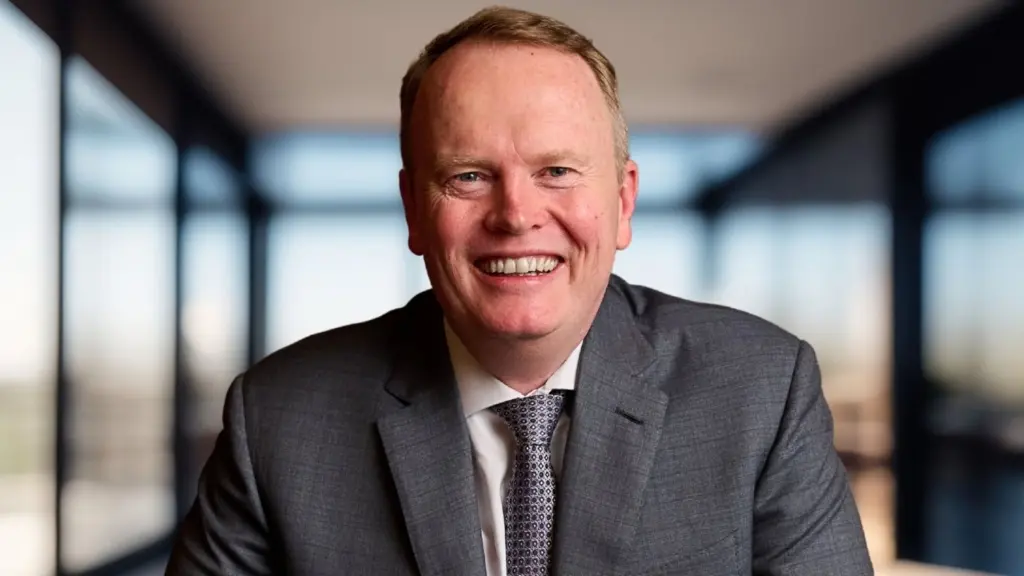
Commenting on the report, Mandy Jiang, chief financial officer and executive director at CloudTech Group, says the findings show “digital assets are no longer a niche asset class for Australian investors”.
A broadening investor base
The research places crypto participation broadly level with ETFs, which an estimated 2.82 million Australians hold. Activity is also lifting among existing market participants. Some 23 per cent of on-exchange investors bought, sold or made a new crypto investment in the past 12 months, up from 20 per cent in 2023. The report estimates this represents approximately 250,000 additional Australians participating in crypto investing.
Younger investors lead the way. Among wealth accumulators aged 30 to 49, 35 per cent hold or trade crypto, as do 31 per cent of investors aged 18 to 29. By comparison, 16 per cent of pre-retirees and 3 per cent of retirees do the same.
Crypto is also becoming a gateway into investing more broadly. Among crypto investors, 40 per cent say cryptocurrency was their first-ever investment. That places it ahead of Australian-listed shares at 30 per cent and ETFs at 10 per cent.
For practices building relationships with the next generation of clients, this points to a particular cohort. Their investing journey often begins with digital assets.
Measured investors, measured allocations
The data challenges the idea that crypto investors are uniformly high-risk speculators. According to the report, 68 per cent of crypto investors say they prefer guaranteed or stable, reliable returns. Only 14 per cent say they would accept higher variability for potentially higher returns.
Allocations also tend to be proportionate. Crypto represents 4 per cent of the average portfolio across all investors. It makes up 16 per cent of the portfolios of crypto investors. This suggests most hold it as one part of a broader portfolio.
Further demand appears to be on the way. Among Australians intending to start investing in the next 12 months, 28 per cent say they intend to invest in cryptocurrency.
Regulation builds the next stage
Jiang links the growth in participation to Australia’s regulatory approach.
“That growth is being driven by Australia’s increasing focus on regulation to protect consumers while also allowing businesses to operate effectively in the market,” she says.
“The introduction of an AFSL-based framework for digital asset platforms is an important step because it brings the sector more directly into the financial services regulatory system and establishes clearer expectations for the businesses holding and managing digital assets for Australians.”
From adoption to integration
She sees the market entering a new phase, with financial advisers among the groups it aims to bring in.
“We are moving into the next stage of the digital asset market in Australia. The first stage was largely about adoption and the second is about boosting adoption from wholesale and institutional investors, including financial advisers,” Jiang says.
“To achieve this, the next stage needs to be about building the regulated infrastructure, governance and institutional credibility that allow digital assets to become more deeply integrated with the wider financial system.”
For many investors, that integration starts with a familiar structure. “The rise in crypto ETFs has been a key initial driver of this and has allowed investors to access the asset class through a regulated vehicle that they know and trust,” Jiang says.
She sees the comparison with ETF ownership as a clear signal of the market’s potential.
“The fact that crypto participation is already broadly comparable with ETF ownership shows the size of the digital assets opportunity in Australia,” she says. “By continuing to focus on building strong regulatory frameworks to support businesses and consumers, the uptake of digital assets will certainly continue to increase in years to come.”
As more clients arrive with digital assets already in their portfolios, and as regulated access points continue to develop, the asset class is likely to feature more often in advice conversations about diversification, risk tolerance and long-term goals.

Cristina is a contributor and content manager at The Inside Network.