Monday 19th October 2026
The emerging markets case rests on fear, not growth
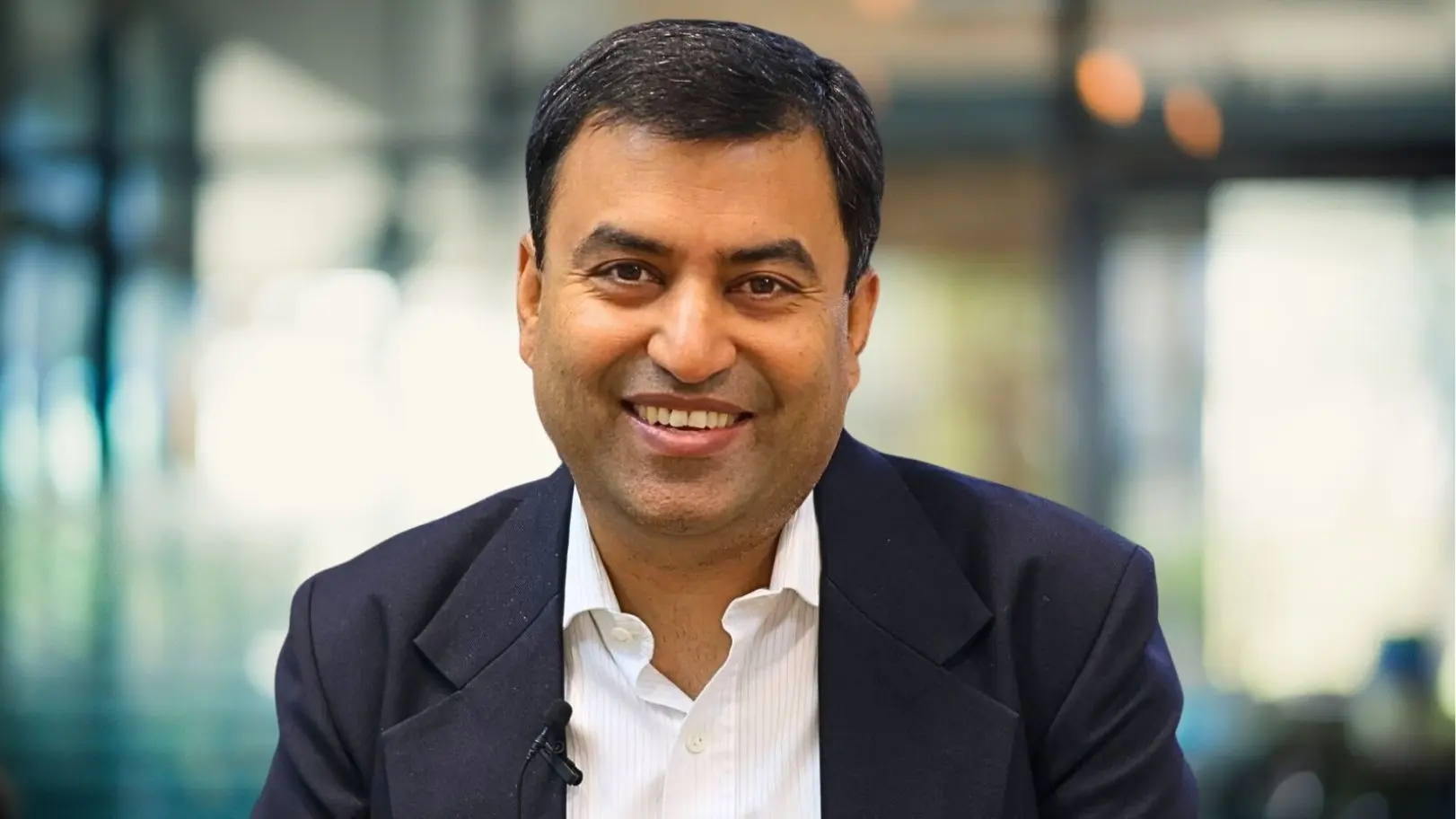
Pzena Investment Management’s Rakesh Bordia says value investing works because investors become too frightened to price businesses properly, and no part of the market supplies that fear as reliably as emerging markets.
The argument for emerging markets is usually built on growth, demographics and the earnings gap with the developed world.
Rakesh Bordia, principal and portfolio manager at Pzena Investment Management, builds it on something a good deal less flattering to the people who invest there.
His starting point is why value investing works at all. Prices dislocate from fundamentals because investors become frightened when something goes wrong, and then become more frightened than the facts warrant, selling at whatever price is available. If that is the mechanism, the useful question is where the fear runs hottest.
The fear factor
For example, “when there’s a coup in Turkey, people are selling the stock no matter what the valuation is, they just want to get out of it” says Bordia. The result is that price dislocations in emerging markets are generally larger than those available elsewhere.
Add thinner research coverage and business models that are less developed than their listed peers in the United States or Europe, and the conditions for a deep value process are better than in any developed market.
“Value and emerging market is a match made in heaven.”
The same logic shows up at the asset class level. Two years ago, Bordia observes, the discount on emerging markets against developed markets was among the widest it has been. At that point, emerging market earnings were growing faster than developed market earnings.
A wider discount alongside faster growth is an unusual combination, and it existed because the asset class had spent most of the previous decade disappointing the people who owned it.
The filter that follows matters as much as the dislocation. Most businesses we invest in are recognised as leaders in their industry. They have a real advantage over their peers in product, technology or cost. A large part of the cheapest quintile is therefore discarded as cheap for good reason.
Out of an emerging markets universe of roughly 1,000 names, the cheapest 200 are designated the researched universe. Detailed work is done on about a third of those in a year. Between 10 and 15 are bought.
The best setups are the ones where the country is out of favour. The sector is out of favour too. The company has done something to hurt its own valuation as well.
Against the index
China over the past five years is the cleanest illustration of what that produces, in both directions. When the country was more than 40 per cent of the emerging markets index, investors could not own enough of it.
Bordia says Pzena was more than 20 per cent underweight. This was not a country call. There were very few Chinese stocks trading in the cheapest quintile. Eighteen months later the same investors were asking whether China was investable at all. Bordia says the firm’s fundamental view of the market had not changed much.
The market had fallen by what Bordia puts at 60 to 70 per cent against the rest of the emerging markets universe. A long list of good businesses arrived in the cheapest quintile, and the research work began. He puts the index weight at 42 per cent falling to 25. The portfolio moved from 20 per cent underweight to 10 per cent overweight.
“The index is very pro-cyclical,” Bordia says. “So anytime a part of the index does worse, that means it has become cheaper, we’ll get bigger there and vice versa.”
Concentration risk is prevalent across many markets. It carries increasing logic to augment a core holding with not only different factors, but also different investment philosophies.
The ability to seek out fear, and the dislocations it can generate, might be worth considering in a time of momentum and crowded trades.

Laurence Parker-Brown is head of content at The Inside Network and managing editor of The Inside Adviser and Investor Strategy News.