Monday 23rd November 2026
Most clients value peace of mind over investment performance
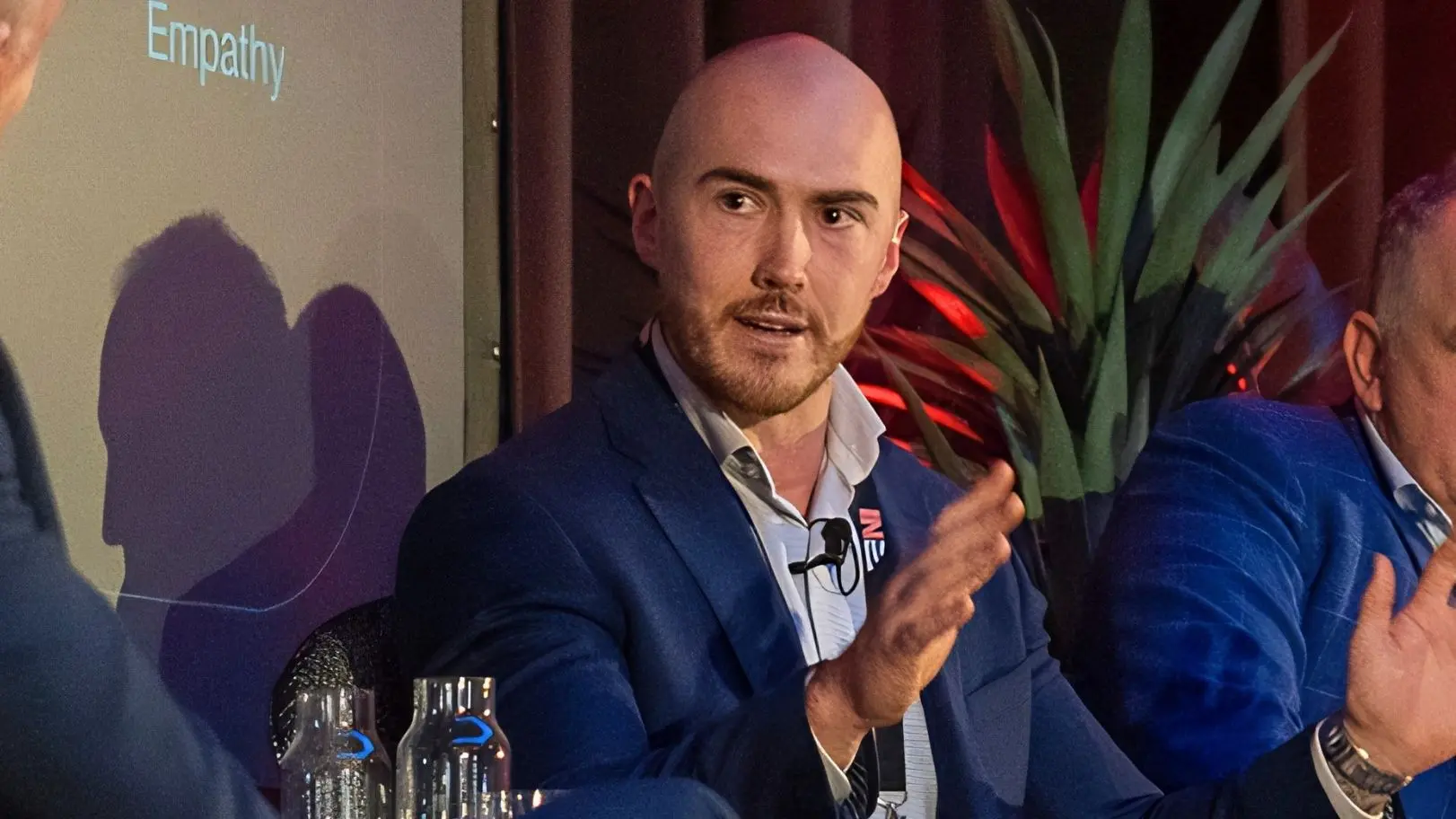
Advisers spend much of their time on portfolios, yet their clients may value something else entirely. Levera Solutions’s Josh Lee explains what a survey of his firm’s clients found, and how it changed the way the practice is run.
Investment performance tends to dominate the conversation in advice, from research meetings to annual reviews. Josh Lee, director of Levera Solutions, suggests it is not what most clients are paying for.
Lee is a practising adviser at Link Wealth, a holistic planning firm with about 15 advisers and around 1,000 clients across Australia. He also runs Levera Solutions, a Philippines-based business with 114 staff that supports 42 financial services businesses as they scale through outsourcing.
When Link Wealth recently asked its clients what they valued most about the relationship, the answer confirmed a view he already held.
“5 per cent of the responses were investment and performance management. 80 per cent of it was peace of mind, having an adviser that they trust, that knows them well,” he says.
What clients value
The finding matters more as artificial intelligence spreads. Producing an investment plan has become easy with the tools now available, Lee notes, so the parts of advice that rest on trust and familiarity are the parts advisers should be leaning into. In his view, that means spending more adviser time with clients and organising everything else around making that possible.
At Link Wealth, the practice is built to put advisers in front of clients as often as it can. Lee’s starting point is that some complexity comes with the job, but waste does not have to.
“I think complexity is obviously a bit of a given in our industry in a way, but I think inefficiency is optional,” he says.
Every adviser in the firm works with a dedicated offshore team member who handles paperwork and applications from start to finish and follows up clients directly, though never on strategy. Lee says he no longer touches administrative work himself, and that the arrangement has freed onshore staff for higher-value tasks rather than replacing them, which also helps keep them.
Mapping the journey
The more recent shift has been to look at the client’s experience end to end. Over the past three months, Lee explains, the firm has worked through every step a new client takes, from the first contact to the end of onboarding, and then through the ongoing review process.
Each step is tested against a simple question, whether it can be eliminated, automated or delegated, with offshore staff taking on much of what is delegated.
He is clear that the order of operations matters. A firm that outsources before it fixes its processes simply moves the problem somewhere else.
“If you’ve got bad systems and processes, outsourcing won’t actually fix that,” Lee observes.
Standardisation is part of the fix. Five years ago, he recalls, the firm used almost every platform and superannuation fund on offer and promised clients it would scour the market. It now works with a small set of platforms and providers, which makes the work far easier to hand to a team, onshore or offshore, without the advice becoming formulaic.
Human connection
Artificial intelligence is already changing the staffing model. The firm has not cut staff, he says, but its headcount is no longer growing at the same pace as the business. He is also watching AI paraplanning tools that he expects could turn around a statement of advice within a couple of hours.
That speed brings its own risk, since advisers moving through advice two or three times faster could overwhelm the operations team behind them, which is one reason the firm keeps an offshore team it can scale quickly.
Lee notes that AI will change who gets advice. There is a large group of Australians who currently go without, he notes, and a more limited, scaled model of advice may serve many of them well.
For clients with more complex needs, he expects demand for a trusted adviser to hold, likening advice without a human to boarding a plane with no pilot.
If he is right, the practices that gain most from automation and outsourcing will be those that put the time they save back into the relationship that clients say they value most.

Joel is a contributor and content manager at The Inside Network.