Friday 1st May 2026
In uncertain markets, advisers should focus on discipline, not drama

In volatile markets, Esencia Wealth founding partner Christopher Forrest says advisers add most value by staying disciplined, preserving liquidity and keeping clients focused on long-term objectives.
Why disciplined advice matters more than bold calls in volatile markets
When markets turn jumpy during periods of high volatility, the pressure on advisers is not just to perform, but to appear decisive. Clients want reassurance when headlines are alarming and every swing seems to demand a response.
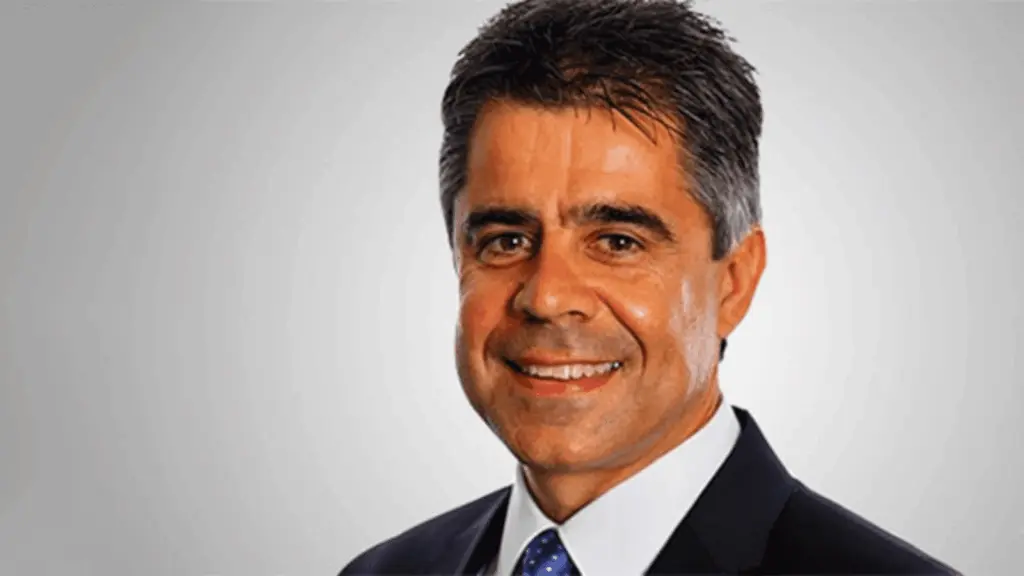
Christopher Forrest, founding partner at Esencia Wealth, argues that this is exactly when advisers need to be at their most disciplined. The challenge is not to make heroic portfolio calls. It is to stay focused on client objectives, preserve perspective and stop short-term volatility from dictating long-term decisions.
Forrest’s view is grounded in experience. He has seen enough cycles and shocks to know that panic rarely pays. “The market reacts faster to news than any adviser or client. You can easily get caught on the wrong side of whipsawing markets.”
That point is especially relevant in a market where reversals can be violent and short-lived. Sell in fear after a bad month, and there is every chance the rebound arrives before the client has had time to regroup. For Forrest, that does not mean advisers should ignore risk; it means they should distinguish between real risk and emotional overreaction.
Stay invested, stay diversified
The core of Forrest’s approach is straightforward. Stay invested, stay diversified and avoid the temptation to become too clever in markets that are hard to predict. He is sceptical of concentrated, high-conviction positioning when the upside for being right is often smaller than the damage caused by being wrong.
“Stay true to your goals which may mean simply to stay invested and stay diversified.”
It is simple advice, but in practice it demands restraint, especially when clients and commentators are searching for certainty.
That does not mean portfolios should be static. Forrest supports tactical tilts when they are measured and anchored to a strategic asset allocation. “Be discerning.” Investors can tilt to value in a higher‑rate environment, increase exposure to quality stocks after a sell‑off or add weight to infrastructure when inflation risk rises.
But the scale matters. These are not swings for the fences. These modest adjustments improve resilience without putting the whole portfolio at risk.
Implementation matters, too. Forrest points to the flexibility of managed accounts and ETFs when advisers do want to express a view. Those tools can make it easier to adjust exposures consistently across clients. But again, the emphasis is on practicality rather than speed. An investment idea that only works if executed instantly is probably not appropriate for a long‑term client portfolio.
The adviser’s role is part portfolio, part psychology
Forrest is especially clear on his role with the behavioural side of advice and says, “The challenge for advisers and clients alike is to avoid getting caught up in strong market narratives, positive or negative.”
In periods of uncertainty, the adviser’s value often lies in helping clients avoid decisions that feel rational in the moment but prove destructive over time. “People just want to have confidence in the advice they receive and their decision-making, and therefore be confident they can live they life they want,” he says. That cuts to the heart of the advice relationship. Most clients are not demanding spectacular outperformance: they simply want confidence that they can meet their goals without unnecessary anxiety.
That is why Forrest consistently brings the conversation back to objectives. If a client is deeply worried about the outlook, the response should not automatically be to slash growth exposure and retreat to cash. It should be to examine what the client actually needs the portfolio to do.
For someone relying on their investments for income, that may mean holding two or three years of spending needs in cash or short-dated defensive assets, so the growth portfolio has time to recover from market shocks. “It’s anchoring to objectives,” Forrest says.
This thinking is central to how Esencia approaches retirement portfolios. The firm segments capital by when it is likely to be needed, rather than simply placing someone in a balanced or growth bucket.
Near-term spending sits in one bucket, medium-term capital in another and long-term growth assets in a third. The approach helps clients understand why different parts of the portfolio behave differently, and why short-term market pain does not automatically threaten their lifestyle.
Avoid hysteria, keep liquidity close
Forrest is also wary of market fashions. He thinks advisers need to be careful not to get swept up in hysteria around specific sectors or structures. Private credit is one example. The debate around it has become overheated, he argues, when the real issue is much more basic.
“Fundamentally, it’s about the credit, the credit assessment abilities of the lending team. How good are they?” he says. In other words, the label matters less than the underwriting discipline and security behind the loan book.
The same realism applies to alternatives and other illiquid assets. Forrest is not opposed to them, but he is cautious about treating them as a cure-all. Structures that promise regular access can still become difficult to exit in stressed conditions. That is why liquidity remains so important. Clients do not necessarily need large cash balances, but they do need access to assets that can be realised quickly if circumstances change.
“If the first asset a client wants to sell to meet a need is the most illiquid, then perhaps they should not have owned it in the first place”.
For clients determined to pursue more speculative ideas, Forrest’s answer is not prohibition but containment. A measured allocation to a more speculative investment, whether that is specific commodities, a concentrated thematic exposure, or a ‘hot tip’, it may be acceptable so long as it remains a small part of the overall portfolio. “Invest in them in a measured way as part of a diversified portfolio,” he says.
That makes Forrest’s message a timely one for advisers navigating noisy markets. When uncertainty is high, the instinct to do more can be overwhelming. But the better course is often to do the important things well, stay diversified, preserve liquidity, make only measured tilts and keep clients fixed on what really matters to them, their personal goals.
“You’ve got to stay focused on the flag on the hill, it’s easy to get distracted and peel off but then you forego the true rewards,” Forrest says. For advisers, that may be the clearest strategy of all.

Laurence Parker-Brown is head of content at The Inside Network and managing editor of The Inside Adviser and Investor Strategy News.