
When can SMSFs be treated as wholesale?
It’s a vexed question as to when SMSFs can be treated as wholesale investors. Here, senior AFCA representatives run through what financial advisers need to know.



It’s a vexed question as to when SMSFs can be treated as wholesale investors. Here, senior AFCA representatives run through what financial advisers need to know.
With the election campaign entering its final stages, a coalition of leading industry associations is calling on the Prime Minister and the Opposition Leader to “immediately and unequivocally rule out any move to tax unrealised investment gains in any part of the tax system.”
Two big factors make the case for investment in a financial advice business – or one that supports the industry – compelling, the Brisbane-based PE purveyors believe.
The government may have proposed it as a “modest” change to the super system, but the effects will be far reaching. For advisers dealing with this latest regulatory intervention, a handful of key questions need answering.
The Aged Care Act, achieved with rare political cooperation, will put residential and home care on a more sustainable basis with individuals’ contributions more closely attuned to their financial position.

More and more SMSFs are being set up without the assistance of a financial adviser. As the gulf between demand and supply widens, consumers are looking at alternative sources of information for their self-directed retirement needs.
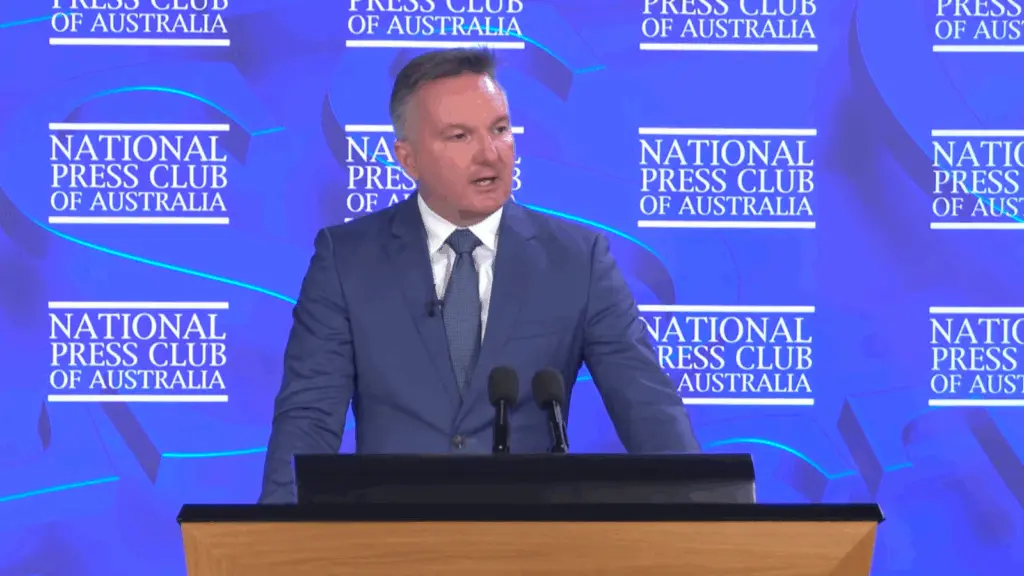
In the 2019 federal election, Labor’s proposal to abolish cash refunds for excess franking credits went down like a lead balloon. So, will the $3 million cap proposal see Labor revisit history?
Tax on unrealised assets is virtually unheard of in Australia, and imposing one on fund members sets a dangerous precedent according to the SMSF Association, which says it’s “completely unreasonable” for retirees to plan for “such a radical departure from existing policy”.

It seems that while the older generations may be tilting towards simplification, the younger generations are looking for control and engagement. For financial advisers, this is a trend worth noting.
The government’s plan to increase taxes on super balances above $3 million will have a costly impact on the SMSF sector, with thousands of members likely to face liquidity stress, according to new research from the University of Adelaide’s International Centre for Financial Services.
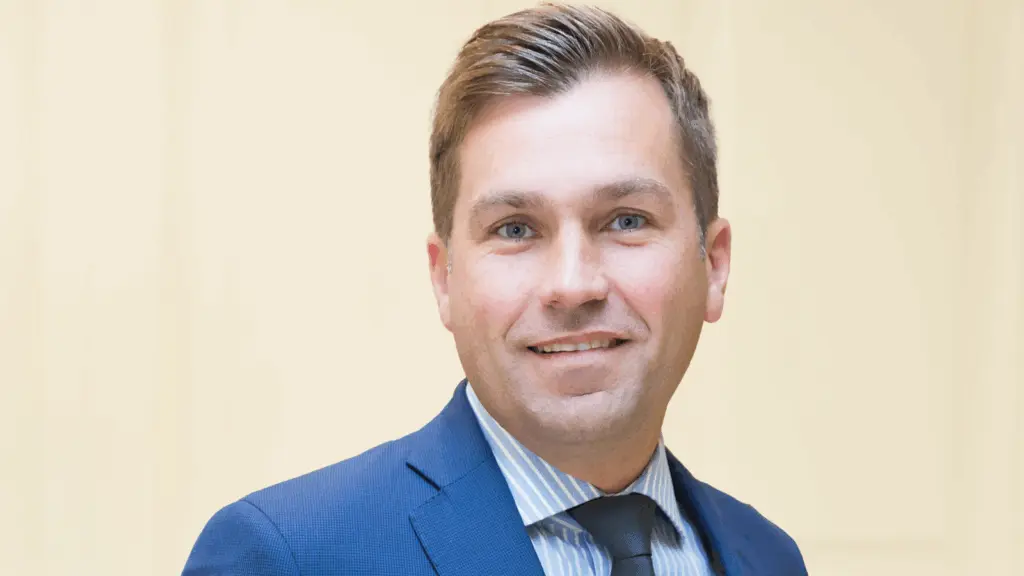
A visit to an adviser at a young age gave Paul Nicol pause for thought. Instead of just investing with the help of a financial planner, why not put in the hard work and become one?

Despite facing rising interest rates, a higher cost of capital and concerns about their borrowing base, non-bank lenders have made their place in the Australian economy in moments like this, when funding is needed and otherwise hard to get, says Thinktank’s Jonathan Street.

With new data showing offshore share investments comprise just 2 percent of total self-managed superannuation fund assets in Australia, advisers are warning SMSFs against overreliance on domestic shares and cash and urging diversification.

More cranes signal greater construction activity and point to a sound economic outlook. Property lender Thinktank examines the current skyline and what it means for the market.
The test allows investors who can certify that they earn $250,000 a year or have more than $2.5 million in net assets to access higher-risk securities normally off-limits to individuals. But many say the test is confusing and outdated, and an independent statutory body has called for an update.
While the move to tax superannuation balances above $3 million at a higher rate would affect only a handful of people at first, if the threshold is not indexed to inflation, future generations may be turned off from investing in their super, industry leaders say.

The Treasurer’s plan to limit concessional tax treatment within super at $3M comes without a lot of the details required for effective retirement planning. Making bold changes now could be costly, says Wattle Partners principal Drew Meredith.
Peter Burgess told the SMSF Association’s National Conference the industry group has pushed for some of the developments, while it continues to oppose others, such as a high-balance cap. The government now plans instead to double the tax rate for funds with very high balances.
The success and popularity of SMSFs has also given several hundred thousand people direct access to their retirement savings. More concerning, the ATO believes, is that fraudsters are starting to take notice.
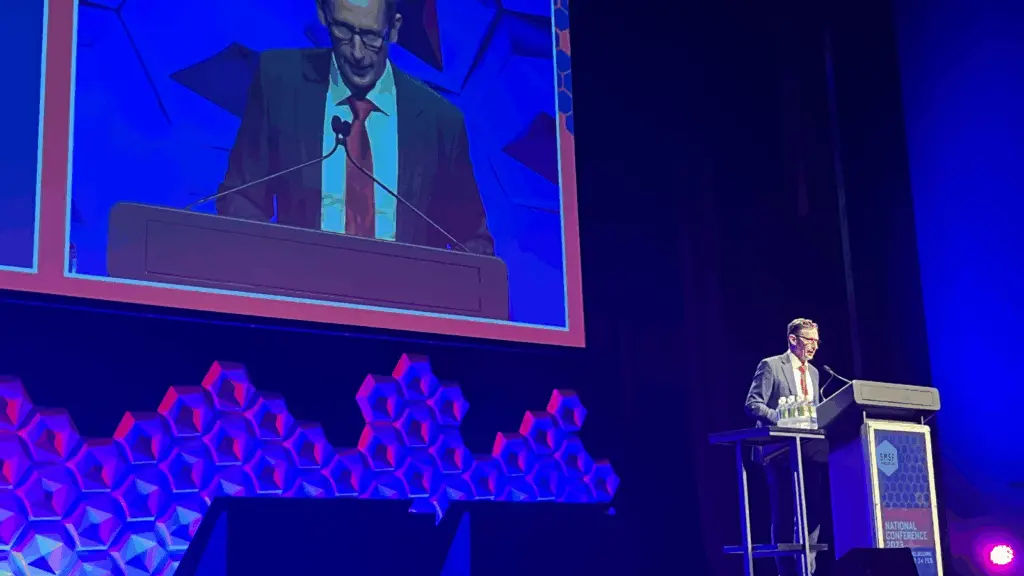
Speaking at the SMSF Association’s National Conference, the assistant treasurer called out “modern-day Edmund Hillarys” seeking to raid Australia’s “Mount Everest of superannuation” as he pressed the need for an objective for super that prioritises preservation.