Monday 8th June 2026
No delays, no exemptions: the countdown to Division 296 is on
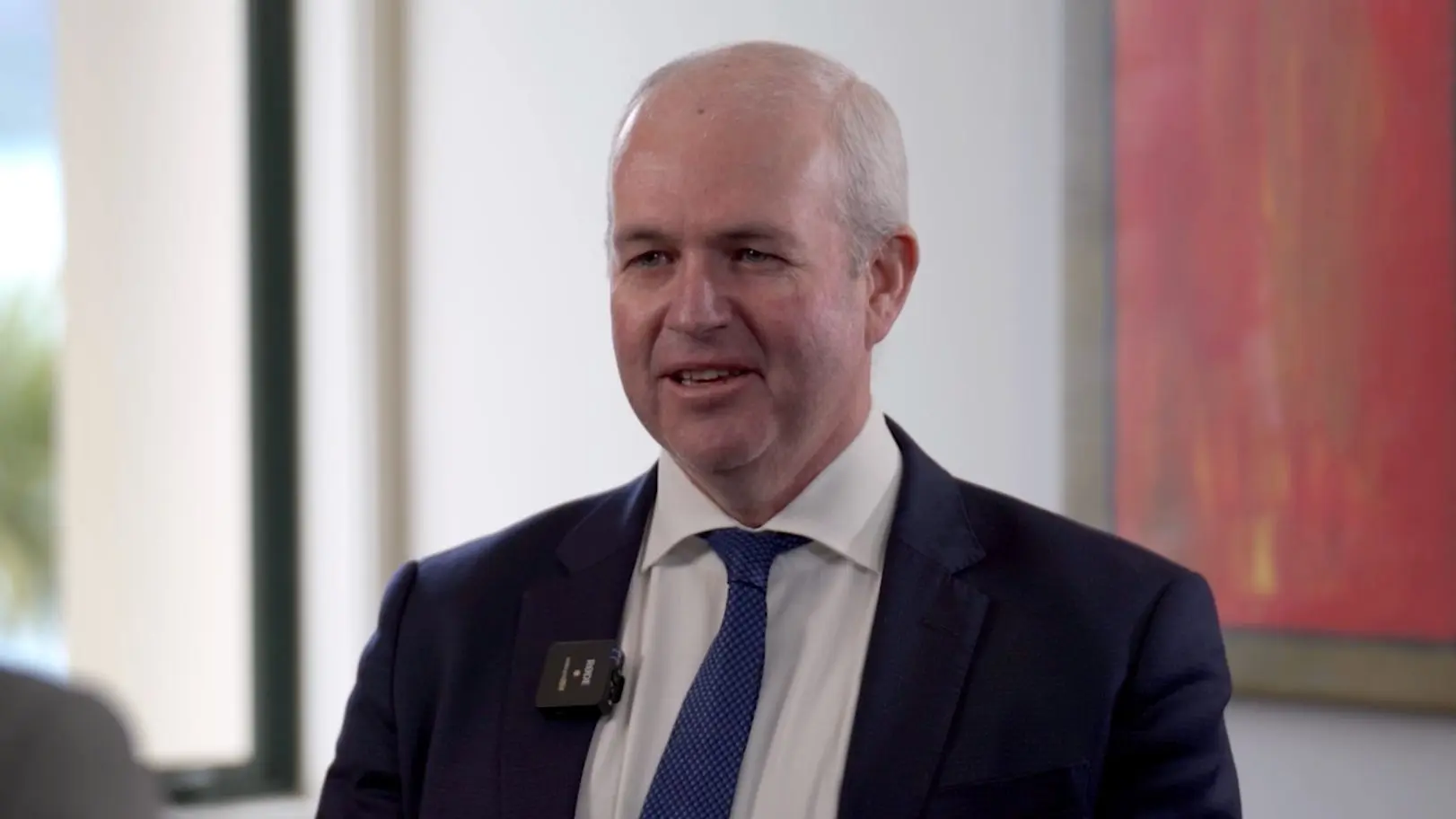
Division 296 reshapes wealth planning, adding tax on super balances above $3 million. Advisers must act quickly to safeguard client structures before looming fiscal deadlines.
For years, Division 296 felt like a problem that would eventually be softened, delayed or quietly shelved. The 2026-27 Federal Budget put that thinking to rest. It is coming into effect on July 1; the thresholds have not moved and there is no relief on offer.
Craig Brooke, chief executive of KeyInvest, an Australian Prudential Regulation Authority (APRA)-regulated, member-owned mutual and specialist provider of tax-effective investment bond solutions, did not mince words in his response to the Budget. “The Budget is one of the most significant for wealth structuring in a generation,” he says.
Far from overstatement, the confirmation of Division 296, the overhaul of the capital gains tax (CGT) discount, and the introduction of a minimum 30 per cent tax on discretionary trusts together mark one of the most significant reshaping of wealth structures for high‑net‑worth clients in recent memory.
What has actually changed
Division 296 imposes an additional 15 per cent tax on superannuation earnings for individuals with balances above $3 million. It proceeds as legislated, with thresholds indexed to the consumer price index (CPI) rather than asset price growth.
“With thresholds remaining CPI-indexed rather than linked to asset price growth, the cohort of affected clients will only grow over time”
Brooke explains, what feels targeted today will evolve into a structural issue for a far broader group of Australians over the next decade.
The CGT changes compound the pressure. The government is replacing the 50 per cent CGT discount with inflation-linked indexation and introducing a 30 per cent minimum tax on gains from July 1, 2027. Directly held investments outside superannuation just became considerably less attractive as an alternative structure.
The trust question looms large, with discretionary trusts set to face a minimum 30 per cent tax from July 1, 2028. The change strikes at the heart of one of the most widely used structures for managing wealth outside superannuation among high‑net‑worth clients.
For decades, trusts offered a clear advantage in flexibility and tax efficiency. But according to Brooke, that advantage is now materially diminished.
Where advisers need to look
The Budget has effectively narrowed the field of genuinely tax-effective structures available to clients. Investment bonds are one of the few that emerge from these changes with their proposition intact, and in some cases strengthened.
Unlike directly held investments, investment bonds do not trigger CGT events on internal switching or rebalancing. Earnings are taxed internally at a maximum of 30 per cent. Withdrawals are tax-free after 10 years. There is no annual personal tax reporting required.
As a friendly society structure, KeyInvest’s investment bond sits entirely outside the new discretionary trust measure. “Tonight’s Budget makes that proposition more compelling than ever,” Brooke says.
The practical implication is worth sitting with. The structures that worked for clients five years ago deserve a fresh look. Some will still hold up well; others may not.
The window for planning is now
The changes do not all land at once. Division 296 takes effect on July 1 this year. The CGT minimum tax follows in 2027. The trust measure arrives in 2028. That staggered timeline might suggest there is breathing room, but only barely.
Clients with significant superannuation balances, direct investment portfolios or trust structures need advice now, before the first change takes effect and while genuine restructuring options are still available.
“The task is no longer about understanding these changes, it is about acting on them,” Brooke says. “Advisers who engage early and position clients across a genuinely diversified set of structures will be best placed to navigate what comes next.”
Three changes, three deadlines. The advisers who treat the first one as the starting gun will be the ones their clients thank when it is all over.

Cristina is a contributor and content manager at The Inside Network.