Thursday 23rd July 2026
Inside the property sector where healthcare demand is doing the heavy lifting
As traditional office struggles for relevance, US medical office buildings offer advisers a cleaner story of income resilience, demographic growth and structural demand.
Real estate investing often comes back to a deceptively simple question. Traditional office assets are struggling. Defensive alternatives are crowded. So where do investors go to find durable income and structural growth?
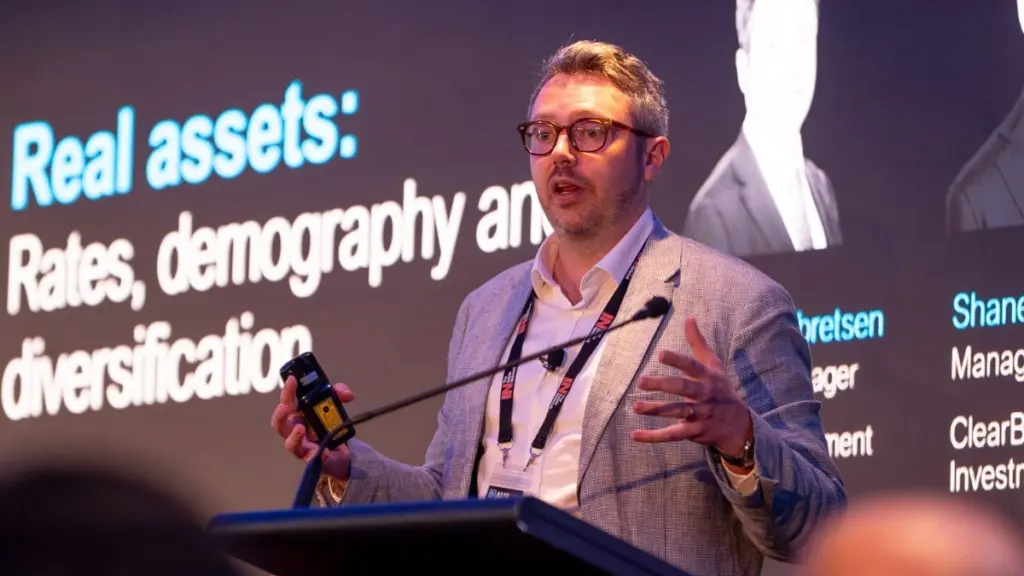
For Harrison Lane, investment director at Apostle Funds Management, the answer increasingly leads to US medical office buildings. A specialised corner of the property market that sits at the intersection of healthcare demand, ageing demographics and the long-running shift away from hospital-based treatment.
“The US medical office sector offers a defensive, income-oriented exposure to real estate, providing stable cashflows, high tenant retention and attractive long-term growth potential,” Lane notes, drawing on insights from Kayne Anderson Real Estate, the largest private non-hospital owner and operator of medical office buildings in the US.
The thesis is not that medical office is immune from risk. Rather, it is that the sector has a different demand profile from traditional commercial property, and that difference matters.
Starting with the sector
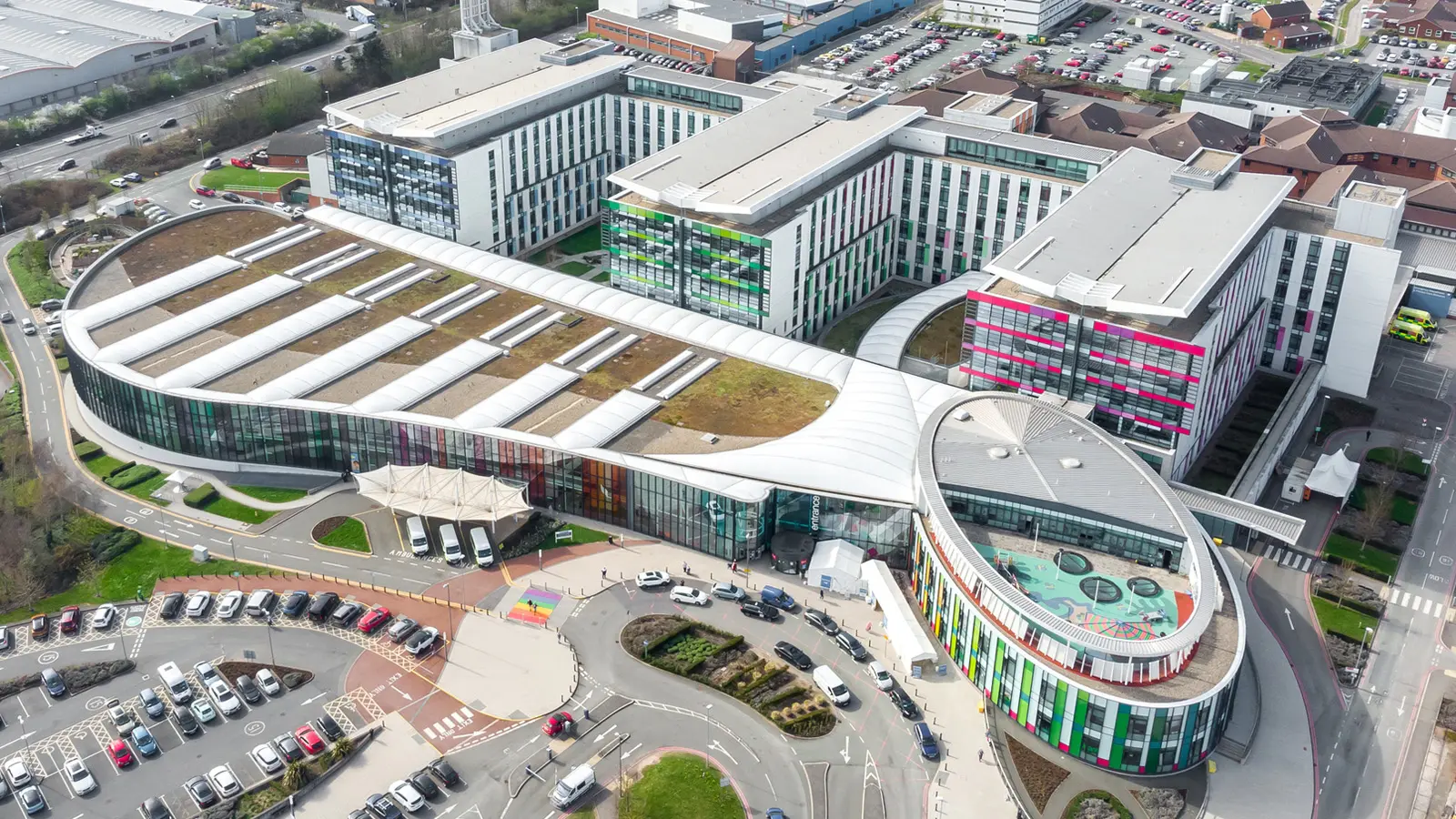
Medical office buildings, often referred to as MOBs, include specialist clinics, imaging centres, ambulatory surgery facilities and other outpatient healthcare settings. They are typically located either on hospital campuses or in community-based medical precincts.
This makes them materially different from conventional office assets. Tenants are not simply renting desks. Investors are pouring capital into clinical fit-outs, specialist equipment, regulatory compliance, and patient relationships, all deeply anchored to a single physical location.
That stickiness shows up in the numbers. According to the Apostle research, informed by Kayne Anderson and GlobeSt data, tenant retention rates in US medical office are around 80 per cent, materially higher than traditional office.
On top of this, leases tend to be long dated and frequently include contractual rent increases baked in from the outset.
“Unlike traditional office, MOBs are highly specialised and require significant tenant investment in fit-out, equipment and regulatory compliance. This creates a structurally more stable demand profile, with tenants closely tied to their locations and exhibiting higher retention rates.”
The demographic tailwind
The most important driver is not cyclical, but demographic. The US population is ageing rapidly, with around 11,000 people turning 65 each day. The 65-plus cohort is expected to reach about 81 million by 2040, up from 65 million in 2025 and 35 million in 2000.
The demand case rests on demographics. Older populations use healthcare services at a significantly higher rate than younger cohorts, and as America ages, demand for doctors, diagnostics, specialist care and outpatient procedures grows with it.
The US population aged 65 and over has risen from 17 million in 1960 to an expected 81 million by 2040, creating a long-term demand curve that is difficult to replicate in other property sectors.
Why outpatient care matters
Demographics alone are not the whole story. The other structural driver is the shift from inpatient hospital care to outpatient treatment.
Advances in medical technology, pressure to reduce healthcare costs and patient preference for more convenient care are all pushing procedures into lower-cost settings outside major hospitals. According to the research, inpatient admissions have declined 20 per cent since 2000, while outpatient visits have grown 28 per cent over the same period.
That shift directly supports demand for medical office space near population centres and within established healthcare networks.
“Outpatient volumes are expected to continue growing ahead of overall population growth, directly supporting demand for medical office space,” Lane notes.
A defensive profile, but not a passive one
The defensive characteristics of the sector are clear. Healthcare demand is largely non-discretionary. Patients continue to need consultations, scans, treatment and procedures through different economic cycles. That supports occupancy, rent collection and lower tenant default risk.
At the same time, barriers to entry are meaningful. Medical office assets often require specialised design, clinical infrastructure, regulatory knowledge and integration with hospital systems or healthcare networks. New supply is not as simple as converting a generic office building into a healthcare hub.
There is also a tenant quality story emerging. Healthcare consolidation, including the acquisition of physician practices by larger hospital and corporate groups, is improving tenant credit quality and increasing demand for institutional-grade assets.
Where selection still counts
As with all real estate sectors, the macro tailwind only gets investors so far. The underlying asset still matters.
There are several risks that require discipline, including tenant credit variability among smaller operators, reimbursement risk from government funding programs and the importance of location within established healthcare ecosystems. Assets may also require ongoing capital expenditure to remain clinically relevant.
Lane argues this is where specialist management becomes essential.
“We believe specialist managers are well positioned to assess and manage these risks through disciplined underwriting, tenant selection and active asset management,” he says.
For Australian advisers, the appeal of the sector lies in this combination of characteristics. Medical office delivers real estate income, but ties its demand drivers to healthcare usage rather than corporate hiring cycles or CBD occupancy.
The broader conclusion is that sector choice still matters. In a property market marked by dispersion, medical office is not simply another form of office. It is healthcare infrastructure with leases attached, and for investors seeking income resilience, that distinction may be increasingly important.

Laurence Parker-Brown is head of content at The Inside Network and managing editor of The Inside Adviser and Investor Strategy News.