Wednesday 3rd June 2026
Forget the mega-caps: the real AI money is flowing somewhere else
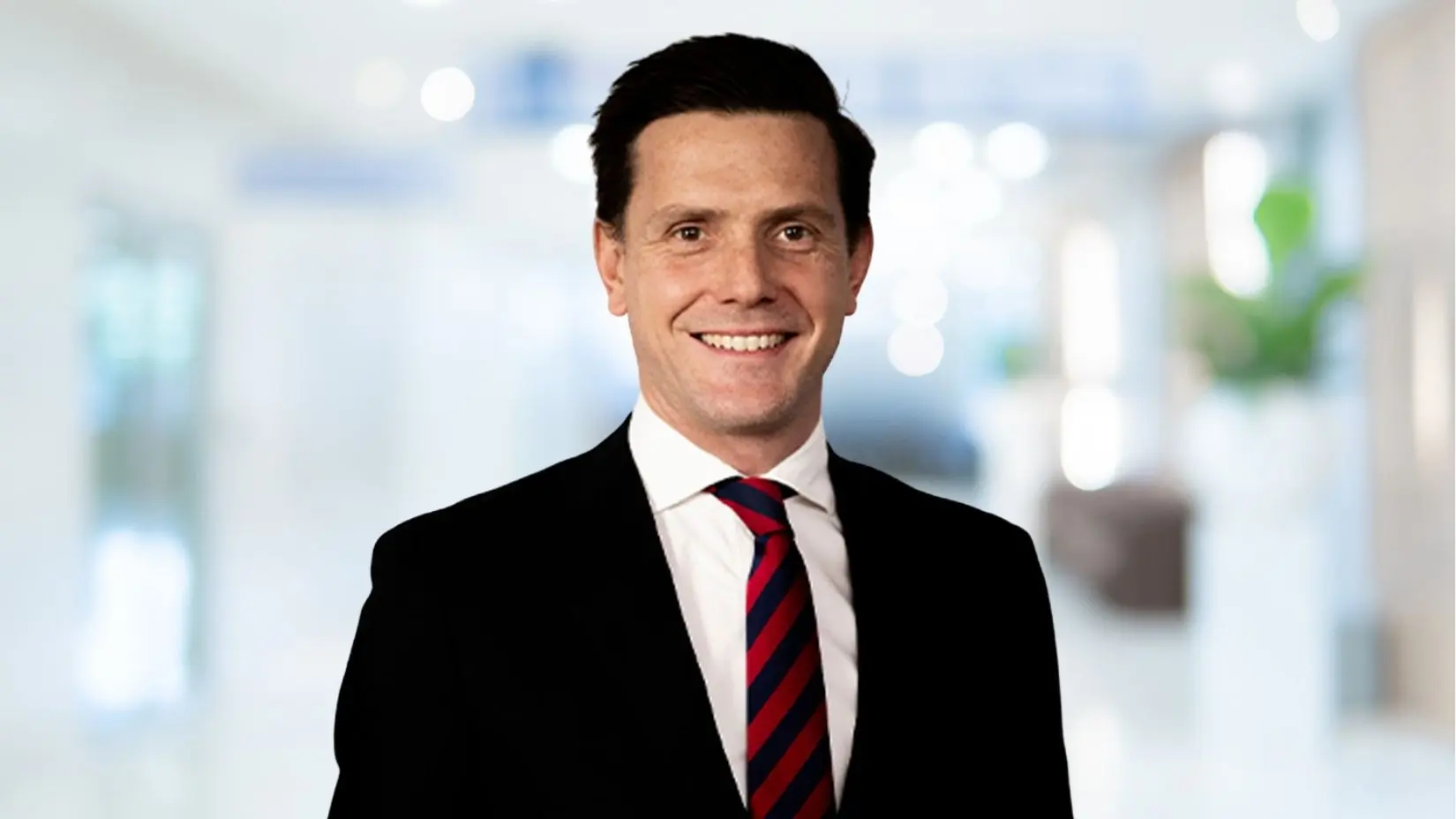
Ellerston Capital bets on AI infrastructure as the bottleneck shifts to physical assets, where overlooked small-caps provide the raw power and data center scaffolding that fuels the entire revolution. Markets are fixated on the AI mega-caps. But Ellerston Capital's Nick Markiewicz believes that the real opportunity sits further down the market capitalisation spectrum; in the smaller companies quietly building the physical scaffolding the AI revolution depends on.
Markets are fixated on the AI mega-caps. But Ellerston Capital’s Nick Markiewicz believes that the real opportunity sits further down the market capitalisation spectrum; in the smaller companies quietly building the physical scaffolding the AI revolution depends on.
The infrastructure nobody is talking about
Markiewicz reveals how real-world AI adoption has hit a tipping point, with usage accelerating sharply in recent months.
The momentum is doing more than silencing sceptics. It is creating sustained demand for the physical AI infrastructure to run, and much of that infrastructure is owned by smaller, lesser-known companies sitting well outside the spotlight.
The numbers are striking. Capital expenditure among AI mega-caps is expected to reach US$700 billion in 2026. “That is more than double what it was only 18 months ago,” Markiewicz says. “The overall picture is one of a capital cycle that is deepening rather than plateauing, with demand signals firm enough that the largest spenders are explicitly committing to further increases in 2027.”
For smaller companies with exposure to that spending, the implications are hard to ignore. Over the past five years, a wave of fresh revenue has effectively materialised out of thin air, flowing directly to businesses that found themselves in the right place as the AI trade took off.
Where the real bottleneck lies
Not every small-cap with an AI connection is worth owning. Markiewicz is pointed about where genuine value resides, and it is not in the software or model layer.
“One consistent theme from the recent reporting season is that the AI bottleneck has visibly shifted from model capability to infrastructure like power, cooling, and data centre capacity.”
AI infrastructure’s physical constraints, spanning land, grid access and water, are not problems that can be solved overnight. Markiewicz says this could take years to work through given the pace of current demand. However, he adds that the scarcity is exactly what makes these companies worth owning.
Businesses that have already locked in hard-to-replicate assets, think land, power and cooling infrastructure, are sitting in the sweet spot as AI spending searches for somewhere to go. The bottlenecks are real and the capital has to flow through them.
The case for ‘old world’ businesses
Markiewicz sees just as much opportunity in businesses that have nothing to do with AI. While the market chases the same handful of names, he is backing companies that are simply too entrenched to be disrupted.
Markiewicz is clear that owning only AI is a mistake. The businesses worth pairing with it are the unglamorous ones with deep roots, strong pricing power and steady earnings growth that AI is unlikely to touch. In a jittery market, that combination of stability and upside is harder to find than most investors realise.
Waste management is also firm favourite: local monopolies, steady price increases, active acquisition pipelines and valuations the market has largely ignored. Construction and fracking services tell a similar story.
Fund performance
Markiewicz manages the Ellerston Global Mid Small Cap Fund. In April, it returned 11.4 per cent against the MSCI World Mid Cap Index benchmark of 2.7 per cent. Over the past year, the fund has grown 31.7 per cent, outperforming the benchmark by 10.8 per cent.
One standout contributor in April was SharonAI, which rose 69 per cent across the month. “SharonAI is one of the few Nvidia cloud partners in Australia with potentially attractive power, financing, and customer opportunities,” Markiewicz says. “If realised, we believe the company is likely to grow earnings significantly.”
SharonAI plans to follow its United States listing with an Australian initial public offering in the coming months.
The Ellerston thesis cuts against the grain of a market conditioned to chase size and familiarity. As the AI buildout matures and capex flows deeper into the supply chain, the case for looking beyond the mega-caps grows harder to dismiss. The physical constraints underpinning the entire ecosystem sit firmly in the hands of smaller, less-covered businesses. They are only beginning to draw serious attention.

Cristina is a contributor and content manager at The Inside Network.