Monday 3rd August 2026
AMP brings employer and adviser engagement under one leader

AMP has merged its employer, account management and adviser teams into one new unit, hiring Richard Millington from Rest to lead AMP Super corporate super as retirement income competition intensifies.
One phone call to AMP used to reach three different teams. From August, it reaches only one.
AMP is merging the teams that manage its employer and adviser relationships into a single unit, and it has hired from a rival fund to run AMP Super’s corporate super business.
The role is new because the structure changed. AMP has folded its Business Development, Account Management and Adviser Partnerships teams into one reporting line, giving employers and advisers a single point of leadership instead of three separate ones.
For advisers who deal with AMP Super corporate super mandates, that consolidation is the real story, more than the appointment itself.
From Rest to AMP Super
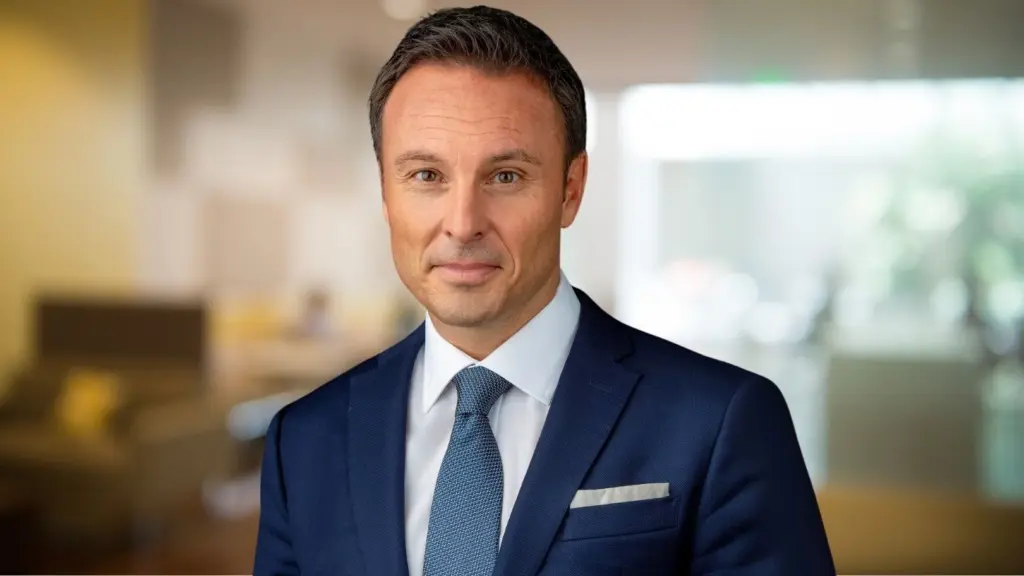
Richard Millington will join AMP on 24 August 2026 as director, employer and adviser partnerships, a newly created role.
He arrives from Rest, where he helped build the fund’s workplace superannuation capability. Before that he held senior distribution roles at MLC and Munich Re.
Why AMP made the change
The move is a part of a wider pattern. Super funds have spent the past two years building out dedicated distribution and adviser-engagement functions. The competition is intensifying, as funds chase employer default arrangements and a growing pool of members entering retirement.
The Retirement Income Covenant has pushed funds to formalise how they support members drawing down their balances. That work increasingly runs through the same relationships advisers and employers already hold with a fund’s super arm.
Combining those functions under one leader is a bet. The assumption is that a single team can move faster on both fronts than separate ones could.
AMP’s group executive for superannuation and investments, Melinda Howes, says the appointment was designed to strengthen that combined approach:
“Bringing these teams together under one leader will help us work even more closely with employers and advisers as they support Australians to maximise their retirement income.”
She points to Millington’s track record building teams across superannuation and insurance as the reason for the hire, saying his experience would help AMP “strengthen the support, service and solutions we provide to employers, advisers and members.”
Millington says the corporate super history at AMP was part of the draw.
“I’ve long admired AMP for its history in Australian financial services, particularly in corporate super,” he says. “I’m looking forward to working closely with our partners to help more Australians prepare for retirement with confidence.”
What the shake-up means for advisers
None of that changes the questions advisers will actually want answered once Millington starts: who their day-to-day contact is now that three teams report to one person, whether service levels hold up during the transition, and whether the combined structure produces faster answers on employer default arrangements or slower ones while the new team beds in.
AMP has not yet detailed how existing account management relationships will be reallocated under the new structure.
Millington’s move continues a run of senior distribution hires shifting between funds this year. Super funds increasingly treat employer and adviser relationships as a competitive front rather than a back-office function.
Whether AMP’s version of that bet pays off will show up in the numbers that matter to advisers. That means how quickly employer queries get resolved, and how much attention corporate super clients get relative to funds that have kept these teams separate.

Cristina is a contributor and content manager at The Inside Network.