Monday 16th November 2026
Private credit puts the questions behind a recommendation in focus
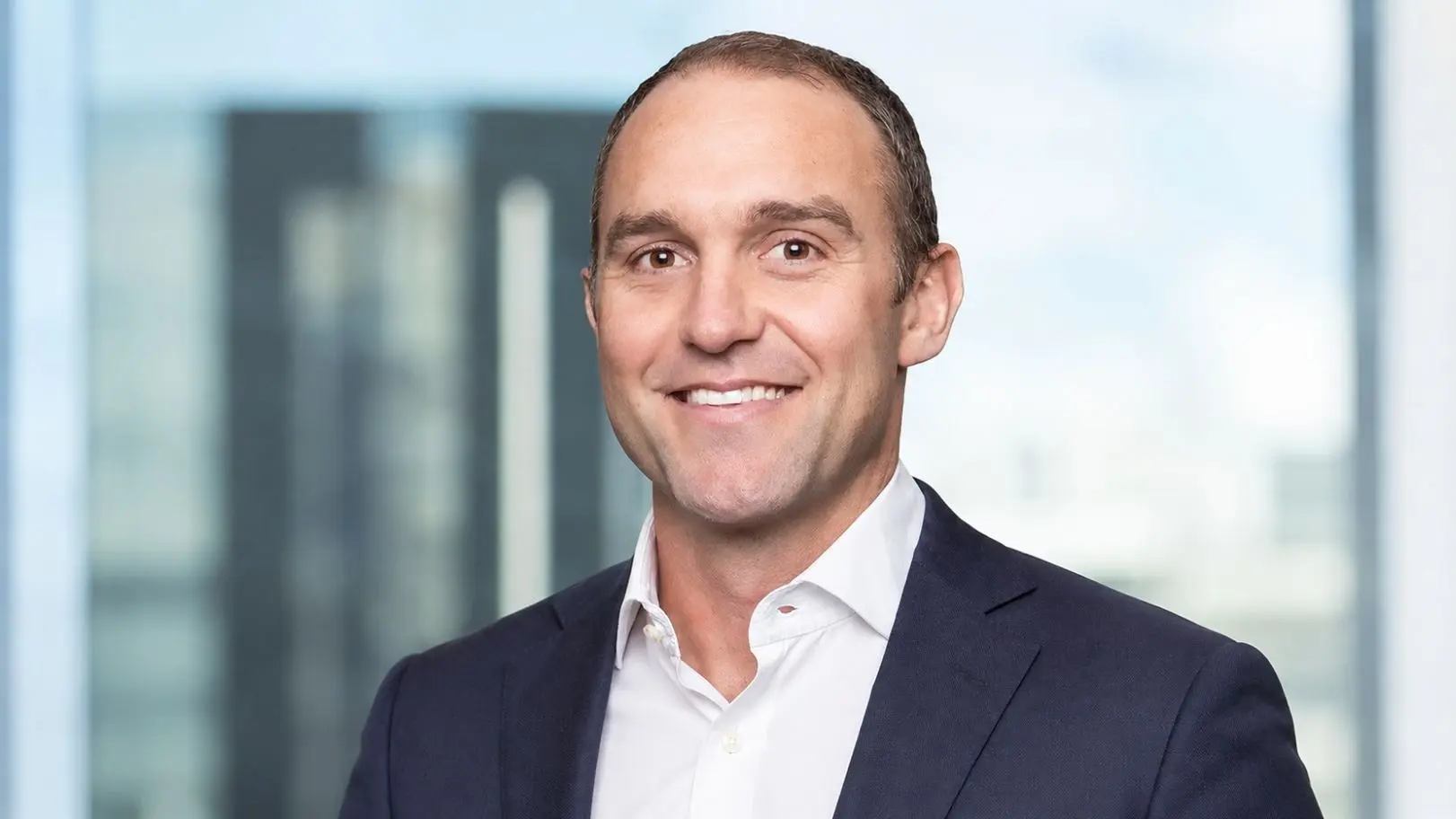
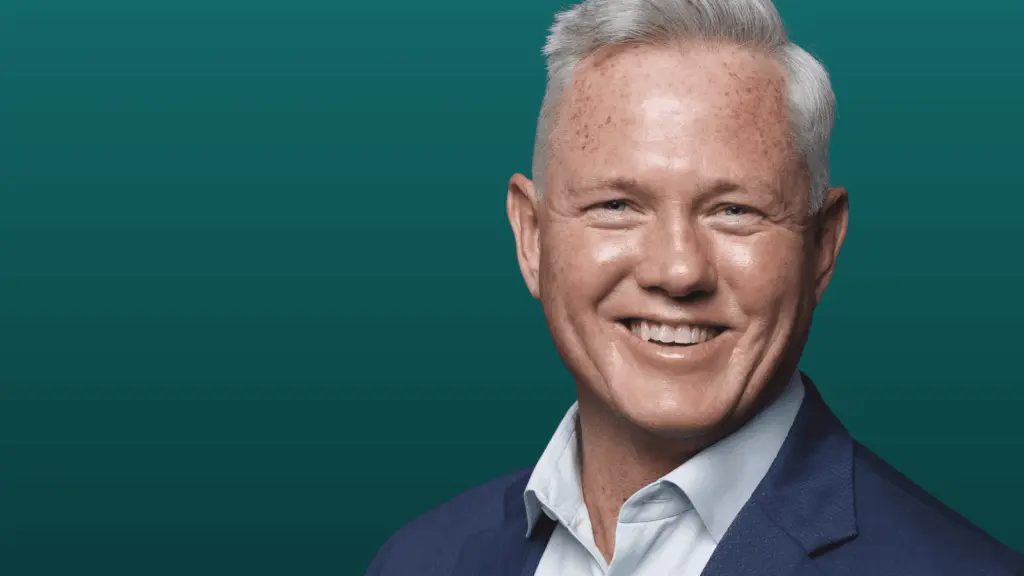
Stuart Haigh of Spire Capital says advisers should be testing how private markets managers select, value and structure their investments before recommending a semi-liquid fund.
Private markets have moved towards the centre of the advice conversation. Semi-liquid funds offer monthly or quarterly access to private credit, private equity, real estate and infrastructure.
As the range of products widens, so does the work that comes before a recommendation. The questions an adviser puts to a manager now carry as much weight as the choice of asset class.
That is the view of Stuart Haigh, partner and head of investments at Spire Capital. ASIC released its second review of the sector this week. The review covered 24 private credit funds with a combined $18 billion in assets. It found that complex structures, opacity and deficient disclosure practices persist across parts of the market.
Haigh says the findings serve as a reminder. Manager selection, governance and how exposure is structured matter as much as the asset class itself.
“Access to private markets is everywhere now, so the harder question is how to build a portfolio, and what matters for any investor is knowing what they own, how it’s valued and how liquidity works,” he says.
Questions
Spire Capital approaches semi-liquid funds with a set of questions it wants answered early, and Haigh sees them as equally useful for advisers.
“When we access a semi-liquid fund, there are a range of factors we want to understand before anything else, and they are the same things I would encourage advisers to look at before recommending one.”
Valuation sits near the top of that list. Haigh says advisers “should understand how a manager values its assets and who checks those valuations.” Cost is the next consideration, and he encourages advisers to “look at the total cost of a client’s portfolio, including every layer of fees.” In a structure where a fund may invest through other funds, that full view of fees gives a clearer picture of what a client is paying for the exposure.
Advisers should also ask how selective a manager is, according to Haigh, noting that the most important decision in private markets is often saying no. Spire Capital declined 97 to 99 per cent of the opportunities it screened in the two years to 30 June 2026.
Liquidity
In Haigh’s thesis semi-liquid funds don’t create liquidity, they manage it. The problems arise when investors treat monthly or quarterly liquidity as a promise rather than a feature with conditions attached, and when they overlook the differences between funds.
How a fund meets its redemptions matters as much as how often it offers them.
“A fund that relies on a single exit, whether that is a cash buffer, new applications or one underlying manager, has nowhere else to turn if that source dries up.”
That necessitates a closer reading of how each manager builds its fund. This includes the sources of liquidity the fund can draw on and how those sources would hold up if one of them slowed. Two funds offering the same redemption frequency can behave quite differently when conditions change, which makes the structure beneath the headline terms an important part of the research.
Founded in 2009, the Sydney-based firm has committed and deployed more than $2.2 billion across private equity, private credit, private real estate and private infrastructure on behalf of Australian advisers, family offices and private investors.
Haigh sees a lasting place for private markets in a lot of client portfolios. Understanding how each fund’s liquidity works is likely to be time well spent in later client conversations. That applies when adding semi-liquid funds to those portfolios.

Laurence Parker-Brown is head of content at The Inside Network and managing editor of The Inside Adviser and Investor Strategy News.