Thursday 19th November 2026
Values-based investing grows up: why Perennial is winding down its impact funds
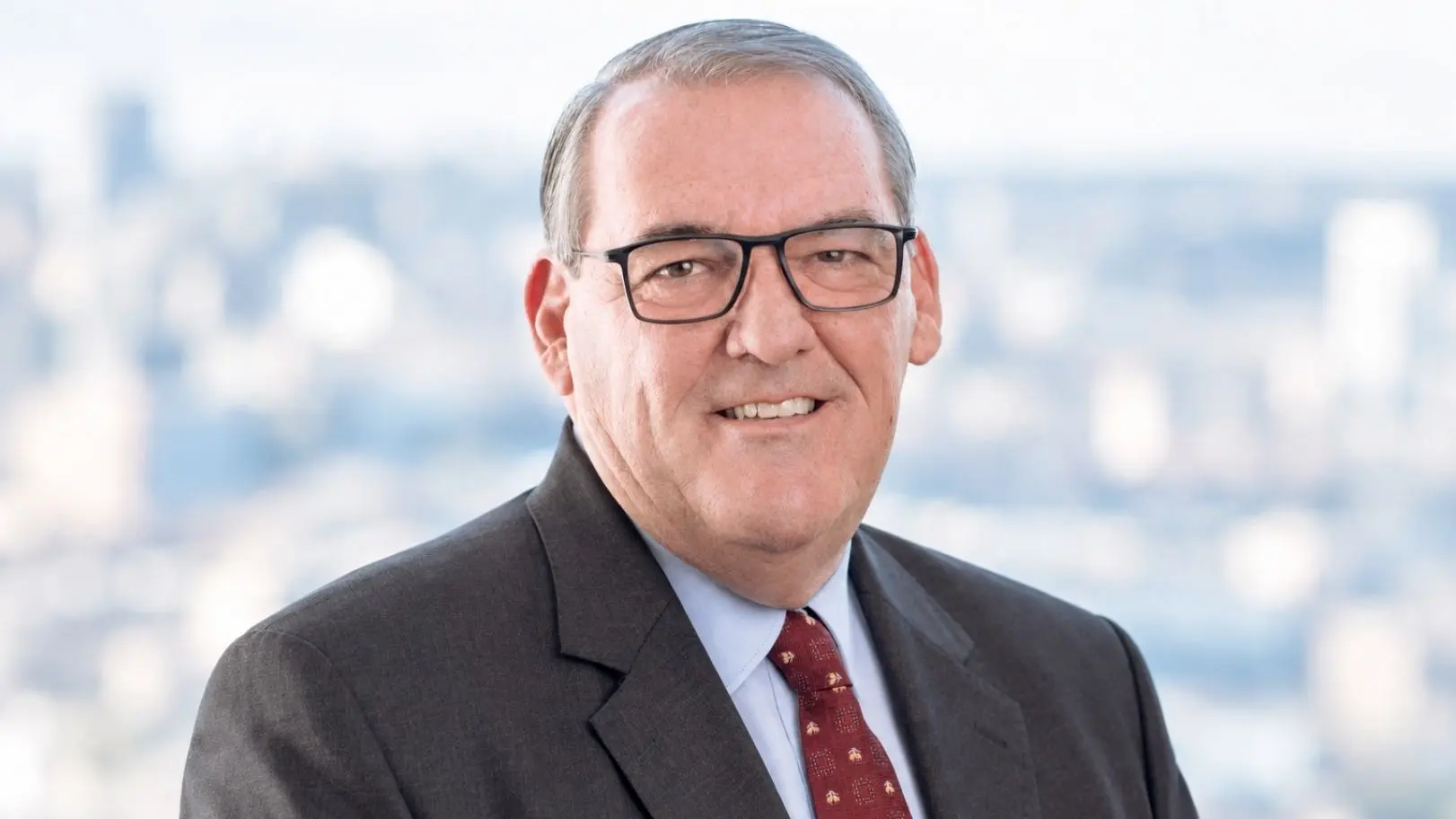
Perennial Partners is winding up three specialist responsible investment funds, and executive director Anthony Patterson says the reason is a good one: ESG principles have moved from niche product to core practice.
When a fund manager closes its responsible investment funds, the easy reading is retreat. Perennial Partners is encouraging advisers to read the opposite, that ESG principles have moved from the edge of the market to the centre of it.
The Melbourne-based manager confirmed on 7 September that three specialist responsible investment funds will close, with capital returned to investors through an orderly wind-up. The funds are the Perennial Better Future Trust, the Perennial Better Future Active ETF and the Melior Australian Impact Fund.
Together they manage about $140 million. The Better Future strategy holds small-mid cap positions and Melior holds large-cap positions, both in Australian and New Zealand listed companies.
The number is modest against the roughly $8.1 billion Perennial runs across its stable of specialist teams. What matters more is the reasoning, and it is an argument about how far the discipline has travelled.
ESG principles go mainstream
Anthony Patterson, executive director at Perennial Partners, puts the decision down to success rather than disappointment.
“Sustainable investing in Australia has evolved considerably since we first established the Better Future Trust in 2018,” Patterson says. “Investors are increasingly accessing the market through their core strategies integrating ESG principles, rather than via standalone specialist products.”
The point will be familiar for everyone in wealth who has built portfolios over the past decade. In 2018, a client who wanted their capital to reflect their values often had to buy a dedicated product to get it. That is no longer the case.
Responsible investment considerations now sit inside mainstream mandates as a matter of course. That changes what a standalone fund is for.
“With responsible investment considerations now embedded across most of our specialist investment strategies, we do not expect these funds to reach the scale needed to deliver on their investment objectives over the longer term,” Patterson says. “We will now commence an orderly process of divesting the assets and returning capital to investors.”
Scale is the operative word. A specialist fund needs a certain size to run efficiently and to hold its positions with conviction. When the same thinking is available across a manager’s broader range, the specialist vehicle competes with the firm’s own core strategies for flows, and the maths stops working.
Records set
It would be wrong to read the closures as a cooling on responsible investment at Perennial. The Responsible Investment Association of Australasia named the firm a Responsible Investment Leader again in 2026, the sixth consecutive year it has earned the recognition. That says something about how the discipline runs across the house, not just in one corner of it.
The wider market tells the same story. Australian investors have held their position on sustainable investing even as the approach has drawn political heat in the United States. RIAA’s 2026 assessments landed amid exactly that scrutiny. The direction of travel is toward integration, not away from responsibility.
“Sustainable investing in Australia has evolved considerably since we first established the Better Future Trust in 2018.”
Practicalities
There is a real cost to sit with. Investors who chose Better Future or Melior did so for a reason. They wanted the intentionality of a dedicated strategy, a portfolio built expressly around impact or a better-future lens. A wind-up asks them to find that exposure somewhere else.
Integration and intention are not the same thing. A core strategy that weighs ESG alongside everything else does not carry the same explicit mandate as a fund built solely for it. Some clients will feel that difference.
The profession has not fully settled that question: whether ESG principles folded into every strategy deliver what the specialist product promised, or whether something is diluted on the way.
Advisers with clients in either fund will want to have that conversation directly rather than assume a like-for-like replacement exists.
Perennial, for its part, has framed the wind-up around investor interests. “We are grateful for the mandate that investors charged us with, and we remain committed to ensuring their interests are protected and optimised through the wind-up process,” Patterson says.
Moving forward from here, the practical work is twofold. Clients holding units will need to understand the wind-up timetable and where returned capital goes next, and those who valued the explicit impact focus deserve a considered alternative rather than a default sweep into a core fund.
Ultimately, when a manager can close its flagship responsible investment funds and lose nothing from its responsible investment standing, the category has changed shape.
Values-based investing has not gone away. It has stopped being a product category outside the mainstream and become the way good portfolios are built.

Laurence Parker-Brown is head of content at The Inside Network and managing editor of The Inside Adviser and Investor Strategy News.