Monday 19th October 2026
Capital Group's systems and the rhythm of your practice
Capital Group’s incoming chief information officer arrives in November from a global bank rather than another fund manager, and his appointment gives advisers a plain reason to ask how a manager’s technology reaches client portfolios.
Capital Group’s incoming chief information officer arrives in November from a global bank rather than another fund manager, and his appointment gives advisers a timely prompt to ask how a manager’s technology reaches client portfolios.
Senior appointments tell advisers a good deal about a firm’s direction. With Capital Group’s new chief information officer due to start in November, the handover is only weeks away. For advisers running a practice, the appointment deserves a moment of attention before it takes effect.
For the role, one of the world’s largest active managers looks to a bank. It chooses a leader who has been running technology and operations as a single job.
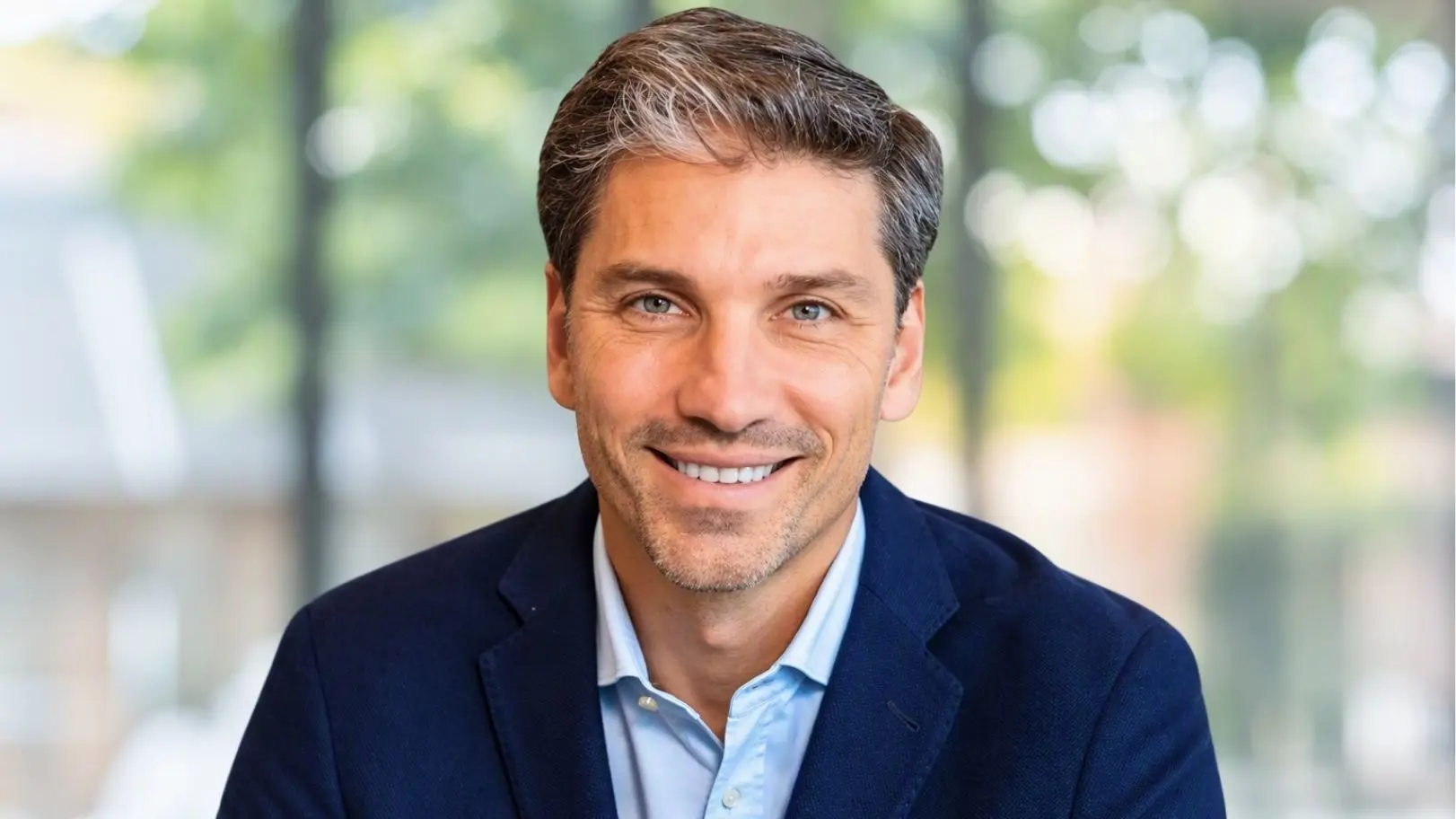
Guillermo Veiga joins in November from Standard Chartered, where he serves as group chief information and operations officer in Singapore. He relocates to California and succeeds Marta Zarraga, who has been at Capital Group since February 2021, having come from Aviva. Zarraga retires at the end of the year. Capital Group’s announcement dates from late August.
Capital Group manages US$3.6 trillion for wealth management and institutional clients, according to the firm, across 34 offices and more than 9,000 staff.
Veiga’s career starts as a hands-on technologist and takes in senior roles across Europe and Asia at Amazon Web Services, Cisco and Banco Santander. At Standard Chartered, he has been group chief information officer since May 2025, with operations added in June this year, a remit covering more than 50 markets.
FintechFutures reports that he has cut internal application complexity by roughly 40 per cent while deploying generative AI tools and a digital assets platform.
“Technology, data and AI play an increasingly important role in how we deliver investment excellence, serve clients globally and scale our business,” says Rob Klausner, chief operating officer at Capital Group.
Why a manager’s technology matters to a practice
Advisers assess fund managers on people, process and performance. The operating engine underneath gets less attention, although practices feel its benefits every week.
A chief information officer at a large manager owns unit pricing and reporting cycles. The role also covers the data feeds that populate platforms and portfolio systems, model portfolio delivery, onboarding, and the security of the client information the manager holds. When these systems work well, they disappear from view.
A report that arrives on time and reconciles leaves the adviser free to focus on the client conversation. That time is valuable to any practice.
Why Capital Group’s systems reach a Sydney practice
Scale sharpens the point. Capital Group serves Australian advisers through its financial intermediary business, led locally by head of client Jorden Brown since February 2025. The New Perspective global equity strategy serves as its flagship. A technology decision made in California turns up in a Sydney practice as a report that reconciles.
An hour saved chasing reports is an hour back with a client. Product provider reliability belongs in a practice’s due diligence, next to performance and fees.
AI is moving closer to the investment process
The more interesting part of the remit runs past reporting and into research. Managers already use language models to summarise filings, process documents and widen analyst coverage. Veiga has been direct about where he expects this to lead.
“Artificial intelligence, both its potential and its pace, is the most powerful force reshaping our industry.”
In comments to The Digital Banker in November 2025, he says he wants to apply AI responsibly, “to amplify human capability rather than replace it”.
That stance fits a firm whose identity rests on human analysts and a multi-manager system. Capital Group has always told advisers that its people generate the returns, and technology that makes those people sharper supports that approach.
Keeping expectations measured
Industry evidence on AI is still maturing, which makes measured expectations sensible. Oliver Wyman’s December 2025 outlook finds most asset managers piloting or implementing generative AI by adding agents to existing workflows. It describes productivity gains as “trapped” in legacy processes, with measurable profit and loss impact yet to appear at that point. Those findings describe a sector early in its learning curve.
The alternative data wave of the past decade offers a useful comparison. As access to the same feeds spreads, the edge lies in how well a manager uses the data.
Security is the other consideration. Veiga says AI, cloud and digital assets “open extraordinary possibilities, but they also expand the threat landscape”.
Any manager holding client data shares part of its operational risk with the advisers who recommend it, which makes strong security practices a natural topic for provider conversations.
Questions to put to a provider
With the final quarter under way, the appointment gives practices a useful prompt for their next provider meeting.
Practices can start by asking which parts of the investment process AI touches today, and how people oversee the decision. Where client data lives, who can reach it and how often the firm tests its defences are worth raising too. A third question is what has changed for clients over the past 12 months as a result of the technology budget.
The best answers carry a date and a number. A manager with a clear example of a decision shaped by a model shows how technology supports its investment edge.
Veiga arrives in November, and Zarraga stays on until the year closes. Advisers never see his work directly. They recognise it in reporting that arrives on time and data that reconciles across systems. They also see it in answers that come back the week they are asked.
Cristina is a contributor and content manager at The Inside Network.