Monday 21st September 2026
Perennial shuts its resources flagship, then builds a bigger one
Perennial Partners closed a resources fund after a 49.8 per cent year and launched a global version with ten times the runway. The fund capacity question behind it is one every adviser should ask.
Turning away money after a 49.8 per cent year takes some discipline. Perennial Partners has done exactly that, closing its Strategic Natural Resources Trust to new investors once funds under management reached roughly $304 million, a touch above the $300 million ceiling the firm set for itself.
In its place the manager has opened the Perennial Global Resources Trust, run by the same two portfolio managers, with an estimated long-term fund capacity near $3 billion.
The product launch will interest some advisers and not others. The mechanics behind it deserve everyone’s attention, because they explain something advisers assess constantly and rarely see stated so plainly: how much money a strategy can hold before its own size starts eating the returns that attracted investors in the first place.
Why managers cap a fund at all
Fund capacity does unglamorous work in a resources portfolio, as owning mid-cap and small-cap miners depends on being able to build and exit positions without moving the price. As the fund grows, each position must grow with it.
That leaves the manager with two options, and neither is attractive. They can take larger stakes in the same companies, which slows entry and exit, or drift up the market-cap scale into the large diversified miners every index fund already owns.
Both outcomes cost the investor something. Taking larger stakes raises the cost of every trade and the difficulty of every sale, while drifting upward quietly turns an active strategy into an expensive proxy for the benchmark.
The trouble for advisers is that this decay is almost impossible to watch in real time. The evidence shows up years later in a performance table, after the fund has quadrupled in size and the excess returns have faded.
A manager who closes early is choosing existing investors over new revenue, and advisers should treat that choice as a data point when they assess the firm.
What a wider mandate buys
The old strategy could hold up to 30 per cent of the portfolio offshore. The new one can hold up to 100 per cent. That single change explains the tenfold jump in estimated capacity, from $300 million to about $3 billion, because fund capacity follows the size and liquidity of the investable universe rather than the skill of the manager.
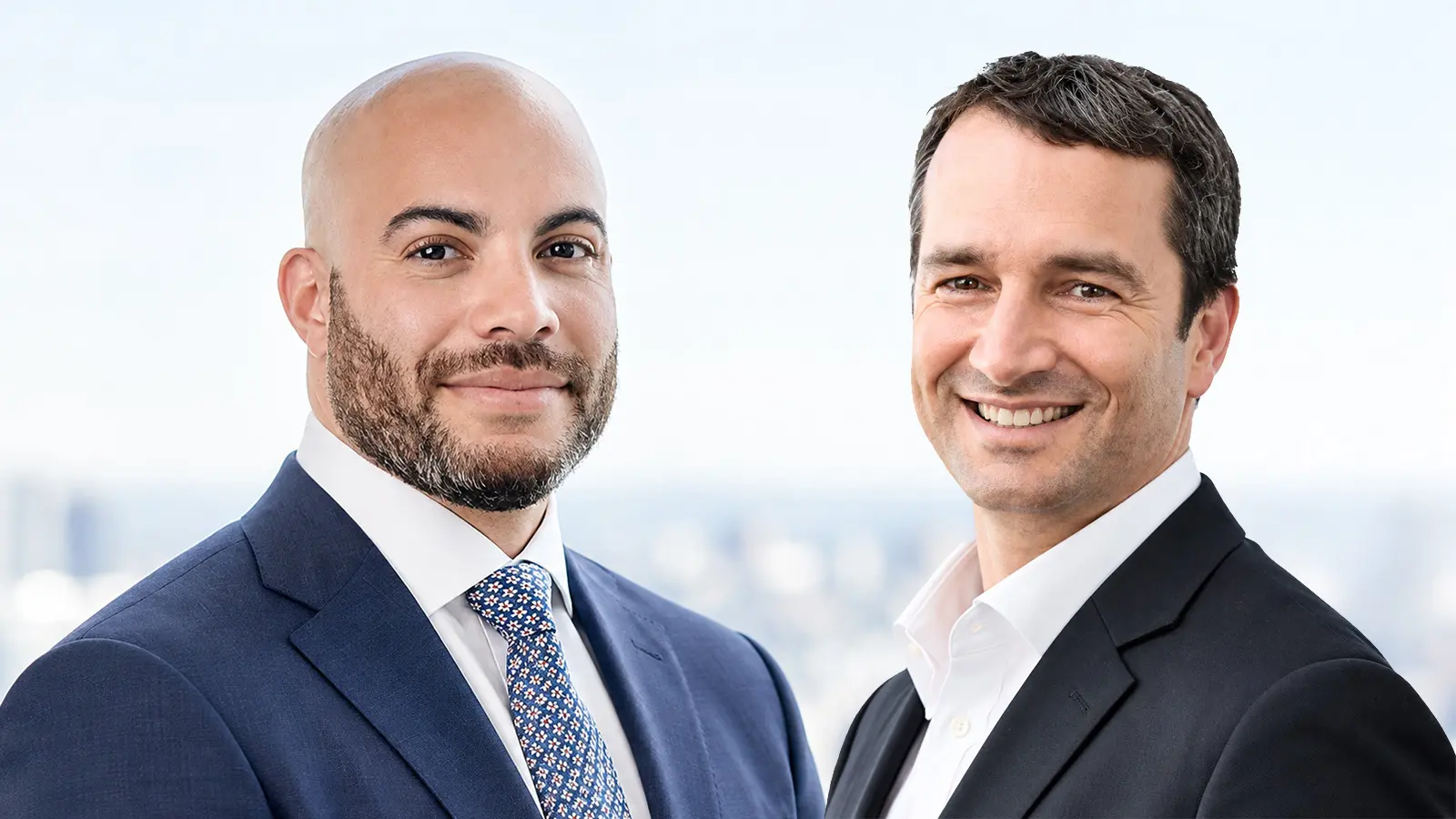
Ewan Galloway, portfolio manager at Perennial Partners, argues the offshore weighting reflects where the interesting companies now list.
“Australia remains one of the world’s leading resources markets, but many of the highest-quality listed opportunities across commodities such as copper, uranium, aluminium and energy are increasingly found offshore.”
That argument holds up against the shape of the local market. Australian investors get world-class exposure to iron ore, gold, lithium and coal. For copper at scale, for uranium producers, for aluminium and for the grid equipment story, the deepest listed markets run through Toronto, New York and London.
The demand case, and its history
The firm points to artificial intelligence infrastructure lifting demand for electricity generation, transmission networks, copper, aluminium and critical minerals. Electrification, energy security and geopolitical competition add to it.
Advisers have heard structural commodity demand stories before. The China supercycle argument of 2011 was correct about demand and wrong about equity returns, because supply responded and margins compressed.
Lithium ran the same course between 2022 and 2024. Resource equities discount expected demand quickly, then spend years digesting the capital that the expectation attracted.
The performance figures carry a similar caution. The closed strategy returned 31.1 per cent a year since inception, but that inception date reads 1 April 2020, within days of the COVID market low and at the start of a broad commodity upswing.
Strong manager skill and a favourable starting point both live inside that number, and separating them takes more than a one-page factsheet.
Portability is the question worth asking
Sam Berridge joined Perennial in 2012 after a career across mining operations, exploration and resources research.
Galloway arrived in 2016 from Deutsche Bank in London, where he advised resource companies on mergers, acquisitions and capital markets deals. The team stays the same, which answers the key-person question but raises a different one.
Australian small and mid-cap resources reward local knowledge: site visits, management access, a feel for which explorer keeps its promises. A global mandate spreads that same team across more companies, more jurisdictions and more regulatory regimes, with less proximity to each.
Advisers assessing the new trust should ask how the research process changes when the universe grows tenfold, how the manager handles unhedged foreign currency exposure, and whether a $57 million fund carries the trading costs of a much larger one.
“Our investment philosophy hasn’t changed,” Berridge says, adding that the opportunity set has.
What advisers can take from this
Fund capacity discipline separates managers who run a business from managers who run a portfolio.
A firm that closes a fund at $300 million and rebuilds the same capability with a $3 billion runway has told advisers a great deal about how it thinks and has also given itself a much larger commercial opportunity. Both statements are true at once.
A more rigorous approach is to ask every manager on an approved product list a simple question: at what level of funds under management does this strategy stop working, and what happens then?
Managers with a clear answer have thought about it. The rest will find out the expensive way.

Cristina is a contributor and content manager at The Inside Network.