Thursday 6th August 2026
SpaceX broke every IPO record except the one that matters for index funds
Franklin Templeton says AI mega IPOs will ease S&P 500 concentration and force AI companies to show real numbers. The evidence says the diversification benefit arrives later, and through different benchmarks, than the pitch suggests.
Every model portfolio built around a broad index carries the same problem right now. S&P 500 concentration in a handful of AI-linked mega caps sits at a record share of the index, and it is not unwinding on its own.
Fund managers have started pitching a wave of AI mega IPOs as the fix. But based on evidence, the fix will take long and work differently than the pitch suggests.
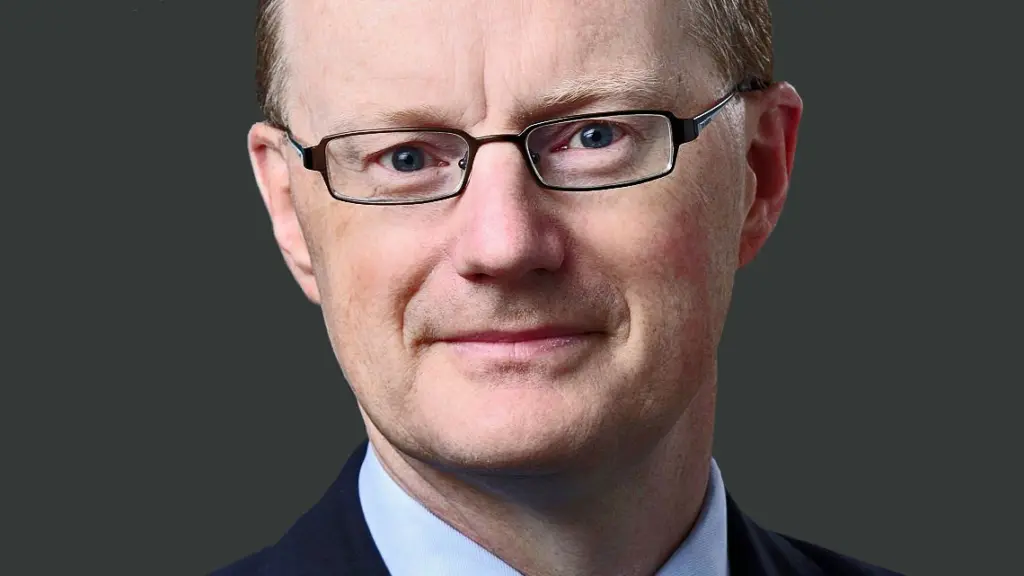
Stephen Dover, chief market strategist and head of the Franklin Templeton Institute, made the case in a recent note published by Franklin Templeton.
His argument has three parts. Mega IPOs will compete for capital against existing growth stocks in the short term. They will also diversify market leadership over the long term, and force AI companies to finally show their numbers.
“If several mega-cap IPOs come to market in the same window, they will compete for capital not only with each other, but with existing publicly traded growth stocks that could create rotation pressure across software, semiconductors, fintech and AI beneficiaries.”
A record IPO wave meets record S&P 500 concentration
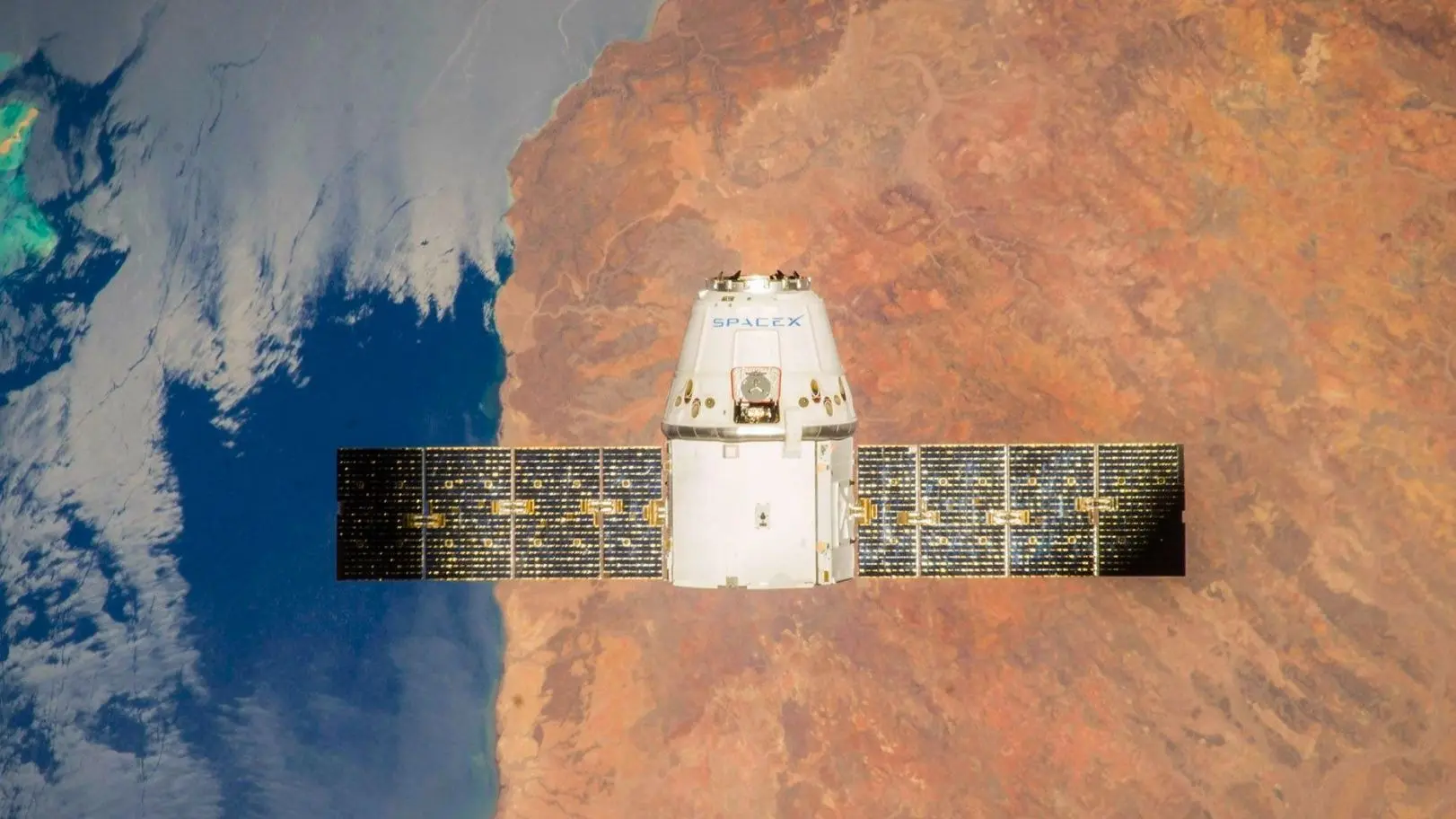
The backdrop makes the argument worth taking seriously. SpaceX completed the largest IPO in history, raising $75 billion at a valuation of roughly $1.75 trillion, ranking among the ten most valuable listed companies in the US within days.
Cerebras, an AI chip maker, had already tested the market earlier in the year. It priced its offering at $185 a share and closed its first day above $311. OpenAI and Anthropic are reportedly weighing listings later in 2026, though neither has filed.
The concentration problem is real, though it is already moving on its own. The top ten stocks in the S&P 500 make up around 36 per cent of the index by weight, according to S&P Dow Jones Indices’ own live data. That is well up on a decade ago, but down from a peak above 40 per cent reached in late 2025.
S&P DJI’s research arm credits part of that decline to cooling mega-cap performance and gains broadening into the rest of the index. No new company joining the benchmark explains it.
A portfolio tracking the benchmark is still a concentrated bet on a handful of AI-exposed names. Dover’s argument is that spreading listings across space, defence technology, fintech, automation, robotics and data infrastructure would broaden that base further.
The index claim does not hold up
Here is where the note gets ahead of what has actually happened. Dover points to SpaceX as a precedent for index providers moving early. “Index providers adjusted their rules to include a company early based on its scale and significance. We should expect this to continue,” he says.
That is true of some benchmarks, but not the one still underpinning most global equity allocations. Nasdaq brought in a fast-entry rule from May 1. It let SpaceX into the Nasdaq-100 within weeks, and CRSP-linked funds moved almost as quickly. S&P Dow Jones Indices did the opposite.
In June, it confirmed it would keep the 12-month seasoning period and profitability screen for S&P 500 entry. It explicitly declined to waive them for large IPOs.
SpaceX posted a net loss of close to $5 billion in 2025, even as revenue grew. It will not qualify for the S&P 500 until it clears that bar, realistically not before mid-2027. The same screen would apply to OpenAI or Anthropic if either lists this year.
For a client worried about S&P 500 concentration specifically, that diversification is a 2027 story, not a 2026 one. The diversification effect Dover describes shows up first in the Nasdaq-100 and in the funds that track it. It reaches the broader, more widely benchmarked S&P 500 much later.
Anyone using S&P 500 exposure as the core holding should not expect concentration to ease just because a run of AI companies goes public.
The disclosure argument survives scrutiny
The disclosure argument holds up better. SpaceX’s own filings show capital expenditure of $10.1 billion in the March quarter, more than double the year-earlier figure. The company posted that spending alongside a net loss of close to $5 billion.
That is precisely the capex-to-revenue question Dover raises for the sector generally. It now sits in a public filing rather than a private data room.
Advisers fielding client questions about whether AI spending is translating into earnings now have more to point to. Mega IPOs are starting to supply the evidence either way, one company at a time.
The near-term rotation risk is worth watching too. A queue of mega-cap AI listings is competing for the same pool of capital as existing software, semiconductor and fintech names. That is a genuine dynamic, not a talking point. It is the part of Dover’s note that needs no correction.
Two timelines, one conversation with clients
The structural diversification story is real, but it is slower than advertised. It is arriving through Nasdaq and CRSP-linked exposures well before it reaches the S&P 500 itself.
When a client asks whether the AI IPO wave will finally spread their index exposure beyond a handful of names, the answer depends on which benchmark they mean.

Cristina is a contributor and content manager at The Inside Network.