Thursday 20th August 2026
Warsh wants clean signals. The bond market had other ideas.
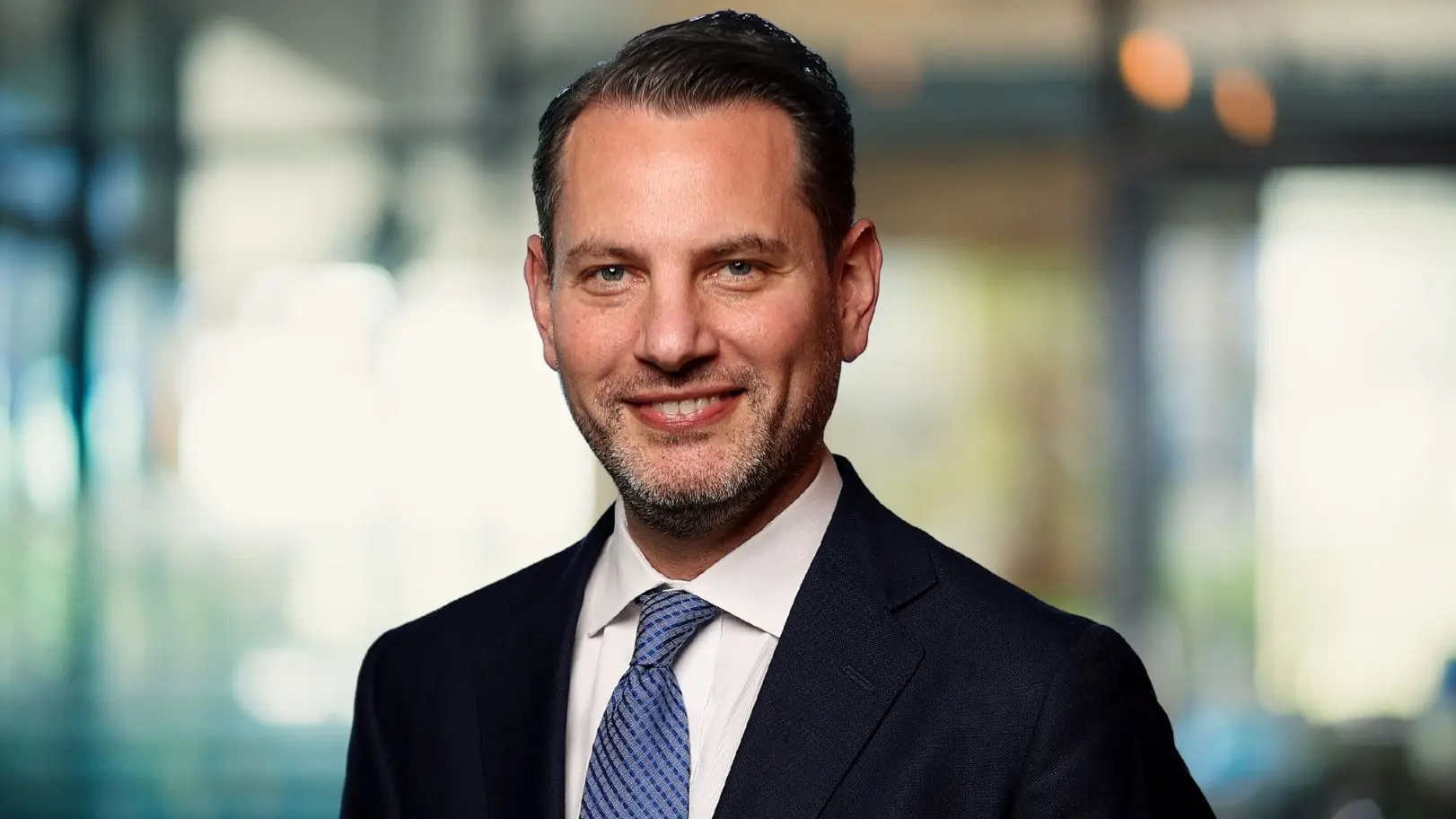
Franklin Templeton's Richard Rauch says inflation is structurally stickier than the pre-COVID period, and the bond market appears to agree. Within hours of the Fed hold, US Treasury yields told a story the Fed's new chair may not have intended.
Kevin Warsh wants markets to set their own signals, free of Fed hints. Hours after he said so, US Treasury yields at the long end sold off hard enough to suggest the market does not believe him.
The Federal Reserve chair held the cash rate steady, at 3.5 to 3.75 per cent, the second hold in a row since he took over. The decision itself was not the interesting part.
What advisers with US or global fixed income exposure should notice is a contradiction opening up between how Warsh wants markets to behave and how they actually behaved within hours of him saying so.
A split committee, a shorter statement
The committee split three ways. Three regional presidents, Cleveland’s Beth Hammack, Minneapolis’s Neel Kashkari and Dallas’s Lorie Logan, dissented in favour of a 25 basis point hike.
Warsh also cut the post-meeting statement down, part of his deliberate push to strip out forward guidance altogether.
Warsh’s own contradiction
He explained why in the press conference. Warsh wants markets to price “direct” and “unfiltered” signals rather than trade off Fed hints, and he welcomes the shift, arguing markets are learning to “play the ball, not the referee.”
Richard Rauch, senior client portfolio manager at Franklin Templeton Fixed Income, says that framing ran into a problem reporters pressed him on more than once in the room.
Warsh pointed to the rise in Treasury yields, nominal and inflation-adjusted, since the Fed’s last meeting as evidence that policy had already tightened without him lifting the cash rate.
But Rauch reads the rise differently: it looks more like the market pricing further hikes and inflation staying above target, or moving higher again, than a clean signal arriving independent of the Fed.
The Fed treats market pricing as its own input, yet the market itself builds that pricing on guesses about what the Fed does next. That circularity makes the unfiltered signal Warsh describes hard to isolate from the guidance it is meant to replace.
The bond market’s answer
The bond market’s own response backs Rauch’s reading. US Treasury yields at the long end sold off hard after the meeting: the 30-year touched its highest level since 2007, above 5.2 per cent, and the 10-year rose to 4.67 per cent.
Rauch reads the move as the market pricing in the risk of a policy mistake: talk about price stability needs follow-through to earn credibility, not just a repeated statement of intent. A three-way dissent for a hike, on a committee that just held rates, reinforces that reading.
“Franklin Templeton Fixed Income has held the view for some time that real yields in the US can be higher with resilient growth, but inflation is structurally stickier than the pre-COVID period.”
What it means for advisers
For advisers holding duration through US or global bond allocations, the question is not whether the Fed moves next. It is whether the market moves first.
Warsh wants to hand price discovery back to the market and step out of the way. If inflation proves as sticky as Rauch expects, US Treasury yields will keep repricing on their own terms, without waiting for a Fed signal to justify the move.
That is a harder environment to underwrite duration in. Guidance did not disappear, it was replaced by something less legible. And a market that sets its own signals can move further and faster than one waiting for permission.

Cristina is a contributor and content manager at The Inside Network.