


Thursday 23rd April 2026
Steve Sloane on why real scalability starts with an efficiency mindset
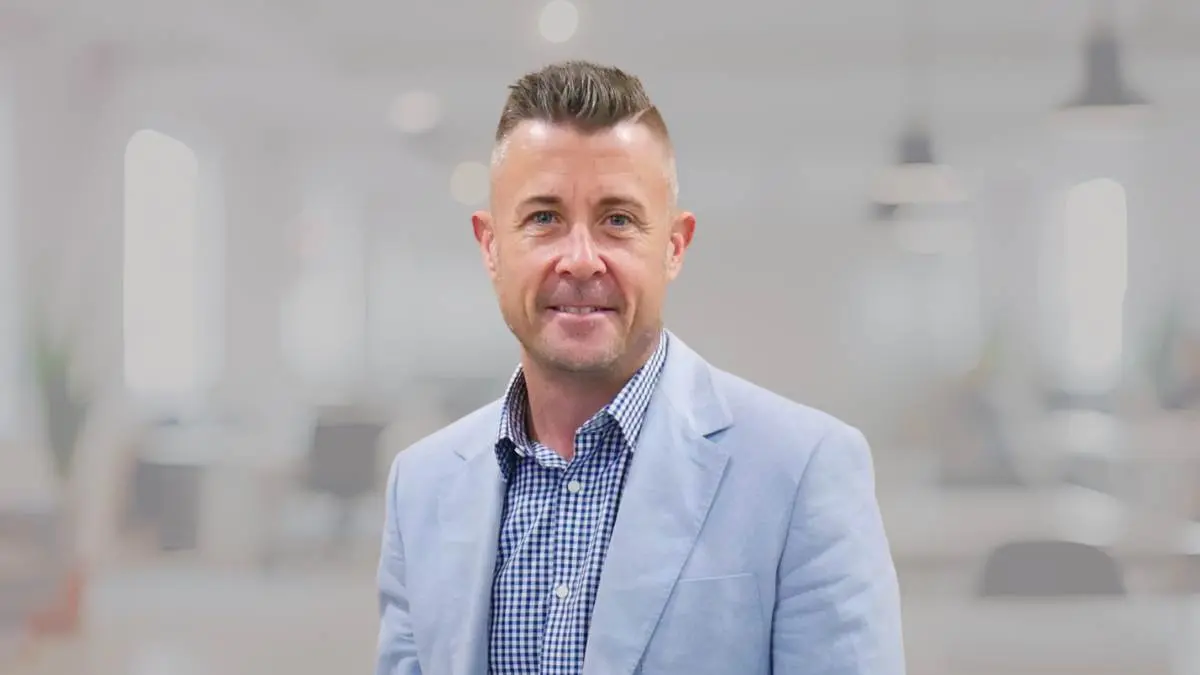
For Link Wealth Group's Managing Director Steve Sloane, efficiency is the foundation of scalability, not just a tech byproduct.
The advice landscape is often described as a regulatory labyrinth. For many practice owners, daily work has become a constant battle with paperwork, compliance demands and a shrinking talent pool. In this environment, “efficiency” is often touted as the solution, but few understand how to turn it into long‑term growth.
Steve Sloane, managing director of Link Wealth Group and Levera, is one of the few who has successfully navigated this transition. Sloane does not just talk about efficiency in the abstract; he lives it across two distinct but interconnected businesses.
At Link Wealth Group, he manages an advice firm with 14 authorised representatives across Australia. Meanwhile, at Levera, he oversees an operational administration business with 100 staff that services 34 advice practices nationwide.
The complexity of the Australian market
Sloane’s perspective is shaped by the unique challenges of the domestic market. During a recent INPractice Online masterclass, he was candid about the scale of the challenge facing Australian advisers. “Our advice industry within Australia, I think it’s one of the most complex advice industries in the world,” Sloane observed.
He cited a trifecta of pressures: heavy regulation, constant policy changes from both licensees and government and an inherently complex tax and superannuation system. This complexity creates a significant operational load. It requires constant retraining of staff and makes it increasingly difficult to find local administrative talent.
Sloane noted that many inefficiencies are outside an adviser’s control because they are driven by external factors, but he argues firms must master what they can control: the speed of advice delivery, the client experience and how work is handled operationally behind the scenes.
Solving for advice practice scalability
For Sloane, the ultimate goal of any efficiency drive is advice practice scalability. This is not simply about doing things faster; it is about building a business that can handle increased volume without a corresponding increase in stress or risk. He warns that there is no “one size fits all” approach to this problem. Instead, it requires a mindset of constant iteration. “We adjust our strategy,” Sloane said, noting that his team reviews their processes weekly. “What we’re doing today, and how we operate, will be very different in 5 to 10 years’ time”.
The focus on advice practice scalability allows a firm to grow in a sustainable manner, reducing the operational load on both advisers and support staff. This allows the business to remain focused on guiding clients toward financial security and success, rather than becoming bogged-down in back‑office paperwork.
The culture killer: repetitive admin
One of the insights Sloane shared was the link between operational efficiency and firm culture. He believes many firms fail to scale because “low‑value work” weighs them down and drains team enthusiasm. Sloane was blunt on this point: “Anything repetitive kills culture.”
He elaborated that if a team is “just doing the same old job over and over,” they are likely to leave. This turnover creates a vicious cycle of hiring and retraining that halts any progress toward advice practice scalability. To break this cycle, Sloane advocates for moving repetitive data entry and form filling away from the core Australian team. “Anything repetitive, anything to do with data entry, anything to do with form filling, really needs to go to a team that, in my view, is not in Australia,” he argued.
By removing this burden, firms can create a path for career growth. Staff are more likely to stay and evolve with a company when they see it “taking on new technologies, getting more efficient”. This allows the onshore team to shift their focus toward client-facing roles and more complex strategic work.
The business 101 foundation
While Sloane is a proponent of technology, he issued a stern warning to those who view AI or software as a silver bullet for a broken business. He believes that the human and structural foundations must come first. “I must say this, though, there’s no point in having the best tech, the best AI, or best anything regarding that manner if you don’t run the company properly,” he said.
In Sloane’s view, the hierarchy of success starts with leadership and people.
“The 101 of running a business is having strong leadership, strong culture, the best staff, the best training, and that’s your first step”.
Only once these fundamentals are in place can a firm effectively leverage tech for productivity gains. He noted that even the best technology “is going to mean nothing if you don’t have people behind the scenes to run the business”.
Embracing automation and AI
When the foundation is solid, technology can then be used to achieve dramatic results. Sloane shared several practical examples of how his firms are using automation and AI to reclaim time. At Levera, they are building automation tools to pre-fill thousands of pension, super, and investment applications. Sloane estimates this will “free up 30% of their time,” which can then be reinvested into client experience roles.
At Link Wealth, the impact of technology is even more visible in the advice production process. They are implementing a tool called “Plan AI” that is designed to radically shorten the time it takes to produce financial advice documents. “Instead of producing a piece of advice in six weeks, we should be able to go to a couple of days, which would be fantastic,” Sloane explained. By combining technology, automation, and AI, firms can finally begin to see the path toward true advice practice scalability.
Outsourcing as a de-risking strategy
Sloane’s own journey into outsourcing began when he and his business partner, Josh, simply could not find enough administrative staff in Australia to support their growth. This necessity led to the birth of Levera. Today, he views a blended onshore and offshore model as a critical way to reduce “key person risk”.
In a small local team, the loss of a single administrative staff member can be a catastrophic event for a practice. However, by building a larger offshore team, firms can create a buffer. “If you’re growing a team offshore, you’ve got three, four, five in your team offshore, if you lose one staff member, you can absorb that that work into the existing team,” Sloane explained. This approach turns administrative support from a potential bottleneck into a scalable engine for growth.
The reinvestment of time
The ultimate measure of success for any efficiency initiative is what a firm does with the time it recovers. Sloane’s vision is to use these gains to foster a more “entrepreneurial” team culture. This shift allows advisers to focus on what truly matters: “servicing more clients and delivering a better client outcome for your clients, and focusing on that growth for the next 10 years”.
By freeing capacity across onshore and offshore teams, practices can deliver a superior client experience in a crowded market. For Sloane, efficiency goes beyond the bottom line to creating a sustainable, high‑performing environment where staff thrive and clients achieve financial security. This creates a direct relationship between operational efficiency and advice practice scalability.
Solving the scalability puzzle
The path to advice practice scalability in Australia is undeniably difficult, but Sloane’s model offers a clear blueprint. By focusing on strong leadership, outsourcing repetitive drudgery, and layering in targeted technology, practice owners can break free from the administrative grind. Sloane concluded that as the industry changes dramatically, those who constantly look for quick wins to become more efficient will lead the next decade.

Laurence Parker-Brown is head of content at The Inside Network and managing editor of The Inside Adviser and Investor Strategy News.