Friday 8th May 2026
Efficiency isn’t growth: advice firms must rethink what ‘scaling’ really means

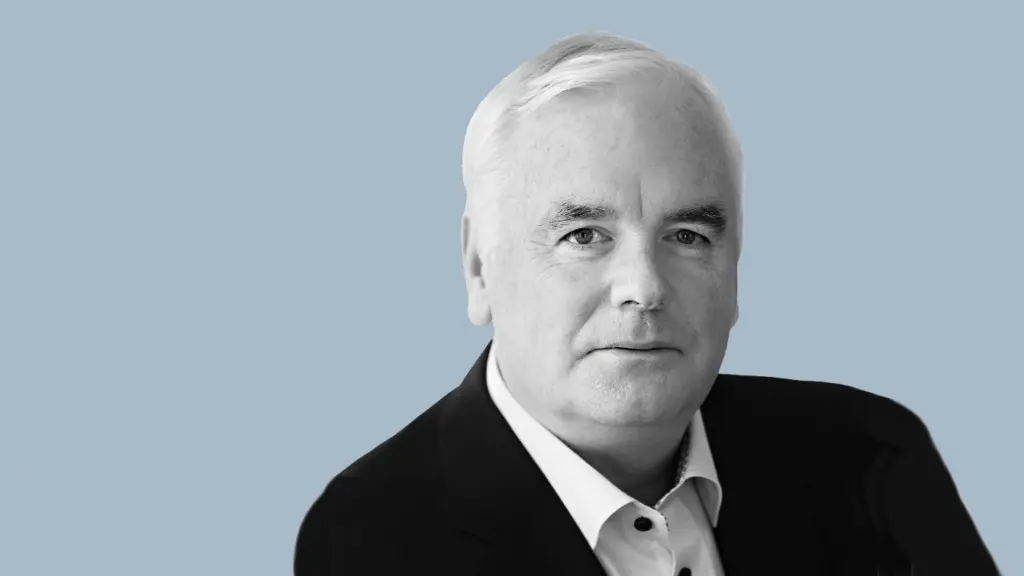
Link Wealth and Levera MD Steve Sloane assert that firms must fortify their operational foundations before pursuing expansion, or risk breaking the business under the weight of its own success.
In advice, we often use the words growth and scale interchangeably, but they are not the same thing.
Growth is adding more. More clients, more revenue, and more staff. Scaling is building the foundation that allows you to handle more without breaking the business. In my experience, too many firms are chasing growth before they’ve built the structure required to scale.
The growth vs. scaling trap
From my vantage point running Link Wealth Group, and Levera Solutions which supports more than 30 advice practices nationally, this confusion plays out repeatedly.
Majority of firms want to expand, they want more clients, more advisers, and high revenue targets. Ambition often overshadows the operational engine, leaving it strained, inconsistent, and overly reliant on key individuals.
The result? More volume, but not necessarily more profit. More clients, but not necessarily better outcomes. More pressure, but not more capacity.
Foundations over tools
It is easy to say our goal is to scale, but successfully doing so starts with clear and defined foundations. That includes culture, leadership, training, and workflow discipline. Technology and AI can enhance this, but they cannot replace it.
In this industry, there’s a growing narrative that efficiency is primarily about adopting the latest AI tool. Yes, technology plays a role, but it is not the silver bullet and never will be. You can layer the best automation platform over a broken process, but at the end of the day all you will do is accelerate inefficiency.
In advice, friction tends to come from complexity. Regulation is heavy, compliance standards do shift, the superannuation and tax environment is intricate, new staff require ongoing training, and all of this adds operational weight.
The friction of complexity
When advisers spend 15 to 20 hours a week on administration, that’s not just time lost, it’s also client capacity lost, strategic thinking lost, and momentum lost.
But reclaiming that time is only the first step. What you do with it determines whether you scale or simply tread water more comfortably.
Remember efficiency without strategy is just speed. For us, we are constantly reviewing our operational rhythm and having weekly discussions focusing on one question: how do we deliver advice faster, better and with less friction?
This question includes leveraging automation to pre-populate forms and streamline applications. It includes implementing AI tools capable of producing advice documents in days rather than weeks, redesigning onboarding so clients move seamlessly from enquiry to engagement without unnecessary adviser touchpoints.
Critically, those initiatives sit on top of a clear operating model. Achieving genuine advice practice scalability means exceeding your current foundation, so that structure needs to be designed before the growth arrives. Roles, workflows, communication channels, and accountability need to be clear before pursuing growth within that structure.
Too often, firms grow reactively. We see them hire new team members because they are overwhelmed, add clients because the demand is there, and implement new tech tools because everyone else is talking about it. That however hits growth targets. It is not scaling.
Culture and human capital
One of the most overlooked drivers of advice practice scalability is culture. When talented people are freed from energy-killing administration, they can reinvest their time into the strategic activities that actually drive the firm forward.
In our model, that has meant building structured support teams, integrating offshore capability, and creating clear divisions between high-value advisory work and recess-driven administration.
Reducing key person risk
Outsourcing, when structured correctly, is not about reducing headcount, it is about reallocating capital. Instead of hiring another adviser only to have them buried in compliance and paperwork, you build support capacity so advisers can focus on revenue-generating activity and servicing clients the best they can.
That is where the distinction is very important, as scalability is also about reducing key person risk.
For most small to mid-sized advice firms, workflow sits in the head of one operations person or one senior adviser. If those individuals leave, capacity collapses.
Building a broader support structure whether that is onshore, offshore or hybrid, spreads knowledge, creates redundancy and strengthens resilience. It transforms growth from fragile to sustainable. True scale means the business can expand without becoming more vulnerable.
The Compounding effect of scale
When efficiency is embedded into a strong operating model, the outcomes compound.
Advice documents are faster; client experience improves because turnaround times shrink and advisers have more time for strategy conversations. Teams can see clearer career pathways, leaders gain space to think long-term about acquisitions, service expansion or new client segments.
Importantly, scale allows you to serve more clients without simply working longer hours. There is enough demand in this profession for firms to grow. Adviser numbers are still constrained, and client expectations continue to rise, so the opportunity is there.
The firms that will thrive over the next decade will not be those that grow fastest, they will be the ones that build the most disciplined foundations. What we’re doing today in advice will look very different in five to ten years’ time. AI will be more embedded; automation will be more sophisticated and client interaction models will evolve.
The core principle will remain though, and we know that technology amplifies structure, it does not replace it. If you want to grow, then design your business to scale first. That means getting clear on your operating model, identifying where friction lives, removing repetitive tasks from high-value people, investing in leadership and culture before investing in software.
Efficiency is not the end goal, it is the lever. When that lever is applied strategically to a solid foundation, advice practice scalability stops being an ambition and becomes a deliberate, sustainable outcome.

Steve is the managing director of Link Wealth Group and Levera Solutions.