Thursday 19th November 2026
Advice has the talent, the test is making room for it.
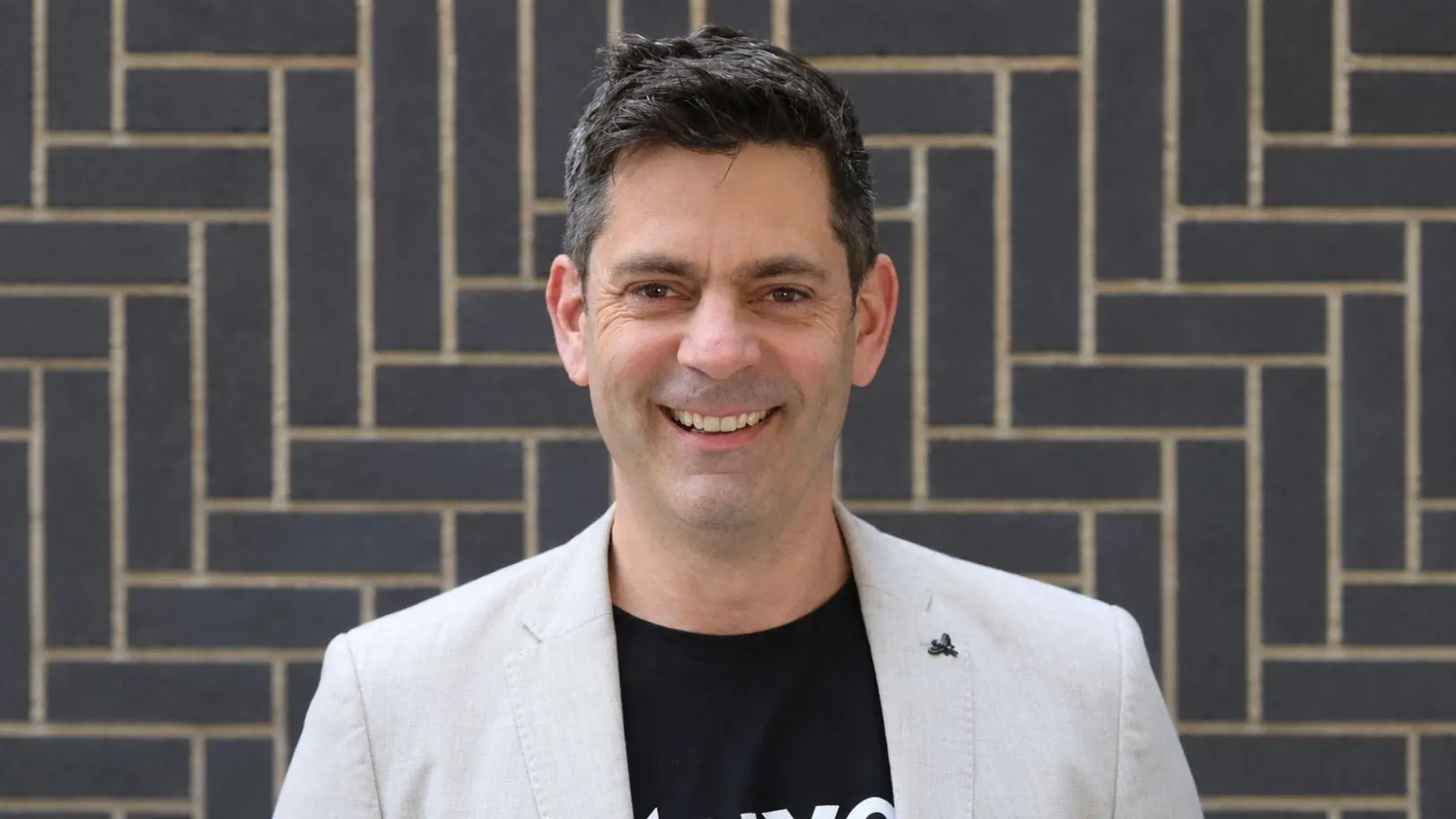
Striver’s Alisdair Barr says more graduates than ever want a career in advice. He believes the profession’s real test is building the capacity to train them, keep them and reward them.
Conversations about talent in financial advice usually begin with loss. Adviser numbers have fallen sharply since 2018. A new entrant also needs four to five years to complete a degree, the professional year and the exam before they can serve clients, so the profession cannot simply recruit its way back.
Alisdair Barr, founder and chief executive at Striver, starts the conversation somewhere else. He works with university students and early-career professionals every day, and he sees a growing number of them knocking on advice’s door. “People talk a lot about a shortage of talent, but I don’t believe there is one,” he says.
Striver’s own figures point in the same direction. The number of new people coming to its platform in search of advice roles rose by about 70 per cent over 12 months. Barr links much of that rise to changes well outside the profession.
Across the broader jobs market, the biggest employers of university graduates have pulled back. The big four accounting firms have cut graduate hiring globally, and major Australian corporations have trimmed the entry-level and administration roles that once absorbed new graduates. “The opportunities in these traditional graduate programme career paths have shrunk significantly,” Barr observes.
The students haven’t gone anywhere, though. They are looking for new doors, and advice stands out as one that stays open.
“Financial advice is a profession about humans, about being connected with humans and having that human relationship,” Barr explains. “We’re one profession that’s buoyant in an industry where channels are declining, and students are turning their eyes to us.”
Room to grow
The pressure point, as Barr describes it, is the capacity of practices to take people on. Most advice businesses are small, and a new hire costs the firm money for several years before they bring any in.
“I don’t think there’s a talent shortage. I think there’s an issue with capacity, and a bottleneck for firms to hire, in a fragmented industry.”
That brings every principal back to an old choice between buying talent and building it. Recruiting experienced advisers from other firms “can be a costly exercise, and it comes with uncertainty and risk, although it can also come with great outcomes,” Barr says.
Building talent from the ground up takes longer, and the firm carries the cost while a graduate learns the job. Barr believes that patience pays off in “a better long-term return on investment with more loyal staff”.
Graduate labour markets have always moved with the economic cycle. When large employers rebuilt their graduate intakes after the global financial crisis, the competition for those candidates came back too. If corporate hiring picks up again, the stream of graduates now flowing towards advice could thin. That makes a strong case for building capacity while the talent is there.
The cheat sheet
Hiring a graduate brings its own challenge, because there is no work history to check. Over a decade of conversations with tens of thousands of students, Striver has found a handful of traits that point to long-term success in small and mid-sized professional services firms.
At the top of Barr’s list is competitive team sport, or any setting where other people depend on you. “People who have played competitive team sport, or been involved in a choir, the church or the local community, somewhere their actions impact others and people rely on them, have developed an important skill set early,” Barr explains.
Customer-facing jobs come next, from retail floors to night shifts stacking supermarket shelves, because they teach young people to think on their feet and handle difficult customers in real time. Independent travel builds adaptability, while a background in a family business earns special praise. “I like that because no one’s above the cruddy work. Everybody rolls up their sleeves,” Barr says.
Country upbringings round out the list, largely because reputation carries so much weight in a small town. “In the country, everybody knows. It’s the bush telegraph,” he notes.
Barr also warns principals against hiring in their own image. Graduates at Striver’s speed networking events sometimes tell him they liked a candidate because that person was just like them.
“You can’t have too many Alisdairs in a business,” he quips. His advice is to define the role and the cultural mix before meeting anyone. “A bad thing in a business is too many people thinking and acting exactly the same way. It doesn’t add any diversity to the mix, and you get groupthink,” he says.
Clear pathways
Keeping new talent depends on clarity more than on generational quirks. “What most people want is a clear development plan with articulated outcomes,” Barr explains. “Clarity and transparency on the pathway is what people want, and if you can do that, you get retention.”
He believes that clarity should extend to pay and ownership, especially as more firms use equity to hold on to their people. In his view, loose promises do more harm than good.
“In the past it’s been very easy to throw out the conversation, ‘One day you might get equity.’ It needs to be documented and articulated,” he says. Barr is just as direct with firms that cannot offer an equity path. “If you don’t have it, don’t pretend to have it.”
Barr sees the end of the professional year as a key danger point for losing people. Firms often hold graduates back from the register, and that is when rivals come calling.
“I think that’s a big reason why people lose their PYs afterwards, because firms try not to put them on the register,” he says. “I get that you might not think they’re ready, but the opportunity is to get them ready.”
Career changers offer another way to widen the pool, and Barr points to the traits they bring from other professions. Nurses bring empathy, teachers can explain complex ideas simply, and engineers enjoy solving problems. Some of the strongest recruits also come from a firm’s own client base, because they have already seen the value of advice firsthand.
Barr supports the education standards, but he wants the path through them to be faster. “A nurse coming into the financial advice profession who then has to spend two years earning an administration salary faces too much of a financial barrier,” he explains.
In the long run, Barr believes the answer lies with the clients advisers already serve. He wants the profession to build what he calls “a career-of-choice value proposition”. In that model, satisfied clients become “the billboard saying, ‘This is a profession you should explore.’”

Cristina is a contributor and content manager at The Inside Network.