Thursday 19th November 2026
Rate rise opens the door to higher bond yields

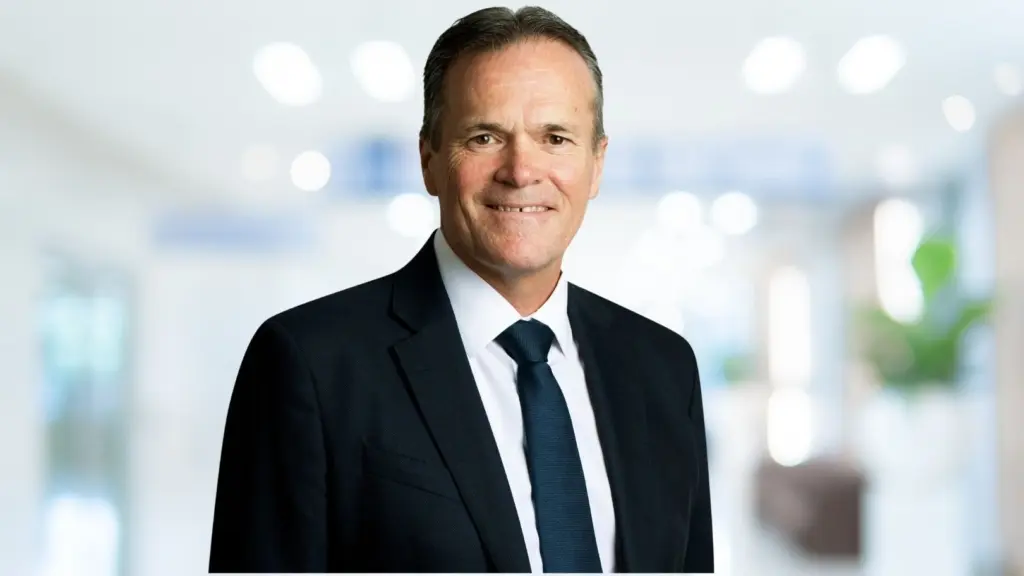
Bond yields well above their 2020 lows give income investors an opportunity, says Bentham Asset Management CEO and portfolio manager Richard Quin, who backs the Reserve Bank’s resolve on inflation after the November rate rise.
Bentham Asset Management has put its weight behind the Reserve Bank of Australia’s inflation fight. Chief executive officer and portfolio manager Richard Quin sees the 25 basis point increase on 3 November 2026, which took the cash rate to 4.85 per cent, as a reinforcement of the central bank’s commitment to its target range. He also points to an opportunity for income investors in the bond market.
The decision marked the fifth increase of 2026 and the highest setting in 18 years, and the Board split six to three in favour of the move.
Quin begins with the borrowers who feel a higher cash rate first. “This 25bp rate increase will be tough news for many households already dealing with higher mortgage repayments and living costs,” he says.
“However, it would also reinforce the RBA’s commitment to bringing inflation back towards its target range, which is ultimately essential for improving longer term cost of living outcomes.”
For advisers, the decision brings two client conversations to the fore. Clients carrying debt may want to revisit their repayment plans and cash flow buffers. Clients seeking income may want to look again at the defensive side of their portfolios.
Shared load
Quin argues that interest rates can only go so far on their own, and that the wider economy has a part to play in bringing inflation under control.
“While monetary policy has done much of the heavy lifting over the past few years, inflation cannot be solved by interest rates alone. Sustainable progress will also require sound fiscal management and reforms that improve productivity across the economy.”
In other words, Bentham sees the path to lower inflation running through Canberra’s budget settings and productivity reform as well as through Martin Place.
Locking in yield
For income-focused clients, the more immediate story lies in fixed income. According to Bentham, the yield on the Australian Fixed Income Benchmark stands at 5.26 per cent at the end of October 2026. That figure is more than eight times the comparable low of 0.63 per cent on 31 October 2020, during the lockdowns.
Yields have eased a little since. The Australian 10-year government bond yield stood at 5.09 per cent on 18 November 2026, roughly 14 basis points lower over the month, which narrows the window Quin describes without closing it.
Quin believes this may be a positive moment for investors to lock in higher rates through bonds. For retirees and pre-retirees who rely on portfolio income, a yield above 5 per cent offers a far stronger starting point for defensive income than the lows of 2020.
One qualification belongs alongside that. A starting yield above 5 per cent fixes the income, though it does not fix the capital value along the way. The Board has said it stands ready to act again, so investors who lock in today should expect the mark-to-market to keep moving with the policy path.
Bentham brings deep experience to that view. Established in 2010, the firm is a specialist global fixed interest and credit investment manager. It actively manages a number of income-generating funds across credit and fixed interest, with varying return profiles.
Cautious optimism
Quin sees reasons to feel positive about the road ahead. “There are reasons for cautious optimism. Energy costs should gradually become less of a headwind over time, and if governments maintain fiscal discipline while supporting productivity growth, the burden on monetary policy should ease,” he says.
That first condition has begun to arrive. Brent crude traded near US$92 a barrel on 17 November 2026 on expectations of a supply surplus, down from above US$100 in October.
“A clear inflation target and a credible commitment to achieving it remain important foundations for economic stability and business confidence.”

Cristina is a contributor and content manager at The Inside Network.