Monday 5th October 2026
Why scale is often the disqualifier in metro industrial property
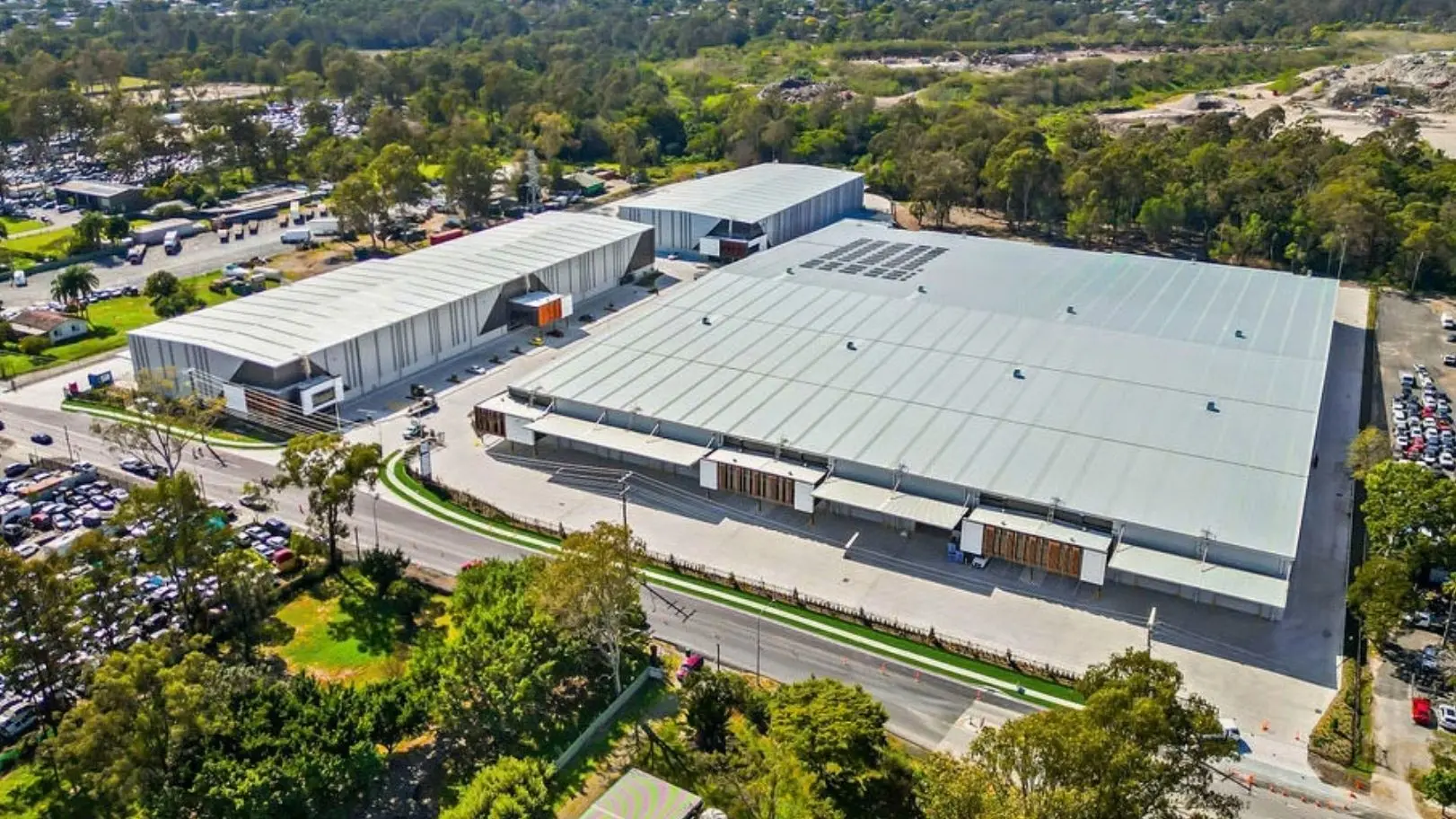
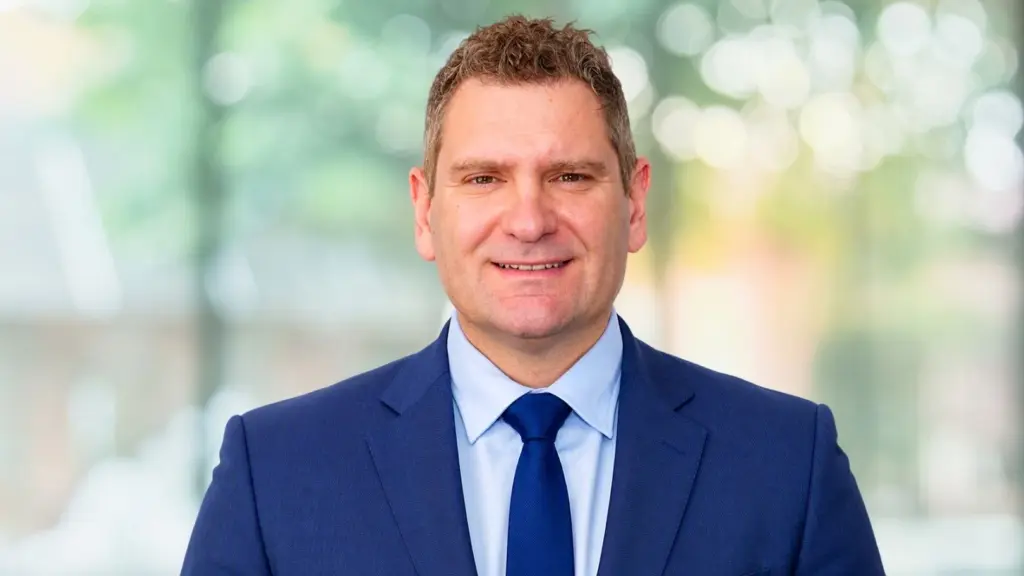
The industry treats scale as the ultimate advantage in industrial property. Centennial’s CEO Paul Ford argues it’s not the be all and end all : in mid-market metro industrial + logistics, size is what locks the largest managers out, leaving a more nimble specialist with less competition, and more favorable acquisition pricing.
For much of the past decade, industrial property has been a story about size. REITs and the largest wholesale managers have raced to build portfolios big enough to matter. That race rests on an assumption. Scale, the thinking goes, delivers the best assets, the strongest tenants and the keenest pricing.
Paul Ford, CEO of Centennial, has built a business on the opposite view. In the mid-market metro industrial and logistics segment where the firm concentrates, he argues that scale is not the advantage it looks like. It is the thing keeping the biggest players out.
Centennial has concentrated on this part of the market since it launched its industrial and logistics platform in 2018. Ford believes that this focus has made Centennial a leader in the sector. The relationships that come with it, with tenants, vendors and agents, produce deal flow that often never goes formally on-market.
“Since the inception of Centennial’s industrial & logistics platform, we have been deliberately focused on what we call the Metro segment, and we believe we have become market leaders in this space,” he says.
Scale, the disqualifier
The reason the large managers cede this ground, in Ford’s telling, is structural rather than a matter of taste. “Larger managers, by contrast, have focused on scale, not necessarily because of fundamentals, but because their structure doesn’t allow them to acquire and actively manage these assets,” he says.
The mid-market assets are too small to move the needle for a mega-fund. They are also too management-intensive to run passively. The consequence is counterintuitive. “Scale is a disqualifier for them, not an advantage,” Ford says. That means less competition and better relative pricing for the firms still willing to do the work.
That does not mean buying indiscriminately. Ford frames sourcing and underwriting discipline as the core of how Centennial creates value.
“We reviewed over $8 billion of opportunities last year, but our acquisition activity reflects a highly selective approach,” he says, adding that the firm will “only transact where the fundamentals, pricing and strategic fit align.”
In the current financial year to date, that discipline has produced four capital raisings and seven acquisitions worth about $228 million.
It was never just e-commerce
Demand for these assets is usually explained in a single phrase: last-mile e-commerce. Ford is wary of the shorthand. “E-commerce, or more so quick commerce, is a contributing factor rather than the sole driver of demand.”
Australia still lags other developed markets on same-day delivery infrastructure. Closing that gap calls for denser, more localised distribution networks. That is a structural tailwind for infill specifically. But the demand runs wider than online retail.
Ford points to government infrastructure investment, wholesale distribution and some manufacturing reshoring. That is reflected in an occupier base that runs from FedEx and Australia Post to Woolworths, JBS, Rohde & Schwarz and Amcor. Underpinning all of it is population growth. On Centennial’s estimate, that growth will require an additional 8 million square metres of warehouse space nationally over the next five years.
That diversity is deliberate. Metro industrial is the most active part of the leasing market. It accounts, on Ford’s figures, for 60 to 70 per cent of all leasing transactions. Centennial builds assets designed to serve the full spectrum of tenants rather than one industry.
Location does the heavy lifting. The firm targets land-constrained sites near arterial routes, within a 30 to 45-minute radius of a large population catchment. “That proximity to a tenant’s customer base is critical to them managing transport costs and improving margins, meaning real estate is a real value driver.”
If access is the opportunity, supply is what sustains it. Vacancy in East Coast infill markets sits at 3.3 per cent. That is below the 4.0 per cent rate the market treats as structurally neutral. Ford does not expect relief soon.
Land is scarce. The development pipeline is further constrained by rising construction costs, higher financing costs and strong growth in land values. All of that weighs on feasibility. The result is a measurable gap.
Ford describes economic rents as “the level of rent required to justify new supply.” He says they are tracking approximately 15 per cent above current market rents. “We view this gap as a leading indicator of sustained rental growth, with infill markets best positioned to capture that upside,” he says.
What direct exposure adds
With portfolios already allocating to own industrial property through a REIT, Ford’s observation is about volatility and control. Listed vehicles are “subject to higher volatility, driven largely by shifts in broader market sentiment and capital flows rather than underlying property fundamentals”, he argues.
Unlisted funds, valued periodically on asset value rather than continuously on sentiment, tend to move less. As advisers weighing unlisted property investment in a private wealth portfolio have found, that stability can offer downside protection within a balanced portfolio. Another crucial point is about who makes the allocation decision.
“Allocating into sector specific funds rather than diversified funds gives the investor the power to choose how they allocate their property exposure rather than transferring that to a manager,” he says.
The thesis is easiest to see in finished deals. The Forrester Distribution Centre in Sydney and the Royal Park Distribution Centre in Adelaide were both bought off market from vendors without a clear plan for the site. Centennial then refurbished and expanded them to institutional, multi-tenant specification.
Royal Park is a long-vacant site in a prime location 8.5 kilometres from Adelaide’s CBD. Centennial acquired it for $5.4 million in 2021. It leased the site to Daikin Australia and Allied Express before completion. Centennial sold it in December 2024 for $24.5 million, an internal rate of return of about 16.7 per cent.
Royal Park is one deal, but it shows the pattern Ford keeps returning to: find well-located assets the largest managers can’t or won’t pursue, do the work to reposition them, and let constrained supply support the rent.
For investors weighing on how to hold industrial exposure, the more useful question may be less about scale and more about access.

Laurence Parker-Brown is head of content at The Inside Network and managing editor of The Inside Adviser and Investor Strategy News.