Monday 21st September 2026
Why the headline yield is the least useful number in an income fund
Most assessments of income investments begin and end with the distribution yield. The Barwon Disability Accommodation Fund shows why that number tells only part of the story, and what durable, CPI-linked income looks like in practice.
Most assessments of income investments begin and end with the distribution yield. The Barwon Disability Accommodation Fund shows why that number tells only part of the story, and what durable, CPI-linked income looks like in practice.
The latest distribution yield is the easiest figure to quote and the least informative. It says nothing about the quality of the assets, the operators alongside them, or whether the income is durable or fleeting.
The Barwon Disability Accommodation Fund (BDAF) is built on a different proposition. It pursues three things: durable income, superior risk-adjusted returns and tangible social benefit.
For BDAF these are not competing goals, they are the product of the same decision. The home that gives a person with disability a secure, well-located place to live is the home that produces durable occupancy, CPI-indexed government-supported income and lasting capital value.
A structurally anchored sector
Specialist Disability Accommodation (SDA) is one of the few property sectors where demand runs years ahead of supply. The Commonwealth underwrites the income. Payments combine NDIS funding, Commonwealth Rent Assistance and a participant contribution.
The Commonwealth indexes them annually to CPI and benchmarks them periodically against land and building costs. That makes SDA a strong inflation hedge.
National estimates point to a current shortfall of around 9,000 places. Demand is set to reach 32,000 NDIS participants requiring this housing by 2032. Delivering those homes will require a further $9 billion of private capital.
SDA supports participants with the most significant and enduring disabilities. It accounts for only one per cent of total NDIS spending.
That small share has allowed SDA to retain policy priority even as the broader scheme has come under cost control. What distinguishes one fund from another is how the manager constructs the portfolio on top of that policy base.
Distribution yield: measuring the return properly
Advisers routinely compare headline distribution yields across funds as though they measure the same thing. They do not. An advertised net yield is often an asset-level figure that excludes fees, capital expenditure, debt and administration costs. A fund-level yield is what an investor keeps once all those outgoings are met.
The two numbers are rarely close.
On a like-for-like basis, BDAF’s portfolio carries a weighted average capitalisation rate of 7.6 per cent within the sector range of 7 to 9 per cent, evidence the fund has acquired well at the asset level.
The figure that matters to a client, though, is what lands in their hands after costs and tax. On that basis the fund is targeting an income yield in the order of 6.75 per cent for FY27, with the large majority expected to be tax-deferred.
Tax-deferred distributions are attractive. The investor pays no tax on receipt; instead, the distribution adjusts the cost base and defers the liability until disposal, a material benefit for a client on a 30 per cent marginal rate or higher. These are forecasts and will move with occupancy and market conditions.
Manufacturing value: Macquarie Park
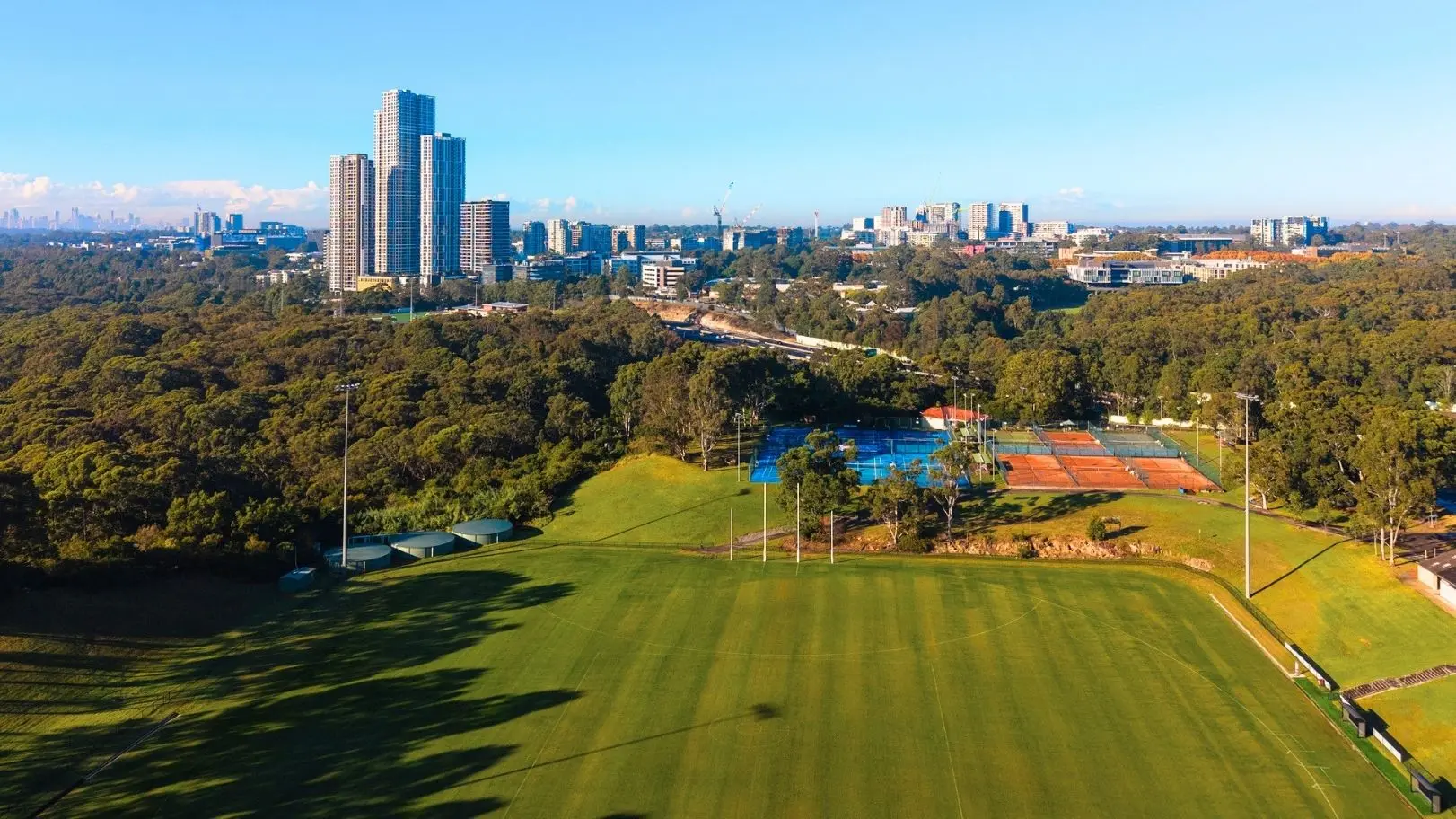
The clearest demonstration of the strategy is the fund’s acquisition at Macquarie Park, in the Frasers Property Midtown precinct near Macquarie University.
The metro sits 600 metres away and the Sydney CBD 17 kilometres south. The fund bought the 22 apartments with vacant possession at around five per cent below residential market value, contracting construction and compliance to the builder and separating that risk from the work of leasing up.
Patient, location-led capital earns its return here. The fund acquired the property for $15.2 million. An independent valuation has since placed it at $19.45 million, an unrealised uplift of 28 per cent, while net operating income has grown from $1.39 million to $1.54 million.
The result is a yield on cost of more than 10 per cent, on an asset the market now values at a capitalisation rate of around 7.5 to 8.0 per cent. The fund bought below the alternative-use cost, earns above 10 per cent on that cost, and holds an asset the market values below 8 per cent. That is value creation, carefully managed for risk.
The social benefit is the returns engine
For the people these homes are built for, the difference is profound. The Macquarie Park apartments are home to residents who moved from hospital beds, some of whom had spent more than 12 months in hospital after acquiring their disability.
One resident, Janel, a former Paralympian, had spent years moving between friends’ homes and mainstream apartments never designed for wheelchair use. She now has a permanent home she can manage day to day.
That functional fit sits at the centre of the investment. Well-designed homes in strong locations, with an experienced operator in place, attract and retain residents.
Occupancy of this kind underpins the income the strategy depends on. The portfolio now runs at 98 per cent occupancy. That figure describes people housed well and income secured at the same time.
What it means for advisers
This is the triple mandate in practice. The fund acquires selectively and is led by participant need, targeting assets that generate income above market rate. Those acquisitions build durable, CPI-linked income at the portfolio level, much of it tax-advantaged, with upside from capital growth. The social utility is what keeps that income durable.
For advisers weighing defensive income for clients, the distribution yield is only the starting point. The return stands on its own. That it comes from housing Australians who need it most is the part clients tend to remember.

Joss Engebretson is a Portfolio Manager at Barwon Investment Partners, focusing on the Barwon Disability Accommodation Fund (BDAF).