Monday 31st August 2026
Private credit added $95 billion in four years. Its boards are only just catching up

KIMI reviewed the majority of Australia's private credit managers before selecting twelve for its platform. Every adviser recommending private credit should put the same question to every platform: how many did you actually look at?
Most private credit platforms in Australia will not publish how many managers they rejected before launching. KeyInvest Managed Investments (KIMI) just released the number.
KIMI is the investment platform of KeyInvest, a member-owned mutual based in Adelaide and founded in 1878. It launched the KeyInvest Senior Debt Income Fund, a senior secured private credit strategy, in June.
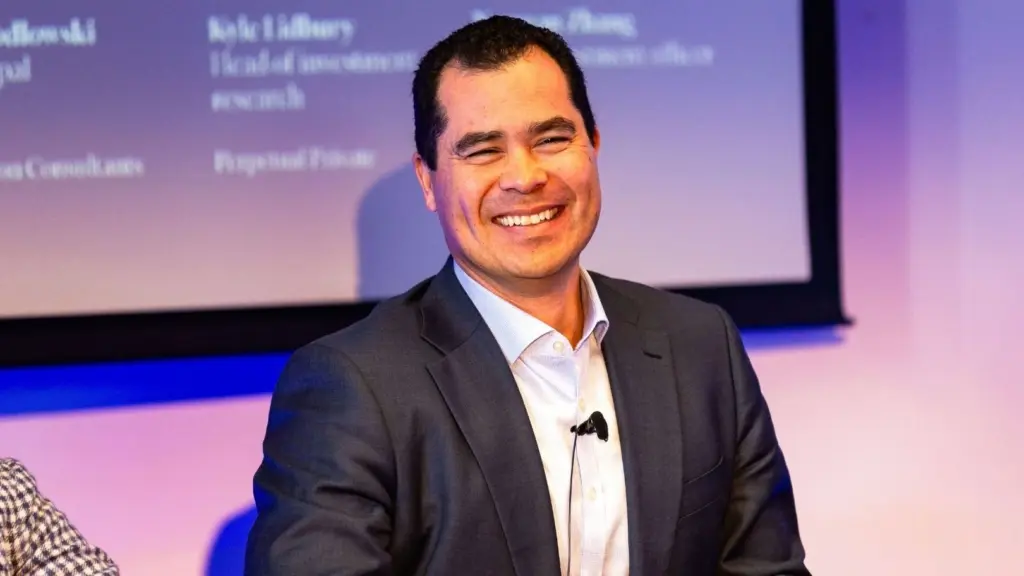
The firm appointed Michael Norfolk as a non-executive director, weeks after opening its first fund to wholesale investors.
Norfolk spent a decade at Coutts in London before running its global private banking business, where he was responsible for the bank’s service to high-net-worth clients and for the governance standards expected of an institution managing significant private wealth.
He returned to Australia in 2014 to lead ANZ’s private banking and advice arm, a role he held until 2020, rebuilding the bank’s offer for affluent and high-net-worth clients.
The number that matters more than the appointment
Before backing the twelve managers it now holds, KIMI says it reviewed the majority of private credit managers operating in Australia, in a market that has grown from $130 billion to $225 billion since 2021.
A market that has grown 70 per cent in four years has also grown the number of managers offering to run money in it, and not all of them will have the systems, the track record or the workout experience to handle a credit cycle when it turns.
Reviewing most of a market before selecting a small number of managers is a due diligence exercise, and it is one advisers vetting any private credit platform should ask to see evidence of, not take on faith.
The judgement calls a young private credit platform in Australia can’t outsource
Board composition does work that due diligence checklists cannot. A senior banker who spent a career deciding which clients an institution could trust with money brings a specific discipline to a young platform, covering scrutiny of manager selection, of concentration risk and of the governance standards a fund applies to itself.
Craig Brooke, KeyInvest chief executive, framed Norfolk’s role as holding that selectivity to account as the business adds strategies and investors, which is a fair description of what a non-executive director should actually do on a platform still building its track record.
Mutual ownership changes who a fund answers to
The ownership model matters as much as the board composition. A mutual answers to members rather than shareholders chasing a quarterly result, and that changes the incentives around manager selection whether or not an adviser rates the fund itself.
Norfolk said the ownership model was part of what drew him to the role, arguing that private credit in Australia comes down to the quality of the manager and the transparency around what investors ultimately own.
It is a reasonable framework to borrow when assessing any platform. Work out who owns it, and who it answers to when growth and performance pressure pull in different directions.
Two questions worth asking before the yield
Most advisers pitching private credit to clients ask about the coupon first. The better question is what happens to that coupon when a borrower misses a payment, because that is the only scenario a platform’s governance actually gets tested against.
Before the next private credit deck lands on your desk, two things are worth asking. How many managers did this platform look at before backing the ones on its books, and can it show its working rather than just quote a number. And who on the board has sat across the table from a borrower in genuine distress, not just underwritten one when conditions were easy.
A platform that can answer both without reaching for a marketing line has probably earned the allocation. One that cannot is still finding out what it built.

Cristina is a contributor and content manager at The Inside Network.