
Private markets are expanding, but advisers need to manage the consequences
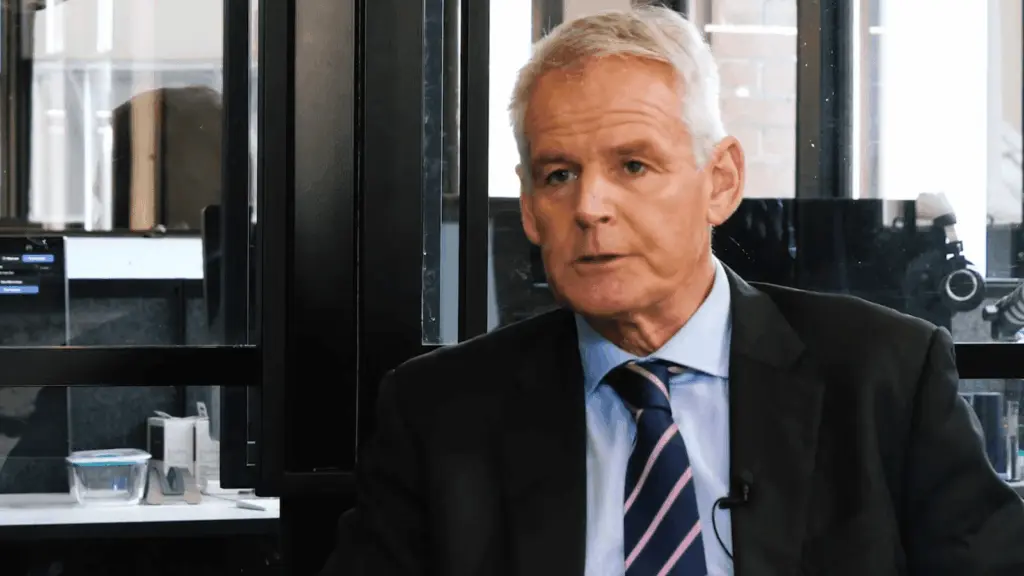
Atchison’s Kev Toohey says the rise of private assets is changing market structure, investor behaviour and the way portfolios need to be governed.



Atchison’s Kev Toohey says the rise of private assets is changing market structure, investor behaviour and the way portfolios need to be governed.

Private credit promises yield and diversification, but it also brings complexity, illiquidity and a growing manager universe. For KeyInvest and Atchison, the challenge is making that opportunity set more useable for advisers and retirement-focused investors.

Liquid alternatives can diversify portfolios while preserving liquidity. Mishan Dahia of Atchison says advisers must focus on the role each strategy plays in overall portfolio construction.

In a more volatile and fragmented world, disciplined asset allocation is becoming the primary driver of investment outcomes.

Portfolio risk modelling is a critical task of advice practices, and one in which ignoring a crucial ingredient – the integrity of asset-class correlations – can contaminate the picture without the adviser knowing it.

AI is now deeply embedded into society, and it represents the early stages of a long-term capital formation cycle, not a cyclical opportunity. However, a strong theme alone does not constitute a strong investment.

For much of modern portfolio history, the 60/40 mix of equities and bonds has been held up as the embodiment of diversification. Until 2022, when it failed. What’s next for investors?

Beware the risk of thinking about tech for tech’s sake, the Investment Leaders Forum New Zealand was told. Tech is about making sure your firm is structurally ready to serve your clients better, faster and more sustainably.

Focusing on benchmark-constrained strategies does not serve Australian fixed income investors well, argues a new white paper.

This asset class almost defies definition, running the gamut of private equity and credit to collectibles, commodities, hedge funds, and, most recently, NFTs and cryptocurrency. What has remained constant is its role – diversifying returns and managing risk.

Investors have a deep affinity with real estate, but how to classify it within a diversified portfolio is sometimes a dilemma.
Despite latent geopolitical threats and a persistently hobbled commercial real estate sector, the market presents a fundamentally strong and stable picture according to the Melbourne-based investment consultants.